

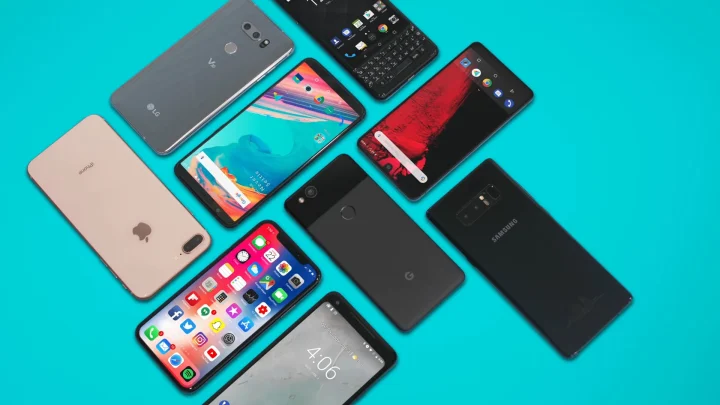
Buying a new smartphone in 2026 is both easier and harder than ever. Easier, because even a $300 phone now ships with a fast processor, a sharp 120Hz screen, and a camera that would have counted as flagship-grade a few years ago. Harder, because there are more brands, tiers, and buzzwords than ever, and every marketing page insists its phone is the one for you. This guide cuts through the noise: first we walk through the factors that actually matter, then we recommend the best phones at every budget right now.
How to choose the right smartphone in 2026
Before you look at any specific model, get clear on how you’ll actually use the phone. The right choice for a mobile photographer is different from the right choice for a heavy gamer or someone who just wants a reliable phone that lasts five years. Weigh the factors below in the order that matches your priorities.
1. Set your budget first
Phones fall into three broad tiers, and knowing your tier narrows the field instantly:
- Flagship ($800 and up): the best cameras, fastest chips, brightest displays, and the longest software support. Worth it if you keep your phone for years or want zero compromises.
- Midrange ($350–$700): the sweet spot for most people. You get fast day-to-day performance, a great screen, and a very good camera, giving up only a little polish at the edges.
- Budget (under $350): no longer painfully slow. Modern budget phones handle everyday apps, offer big batteries, and increasingly include 5G and 90–120Hz displays.
2. Android or iOS?
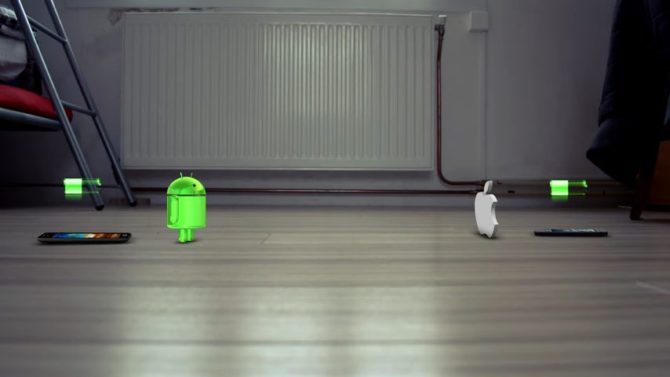
This is the biggest decision, because it shapes your apps, accessories, and habits for years. In 2026 the gap is smaller than ever, and both platforms now run AI models directly on the device.
- iOS 26 (iPhone): the most consistent, private, and long-supported experience. It pairs seamlessly with Macs, iPads, AirPods, and Apple Watch, and even older iPhones get major updates for five to six years.
- Android 16: far more choice and customization, expandable options at every price, and deep Google AI features. Pixel and Samsung phones now promise up to seven years of OS and security updates, closing the longevity gap with Apple.
If you’re already invested in one ecosystem, switching rarely pays off. If you’re starting fresh, choose iOS for simplicity and resale value, or Android for flexibility and value.
3. Processor and performance
The chip determines how long your phone stays fast. In 2026, look for Apple’s A19 series, Qualcomm’s Snapdragon 8 Elite/Gen 4, Google’s Tensor G5, or MediaTek’s Dimensity 9400 in premium phones. In the midrange, Snapdragon 7-series and Dimensity 7000/8000 chips are plenty for everything except the heaviest gaming. Pair the chip with at least 8GB of RAM (12GB+ if you want smooth on-device AI features).
4. Camera
Megapixels matter far less than sensor size, image processing, and lens versatility. A good phone camera in 2026 has a large main sensor, optical image stabilization, and at least an ultrawide lens; flagships add a dedicated telephoto for real optical zoom. Google Pixel and Apple lead on point-and-shoot consistency, Samsung on zoom range, and several Chinese brands on raw hardware. If photography is your priority, prioritize this over almost everything else.
5. Display
Aim for an OLED (AMOLED) panel with at least a 90Hz refresh rate; 120Hz is now standard even on many midrange phones and makes scrolling noticeably smoother. Check peak brightness too, at least 1,000 nits for comfortable outdoor use. Screen size is personal: 6.1–6.4 inches is easy one-handed, while 6.7 inches and up is better for media and multitasking.
6. Battery life and charging
A 5,000mAh battery has become the baseline and comfortably lasts a full day. Just as important is charging speed: many midrange and budget phones now charge from empty to full in under an hour, while iPhones and Pixels charge more slowly but support convenient wireless charging. If you travel or forget to charge overnight, prioritize fast wired charging.
7. Software updates and longevity
This is the factor buyers most often overlook, and it’s arguably the most important for value. A phone that receives five to seven years of updates stays secure and current far longer, effectively lowering its cost per year. Apple, Google Pixel, and Samsung lead here; check the update policy before you buy a cheaper brand, as some still offer only one or two years.
8. 5G, storage, and the essentials
5G is standard on almost every new phone, so it’s rarely a deciding factor. Start at 128GB of storage (256GB if you shoot lots of video), and remember that most flagships no longer offer a microSD slot. Other nice-to-haves worth checking: an in-display fingerprint sensor, an IP68 water-resistance rating, and stereo speakers.
The best smartphones to buy in 2026
Here are our current picks in each tier. Prices shift with sales, so use these as a shortlist rather than a fixed ranking.
Best flagship phones
- Apple iPhone 17 Pro Max — the most complete all-rounder: class-leading video, a superb telephoto, years of updates, and the best resale value.
- Samsung Galaxy S26 Ultra — the do-everything Android flagship, with a 200MP camera, the longest zoom range, a bright large display, and the built-in S Pen.
- Google Pixel 11 Pro — the best point-and-shoot camera and the smartest on-device AI, at a price that usually undercuts its rivals.
Best midrange phones
- OnePlus 15R — the best all-around value in the midrange, balancing performance, battery life, and price better than anything else.
- Samsung Galaxy S25 FE — takes most of what made the flagship Galaxy S25+ great and drops it into midrange territory, with Samsung’s long update commitment.
- Motorola Edge 60 Pro — near-flagship hardware, a clean interface, and a bright display for around $400.
Best budget phones
- Google Pixel 9a (~$400) — brings Google’s camera magic and AI to the budget segment, with the Tensor G5 chip and guaranteed updates into the early 2030s.
- Xiaomi Redmi Note 15 Pro (~$300) — remarkable specs for the money: a 108MP camera, a 120Hz AMOLED screen, and a big 5,000mAh battery with fast 67W charging.
When is the best time to buy a phone?
New models follow a predictable calendar, and prices on last year’s phones drop the moment a successor launches. If you’re not in a rush, timing your purchase around these windows can save you a lot:
- January–February: Samsung’s Galaxy S flagships launch, and new midrange phones appear at CES and MWC.
- Spring: budget and midrange releases from Google (the “a” series), Xiaomi, Motorola, and Nothing.
- September–October: Apple’s new iPhones and Google’s Pixel flagships arrive; last year’s models get discounted.
- Black Friday and Cyber Monday (late November): the single best time of year for phone deals, on both current and previous-generation models.
The smart move: buy the previous flagship right after the new one launches, or wait for the Black Friday window. You’ll get near-current hardware for a substantial discount.
FAQs
How much should I spend on a smartphone in 2026?
Most people are best served by a midrange phone in the 0–0 range, which delivers 90% of the flagship experience for half the price. Spend flagship money only if you want the very best camera and longest support, or drop to a 0 budget phone if you mainly browse, message, and stream.
Is it better to buy a new phone or last year’s flagship?
Last year’s flagship is usually the smarter buy. It typically costs 30–40% less than the newest model while still offering an excellent camera, a fast chip, and several more years of updates. The newest phone is only worth the premium if you specifically want its latest camera or AI features.
How long will a phone bought today last?
With Apple, Google Pixel, and Samsung now offering five to seven years of software updates, a phone bought in 2026 can realistically stay secure and useful until the early 2030s, provided the battery holds up (and batteries are often replaceable).
The bottom line
The best smartphone is the one that fits how you actually use it. Set your budget, pick your platform, and then prioritize the two or three factors that matter most to you, whether that’s camera, battery, or years of updates. Do that and you’ll end up with a phone you’re happy to keep for a long time, at a price that makes sense.




Share Your Thoughts