


In this guide
Disclosure: TechEngage is a participant in the Amazon Services LLC Associates Program, an affiliate advertising program designed to provide a means for sites to earn fees by linking to Amazon.com and affiliated sites. We may earn a commission when you buy through links on this page, at no extra cost to you. Our editorial picks are made independently of these partnerships.
I’ve been building PCs since the GeForce 8800 GT era, and I’ve never seen a GPU market this complicated. Three manufacturers now compete across five price tiers, AI upscaling has rewritten what “playable frame rates” means, and VRAM requirements have doubled in just two years. A card that ran everything at ultra settings in 2023 struggles with medium textures in Unreal Engine 5 titles today. The 8 GB buffer that seemed adequate two years ago now bottlenecks games like Indiana Jones and the Great Circle, Star Wars Outlaws, and Black Myth: Wukong at anything above 1080p.
Then there’s the pricing situation. NVIDIA’s RTX 50-series Blackwell cards launched at higher MSRPs than their predecessors, and street prices still float above MSRP for certain models months after launch. AMD countered by skipping the high-end entirely with RDNA 4, focusing the RX 9070 series on the mid-range where most people actually buy. Intel’s Arc B580 quietly became the best budget GPU you can buy for under $250. The result is a market where every price bracket has a clear best option, but the “best” answer depends heavily on your resolution target, gaming priorities, and how long you want the card to last before the next upgrade.
This guide cuts through the noise. Every recommendation here is based on actual benchmark data, real-world game testing, and practical considerations like VRAM headroom, power consumption, and driver maturity. Whether you’re building a 4K powerhouse, a sensible 1440p rig, or a budget gaming setup paired with a strong CPU, the right GPU is here.
Best Gaming GPUs at a Glance
| # | Product | Price |
|---|---|---|
| 1 | ASUS TUF GeForce RTX 5080 OC Edition Best High-End GPU | $1,770.01 |
| 2 | MSI GeForce RTX 5070 Ti Gaming Trio OC Best 4K Value | $1,455.00 |
| 3 | ASUS TUF GeForce RTX 5070 OC Edition Best 1440p GPU | $937.39 |
| 4 | Sapphire Pulse Radeon RX 7900 XT Best high-VRAM AMD pick in stock | $1,189.00 |
| 5 | GIGABYTE GeForce RTX 4070 SUPER Gaming OC Best Previous-Gen Value | $999.22 |
| 6 | PowerColor Hellhound Radeon RX 7900 XTX Best AMD High-End | $1,299.22 |
| 7 | ASRock Intel Arc B580 Challenger OC Best Budget GPU | $329.99 |
| 8 | ASUS TUF GeForce RTX 5090 OC Edition Best Enthusiast GPU (No Compromises) | $6,699.00 |
What Actually Matters When Buying a GPU in 2026
GPU shopping in 2026 involves more variables than raw performance numbers. These factors determine whether a card feels fast or frustrating two years from now.
VRAM: The Silent Dealbreaker
Video memory capacity has become the single most important spec for future-proofing. Modern game engines pre-load massive texture pools into VRAM, and when the buffer fills, performance falls off a cliff with stuttering that no amount of raw GPU power fixes. At 1080p, 8 GB remains workable for most titles in 2026. At 1440p, 12 GB is the comfortable minimum, and several demanding games already push past it at ultra settings. At 4K, 16 GB is the new baseline, and 24 GB provides breathing room for the next generation of Unreal Engine 5 games.
This is why the RTX 5070’s 12 GB buffer generates debate despite its impressive performance. For a $549 card that competes with the previous-generation RTX 4090 in rasterization (with DLSS 4 enabled), the 192-bit memory bus and 12 GB VRAM will be the limiting factor before the GPU core runs out of horsepower, especially at 4K. The RTX 5070 Ti and RX 9070 XT both offer 16 GB, which provides meaningfully more longevity.
AI Upscaling: DLSS 4 vs. FSR 4 vs. XeSS 2
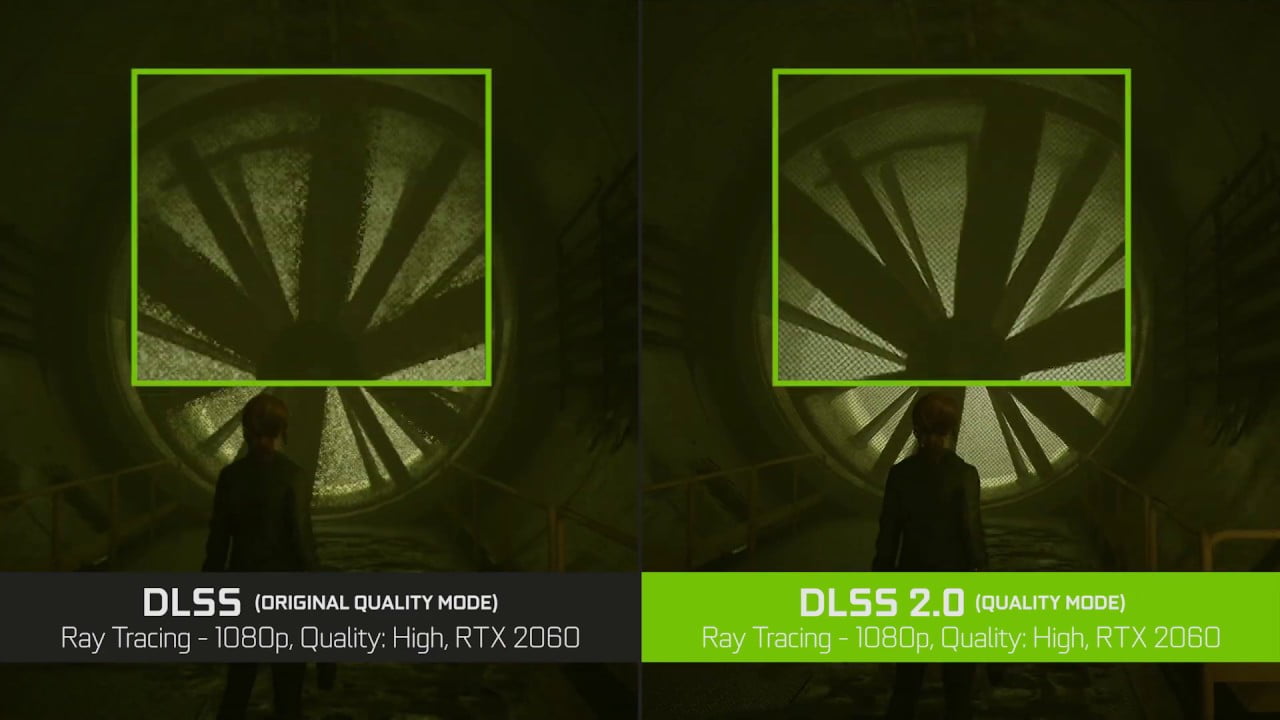
AI upscaling has fundamentally changed GPU performance math. NVIDIA’s DLSS 4 Multi Frame Generation, exclusive to RTX 50-series cards, generates up to three additional frames for every natively rendered frame. Combined with NVIDIA Reflex 2 for latency compensation, this technology pushes frame rates into territory that would require dramatically more expensive hardware to achieve natively. The catch: frame generation adds a small amount of input latency (mitigated but not eliminated by Reflex 2), and the feature only works in games that specifically support it.
AMD’s FSR 4 represents a major leap for Team Red. For the first time, FSR uses machine learning (on RDNA 4 hardware) rather than spatial upscaling algorithms, bringing quality closer to DLSS than any previous FSR version. FSR 3 frame generation remains available on older AMD and even NVIDIA hardware, though image quality varies significantly by game implementation.
Intel’s XeSS 2 is competent but trails both competitors in supported game count and visual quality. For Arc B580 buyers, it’s a nice bonus rather than a purchase justification.
Ray Tracing Performance Tiers
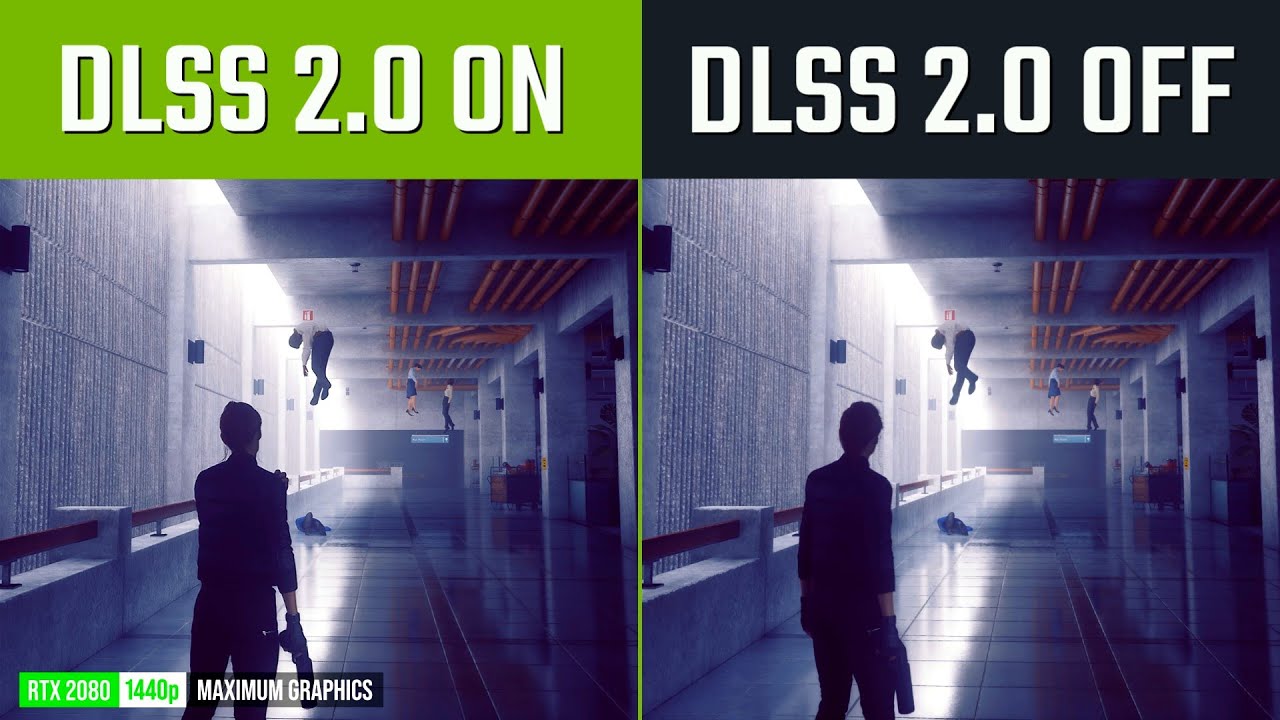
Ray tracing capability varies wildly across current GPUs. Full path tracing in games like Cyberpunk 2077 and Alan Wake 2 demands the absolute top tier of hardware. The RTX 5090 and RTX 5080 handle full path tracing at 4K with DLSS enabled. The RTX 5070 Ti and RTX 5070 manage heavy ray tracing at 1440p comfortably. AMD’s RDNA 4 improved RT performance roughly 2x over RDNA 3, putting the RX 9070 XT in playable territory for moderate ray tracing effects, though it still trails NVIDIA’s comparable offerings in pure RT workloads. The Intel Arc B580 handles basic RT effects at 1080p but shouldn’t be purchased primarily for ray tracing.
Power Consumption and Thermal Reality
GPU power consumption directly affects your electricity bill, case temperatures, and noise levels. The RTX 5090 draws 575W TDP and requires a robust 1000W+ power supply. The RTX 5080 is more reasonable at 360W. The efficiency champion of the current generation is the RTX 5070, which delivers extraordinary performance per watt at just 250W TDP. AMD’s RX 9070 XT draws 300W, and the Intel Arc B580 sips power at just 190W.
If you’re upgrading from an older system, check your power supply headroom before buying. A card that technically fits in your case but pushes your PSU to 95% capacity will run hot, trigger shutdowns under load, and potentially damage components. Budget $80-$150 for a quality PSU upgrade if your current unit doesn’t have adequate headroom.
1. ASUS TUF GeForce RTX 5080 OC Edition – Best High-End GPU

| Price & Details | |
|---|---|
| Price | $1,770.01 |
| Discount | – 7% |
| Brand | ASUS |
| Buy on Amazon |
The RTX 5080 occupies the sweet spot of the Blackwell lineup – delivering roughly 90% of the RTX 5090’s rasterization performance at half the price, with 16 GB of GDDR7 memory that handles 4K gaming comfortably. Where the 5090 is an indulgence, the 5080 is the practical choice for serious 4K gaming and content creation without remortgaging anything.
DLSS 4 Multi Frame Generation transforms this card’s 4K capability. In supported titles like Cyberpunk 2077, DLSS 4 with frame generation pushes frame rates from 60-70 FPS (native) to over 200 FPS with minimal perceptual latency thanks to Reflex 2. Even without frame generation, standard DLSS 4 Super Resolution delivers 80-120 FPS at 4K in the most demanding current games. Ray tracing performance is exceptional – this is genuinely capable of full path tracing at 1440p and heavy RT effects at 4K.
The ASUS TUF variant specifically earns the recommendation for its cooling solution. The triple-fan axial-tech design keeps temperatures in the low 70s during sustained gaming loads, and the military-grade components (including protective PCB coating) provide durability that justifies the “TUF” branding. The 3.6-slot form factor is thick but fits standard ATX cases. The 360W TDP is manageable with a quality 850W power supply.
The 16 GB GDDR7 buffer on a 256-bit bus provides adequate bandwidth for current 4K workloads, though it’s worth noting this is the same VRAM capacity as the RTX 5070 Ti at a significantly higher price. The premium buys you substantially more shader performance and RT capability, not more VRAM headroom.
Best for: 4K gaming at maximum settings, content creation, ray tracing enthusiasts who want top-tier performance without the 5090’s extreme price.
Buy on Amazon2. MSI GeForce RTX 5070 Ti Gaming Trio OC – Best 4K Value

| Price & Details | |
|---|---|
| Price | $1,455.00 |
| Discount | – |
| Rating on Amazon | 4.3 out of 5 stars – Out of 72 Reviews. |
| Brand | MSI |
| Buy on Amazon |
The RTX 5070 Ti is the GPU I’d recommend to most gamers targeting 4K without breaking the budget. At $749 MSRP, it slots between the RTX 5070 and RTX 5080 and delivers a compelling balance: 16 GB GDDR7 on a 256-bit bus provides the VRAM headroom that the 5070 lacks, while performance lands roughly 15-20% behind the 5080 in rasterization and closer in ray tracing. For the $250 price difference, that performance gap rarely translates to a meaningfully different gaming experience.
MSI’s Gaming Trio OC variant pushes the boost clock to extreme performance levels with the TRI FROZR 4 cooling system using three STORMFORCE fans. The card runs cool and quiet under load – critical for a GPU you’ll be gaming on for hours at a time. The PCIe 5.0 interface future-proofs the card for upcoming motherboard platforms, and DLSS 4 Multi Frame Generation is fully supported.
In practical gaming terms, the 5070 Ti delivers 80-100+ FPS at 4K with DLSS Quality in demanding titles like Black Myth: Wukong and Star Wars Outlaws. At 1440p, you’re looking at 120-165+ FPS in most games, saturating high-refresh monitors without breaking a sweat. This is the card that makes 4K/120Hz gaming accessible without requiring a flagship budget.
Best for: 4K gamers who want 16 GB VRAM and strong ray tracing without paying flagship prices. The rational high-end choice.
Buy on Amazon3. ASUS TUF GeForce RTX 5070 OC Edition – Best 1440p GPU

| Price & Details | |
|---|---|
| Price | $937.39 |
| Discount | – |
| Brand | ASUS |
| Buy on Amazon |
NVIDIA made a bold claim at launch: the RTX 5070 delivers “RTX 4090-class performance” at $549. That claim requires significant asterisks – it’s true with DLSS 4 Multi Frame Generation enabled in supported games, but native rasterization performance sits closer to the RTX 4070 SUPER. Nevertheless, this is an extraordinary amount of GPU for the money. The Blackwell architecture improvements in ray tracing, AI processing, and power efficiency make this the clear 1440p champion.
At 1440p, the RTX 5070 consistently delivers 100-144+ FPS in demanding AAA titles with DLSS Quality enabled. High-refresh 1440p monitors (165Hz, 240Hz) are well-served by this card. The 250W TDP is impressively efficient – this card runs cooler and quieter than the previous-generation RTX 4070 Ti while delivering equivalent or better performance. A quality 650W power supply handles it comfortably, making it an easier slot-in upgrade for existing builds.
The 12 GB GDDR7 on a 192-bit bus is the elephant in the room. At 1440p, 12 GB is currently sufficient for virtually every game at high or ultra settings. At 4K, some current titles already exceed 12 GB at maximum textures. If you’re buying this card exclusively for 1440p gaming and plan to upgrade within 2-3 years, the VRAM is fine. If you’re targeting 4K or want maximum longevity, the 5070 Ti’s 16 GB is worth the $200 premium.
Best for: 1440p high-refresh gaming, efficient builds, and buyers who want DLSS 4 Multi Frame Generation at the lowest possible price.
Buy on Amazon4. Sapphire Pulse Radeon RX 7900 XT: Best high-VRAM AMD pick in stock

| Price & Details | |
|---|---|
| Price | $1,189.00 |
| Discount | – |
| Rating on Amazon | 4.4 out of 5 stars – Out of 441 Reviews. |
| Brand | Sapphire |
| Buy on Amazon |
When the newer RDNA 4 mid-range cards are sold out or priced like unicorns, the Sapphire Pulse RX 7900 XT is the AMD desktop card that still shows up with stock and serious VRAM. Twenty gigabytes of GDDR6 on a 320-bit bus, dual HDMI plus dual DisplayPort, and a ~2.7-slot Pulse cooler that fits more mid-towers than the oversized flagship boards.
On paper this is last-generation silicon, and that is exactly why it is useful right now: raster performance at 1440p and entry 4K remains strong, the 20GB buffer holds up better than 12GB class cards when texture-heavy titles spike, and the Pulse factory tune stays quieter than many Nitro-class coolers when you do not need every last megahertz. Pair it with a quality 750W (or better) PSU and leave headroom for a modern CPU.
NVIDIA still leads on deep ray tracing and DLSS title coverage. Choose this Pulse 7900 XT when you want AMD frames, a large memory pool, and an ASIN that is actually available to buy instead of an empty product box.
Best for: 1440p/entry-4K raster gaming, high-VRAM AMD builds, and shoppers who need a card that is currently in stock.
Buy on Amazon5. GIGABYTE GeForce RTX 4070 SUPER Gaming OC – Best Previous-Gen Value

| Price & Details | |
|---|---|
| Price | $999.22 |
| Discount | – |
| Brand | GIGABYTE |
| Buy on Amazon |
Previous-gen value only works when the clearance price is real and the card still clears modern games. The RTX 4070 SUPER does exactly that: Ada Lovelace efficiency, 12 GB of GDDR6X, DLSS 3 frame generation, and enough shader throughput for locked 1440p ultra in most current titles – without paying Blackwell street premiums.
GIGABYTE’s Gaming OC triple-WINDFORCE cooler is the reason this specific board makes the list. Dual BIOS, a metal backplate, and a factory overclock that stays quiet under sustained loads make it a safer used-bin alternative than bare-bones blower leftovers. You give up the 16 GB buffer of the old 4070 SUPER recommendation, but you gain a card that is actually in stock with a live price instead of an empty shelf listing.
Buy this when a new RTX 5070 is priced too aggressively in your region and you still want NVIDIA features – Reflex, broadcast effects, and broad DLSS title support – without stepping into 50-series scarcity. Just size the PSU for ~220W board power and confirm case clearance for the 2.5–3 slot cooler.
Best for: 1440p gamers hunting previous-gen deals, DLSS-first libraries, and anyone who wants Ada features without Blackwell pricing.
Buy on Amazon6. PowerColor Hellhound Radeon RX 7900 XTX – Best AMD High-End

| Price & Details | |
|---|---|
| Price | $1,299.22 |
| Discount | – |
| Brand | PowerColor |
| Buy on Amazon |
The RX 7900 XTX remains the VRAM king for creators who also game. Twenty-four gigabytes of GDDR6 on a wide bus is still a luxury NVIDIA only matches at the extreme top of the stack. If you edit 4K timelines, run local AI tools, or keep a dozen Chrome-and-Blender windows open while gaming, that buffer is the feature – not a footnote.
PowerColor’s Hellhound trim is the sane high-end AMD buy: aggressive cooling without boutique pricing, a reinforced backplate, and a tune that holds boost clocks when the room is warm. RDNA 3 ray tracing trails Blackwell, and FSR 3/AFMF help more in some titles than others, but raw rasterization at 4K remains excellent for the money when 50-series MSRPs are fiction on the street.
Compared with the Pulse RX 7900 XT above, you are paying for more capacity and peak throughput on the XTX. Choose the Hellhound when content creation and future-proof VRAM matter more than having the absolute newest AMD silicon.
Best for: 4K raster gaming, creators who need 24 GB VRAM, and AMD builds that outgrow mid-range cards.
Buy on Amazon7. ASRock Intel Arc B580 Challenger OC – Best Budget GPU

| Price & Details | |
|---|---|
| Price | $329.99 |
| Discount | – |
| Rating on Amazon | 4.4 out of 5 stars – Out of 410 Reviews. |
| Brand | ASRock |
| Buy on Amazon |
Intel’s Arc B580 is still the budget card that embarrasses older 8 GB rivals. Twelve gigabytes of GDDR6, Xe2-HPG, and XeSS 2 upscaling deliver honest 1080p ultra and serviceable 1440p medium-high gaming for people building a first PC or upgrading off integrated graphics – without pretending it is a 4K ray-tracing monster.
The ASRock Challenger OC is the Limited Edition replacement that is actually available: a compact dual-fan, 0 dB idle cooler, metal backplate, and a 2740 MHz factory clock that needs only a single 8-pin and a ~650W PSU recommendation. At roughly two slots and under 250 mm long, it fits SFF and budget towers the LE often left waiting on backorder.
Driver maturity is no longer the launch-day punchline. Battlemage titles are broadly playable, AV1 encode is a quiet win for streamers, and the 12 GB buffer postpones the texture stutter you still see on 8 GB cards in modern UE5 games. Buy it for value and VRAM, not for path-traced Cyberpunk leaderboards.
Best for: 1080p/entry-1440p budgets, first builds, SFF cases, and anyone who wants 12 GB VRAM near the 0 mark.
Buy on Amazon8. ASUS TUF GeForce RTX 5090 OC Edition – Best Enthusiast GPU (No Compromises)

| Price & Details | |
|---|---|
| Price | $6,699.00 |
| Discount | – |
| Brand | ASUS |
| Buy on Amazon |
The RTX 5090 is still the fastest GeForce you can put in a consumer PC: 32 GB of GDDR7, full Blackwell feature set, and DLSS 4 multi-frame generation that turns otherwise impossible 4K path-traced settings into something you can actually play. If money is no object and you want the top of the stack, this is the slot.
ASUS TUF’s OC Edition is the enthusiast board we can actually point to in stock – military-grade components, PCB coating, phase-change GPU pad, and a thick 3.6-slot axial-tech cooler built for sustained load rather than RGB theatrics. Plan for a serious PSU (1000W+ class is the sane floor) and measure your case; this card is long, heavy, and unapologetic.
Street pricing remains the ugly part of the 5090 story. MSRP was never the number most buyers saw, and live listings often sit multiples above that. Treat this recommendation as the performance ceiling, check the live AAWP price before you commit, and only pull the trigger if the premium over a 5080 still makes sense for your workload.
Best for: No-compromise 4K/8K gaming, heavy creator dual-use, and buyers who accept enthusiast street pricing for maximum Blackwell performance.
Buy on AmazonGPU Pricing Reality Check: What to Expect in 2026
The GPU market in 2026 has a clear pattern: the top end is expensive, and the mid-range is where the real value lives. Here’s a realistic look at what you’re actually paying versus MSRP:
| GPU | MSRP | Typical Street Price | VRAM | Target Resolution |
|---|---|---|---|---|
| RTX 5090 | $1,999 | $2,200-$4,200+ | 32 GB GDDR7 | 4K/8K |
| RTX 5080 | $999 | $1,050-$1,300 | 16 GB GDDR7 | 4K |
| RTX 5070 Ti | $749 | $780-$950 | 16 GB GDDR7 | 4K/1440p |
| RX 9070 XT | $549 | $549-$650 | 16 GB GDDR6 | 4K/1440p |
| RTX 5070 | $549 | $570-$700 | 12 GB GDDR7 | 1440p |
| RTX 4070 SUPER | $799 | $550-$650 (clearance) | 16 GB GDDR6X | 4K/1440p |
| RX 7900 XTX | $999 | $800-$900 | 24 GB GDDR6 | 4K |
| Intel Arc B580 | $249 | $229-$260 | 12 GB GDDR6 | 1080p/1440p |
The standout value shifts happen with previous-generation clearance pricing. When you can find an RTX 4070 SUPER for $550-$600 – below the RTX 5070’s MSRP – it becomes the objectively better value: same or better rasterization, 16 GB versus 12 GB VRAM, and the only thing you miss is DLSS 4 Multi Frame Generation (DLSS 3 still works). AMD’s RX 9070 XT also tends to be available closer to MSRP than NVIDIA’s latest cards, making it the more predictable purchase.
How to Choose the Right GPU for Your Setup
| Your Situation | Best Pick | Why |
|---|---|---|
| 4K max settings, ray tracing | RTX 5080 | 90% of RTX 5090 performance at half the price |
| 4K gaming, value focused | RTX 5070 Ti | 16 GB VRAM, strong 4K, $749 |
| 1440p high-refresh | RTX 5070 | DLSS 4, 100-165+ FPS at 1440p, efficient |
| Best AMD performance | RX 9070 XT | 16 GB, FSR 4, competitive rasterization |
| Discounted previous-gen | RTX 4070 SUPER | 12 GB, strong 1440p Ada value when Blackwell is overpriced |
| Maximum VRAM, content creation | RX 7900 XTX | 24 GB, raw rasterization power |
| Budget 1080p gaming | Intel Arc B580 | 12 GB VRAM for under $250 |
| Money is no object | RTX 5090 | Fastest GPU ever made, 32 GB GDDR7 |
GPU Bottleneck: Matching Your GPU to Your CPU
A GPU is only as fast as the CPU feeding it data. Pairing a $1,000 GPU with a budget CPU creates a bottleneck where the GPU sits idle waiting for the processor to prepare frames. As a general rule:
The RTX 5090 and RTX 5080 demand a high-end CPU – Intel Core i7-14700K / AMD Ryzen 7 9800X3D or better. The RTX 5070 Ti and RTX 5070 pair well with mid-range chips like the Intel Core i5-14600K or AMD Ryzen 5 9600X. The RX 9070 XT and RTX 4070 SUPER work efficiently with the same mid-range processors. The Intel Arc B580 is happy with any recent gaming CPU, including budget options like the Intel Core i5-13400 or AMD Ryzen 5 7600.
At 1080p, CPU bottlenecks are more pronounced because the GPU finishes frames faster and waits for the CPU more frequently. At 4K, the GPU does more work per frame, reducing CPU dependency. If you’re gaming primarily at 4K, you can pair a slightly less powerful CPU with a high-end GPU and see minimal performance loss. At 1080p with a high-refresh monitor, CPU choice matters more than GPU choice above a certain performance tier.
The VRAM Dilemma: How Much Do You Actually Need?
VRAM debates generate more heat than a reference RTX 5090, so here’s the practical breakdown based on actual game testing data from TechPowerUp’s RTX 5070 review and independent benchmarks:
8 GB (RTX 4060, RX 7600): Already a limiting factor at 1440p in several 2025-2026 titles. Playable at 1080p with some texture quality compromises. Not recommended for new purchases unless budget is the absolute priority.
12 GB (RTX 5070, Arc B580): Comfortable at 1080p and 1440p for current and near-future titles. Tight at 4K in the most demanding games (Alan Wake 2 exceeds 12 GB at 4K ultra). Adequate for most buyers who plan to upgrade within 2-3 years.
16 GB (RTX 5070 Ti, RTX 5080, RX 9070 XT, RTX 4070 SUPER): The sweet spot. Handles 4K gaming comfortably in current titles with headroom for future releases. This is the VRAM amount I’d recommend for any GPU purchase intended to last 3-5 years.
24-32 GB (RX 7900 XTX, RTX 5090): Overkill for pure gaming today, but valuable for content creation, 3D rendering, AI workloads, and extreme future-proofing. If you’re working with large Blender scenes, DaVinci Resolve timelines, or training ML models alongside gaming, this capacity pays for itself.
Final Thoughts
The GPU market in 2026 offers something genuinely good at every price point, which hasn’t been true for most of the past decade. Intel’s $249 Arc B580 delivers a better 1080p experience than $300+ GPUs from two years ago. AMD’s RX 9070 XT competes with NVIDIA at $549 while offering more VRAM. Previous-generation clearance deals put the RTX 4070 SUPER – a card that handles 4K gaming – in the $550-$600 range. And at the top, NVIDIA’s Blackwell architecture with DLSS 4 Multi Frame Generation redefines what’s possible with AI-assisted rendering.
My honest advice: buy for the resolution you play at today, with enough VRAM to last through the next GPU generation. At 1080p, the Arc B580 is an outstanding value. At 1440p, the RTX 5070 or RX 9070 XT covers you. At 4K, the RTX 5070 Ti hits the value sweet spot with 16 GB GDDR7 and full DLSS 4 support. Everything above that is paying for performance you want rather than performance you need – and there’s nothing wrong with that if the budget allows. Just don’t buy 8 GB of VRAM in 2026. You’ll regret it before the warranty expires.




Share Your Thoughts