

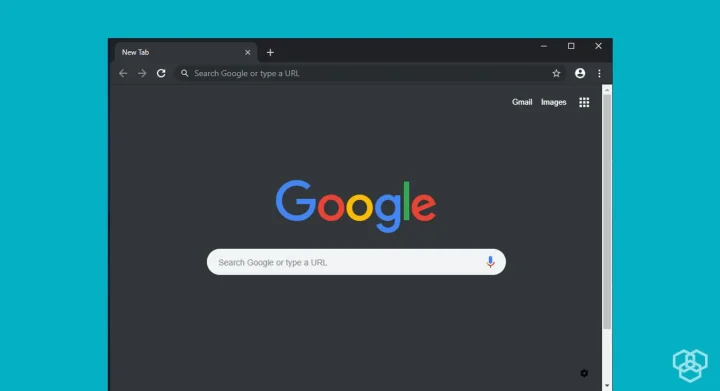
There was a time when getting dark mode into Chrome on Windows meant editing a desktop shortcut and hoping Google shipped the real thing soon. That era is over. Chrome now has a proper dark mode built into its settings, it can follow your Windows theme automatically, and it can even force dark styling onto websites that don’t offer their own.
Here’s every method that works on Windows 11 and Windows 10 in 2026 — starting with the one-minute version, then the options for people who want every last pixel dark.
The quick answer
Open Chrome, go to Settings → Appearance, and under Mode choose Dark. That’s it — no flags, no shortcut editing, no restart. Choose Device instead if you’d rather Chrome follow whatever Windows is doing.
That covers Chrome’s own interface: tabs, toolbar, menus, settings pages and the new tab page. Websites are a separate problem, and there’s a section on those below.
Method 1: Chrome’s Appearance setting (recommended)
Chrome’s built-in dark mode, in four taps:
Total Time: 1 minute
Open Chrome and click the three-dot menu in the top-right corner
Select Settings
Click Appearance in the left-hand sidebar
Under Mode, choose Dark (or Device to follow your Windows theme)
The change applies instantly and syncs to your other signed-in Chrome installations if you have profile sync switched on. You can also type chrome://settings/appearance straight into the address bar to skip the menu.
Method 2: The Customize Chrome side panel
The same control lives on the new tab page, alongside wallpapers and colour themes:
- Open a new tab.
- Click Customize Chrome in the bottom-right corner.
- Pick Dark, or enable Follow device colors to mirror Windows.
Use this route if you also want to set a background image or a coloured theme — it’s the same setting exposed in a more visual way, and it’s worth knowing about because a custom colour theme applied here can override what you chose under Appearance.
Method 3: Turn on dark mode across all of Windows
If Chrome is set to Device, the Windows theme drives it — and every other app follows too.
Windows 11
- Open Settings (Windows key + I).
- Go to Personalization → Colors.
- Under Choose your mode, select Dark.
Choosing Custom instead gives you two separate dropdowns — one for Windows itself (taskbar, Start menu) and one for apps. Setting Windows mode to Light and app mode to Dark is a popular combination: a light taskbar with dark app windows.
Windows 10
- Open Settings → Personalization → Colors.
- Under Choose your color, select Dark.
Windows 10 no longer receives feature updates, but the setting is unchanged and Chrome still respects it. If you’re keeping a Windows 10 machine going, our guide to speeding up Windows 10 is worth a read alongside this one.
Making websites dark, not just the browser
This is the part that trips people up. Chrome’s dark mode darkens Chrome. A website that only ships a light stylesheet will still blast white at you.
Well-built sites already handle this — they read the prefers-color-scheme signal your browser sends and switch themselves to a dark palette automatically. Once Chrome is in dark mode, those sites follow with no further action from you. For everything else, there are two options.
Option A: Chrome’s Auto Dark Mode flag
- Type
chrome://flags/#enable-force-darkinto the address bar and press Enter. - Find Auto Dark Mode for Web Contents.
- Change the dropdown from Default to Enabled — or, better, to Enabled with selective image inversion.
- Click Relaunch at the bottom of the page.
Chrome then applies a filter-based algorithm to every page: backgrounds get darkened, text contrast is adjusted, and light surfaces are converted to darker equivalents. The “selective image inversion” variant is the one most people prefer because it leaves photos and logos alone instead of turning them into negatives. The flag is available on Windows, macOS, Linux, ChromeOS and Android — but not iOS.
Two honest caveats. First, results are inconsistent: sites with gradients, transparency or image-based text often look wrong, and there’s no per-site exception list built in. Second, chrome://flags is a bucket of unfinished experiments — Google removes entries without warning, so a flag that works today can quietly vanish in a future Chrome release.
Option B: A dark mode extension
Extensions such as Dark Reader do the same job with far more control — per-site toggles, brightness and contrast sliders, and the ability to whitelist sites that already have a good dark theme. The trade-off is the usual one for any extension that reads every page you visit: it needs broad permissions, so install it from the Chrome Web Store and check the reviews and publisher before you do. It also adds a small rendering cost on heavy pages.
For most people the flag is enough. If you spend all day in a browser, the extension is the better tool.
The old shortcut trick — and when it’s still useful
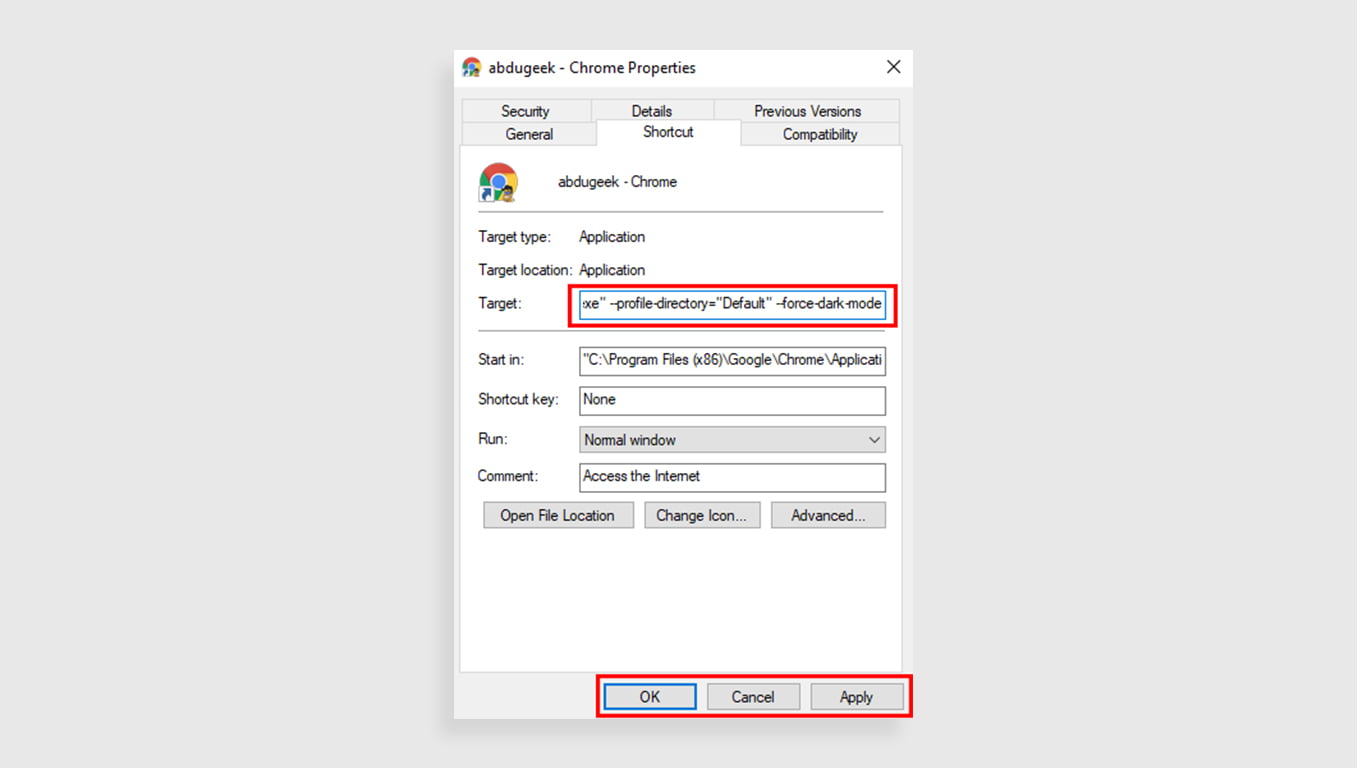
--force-dark-mode to the Chrome shortcut’s Target field.Before Chrome had a Mode setting, the workaround was to right-click the Chrome desktop shortcut, open Properties, and append --force-dark-mode to the Target field after the closing quote. Launching Chrome from that specific shortcut gave you a dark interface; launching it from the taskbar or Start menu did not.
The switch still exists, and it’s genuinely handy in one situation: forcing dark mode on a managed or shared machine where you want a specific launcher to open dark without changing the profile setting for everyone. For a normal personal PC there is no reason to use it now — the Appearance setting does the same thing properly, everywhere Chrome launches from.
Dark mode for Google Search, Gmail and Chrome on your phone
- Google Search: run a search, open Settings → Appearance, and choose Dark theme. It’s a separate setting from the browser’s, tied to your Google account.
- Gmail: click the gear icon → See all settings → Themes, and pick the dark theme.
- Chrome on Android: three-dot menu → Settings → Theme → Dark. The same Auto Dark Mode flag works here too.
- Chrome on iOS: follows the system appearance set in iOS Settings → Display & Brightness. There’s no independent Chrome toggle, and the web contents flag isn’t available.
The same pattern applies across most apps — Messenger, Slack, YouTube, Reddit and the rest each keep their own theme setting independent of the browser.
Troubleshooting a half-dark Chrome
- Toolbar is dark but the new tab page is white. A custom theme or colour is overriding the mode. Open Customize Chrome and reset to the default or a dark colour.
- One profile is dark, another isn’t. The setting is per profile, not per installation. Set it separately in each, or turn on sync.
- Chrome ignores Windows dark mode. Mode is probably pinned to Light. Set it to Device under Appearance.
- Incognito is always dark. That’s by design and not a setting you can change.
- The Mode option isn’t there at all. Chrome is out of date, or a workplace policy is managing appearance. Check
chrome://settings/helpfor an update first, andchrome://policyfor a managed override.
Does dark mode actually save battery?
On OLED and AMOLED panels, yes — Google’s own research confirmed dark themes reduce power draw, because black pixels on those displays are simply switched off. On a traditional LCD laptop or monitor, the backlight is always on regardless of what’s displayed, so the saving is negligible.
The stronger argument for dark mode on a desktop is comfort rather than power: less glare in a dim room, and less of a jolt when you switch between a dark editor and a browser. Eye-strain claims are more contested than they’re usually presented — some people read light-on-dark comfortably, others find it harder. Use whichever you actually prefer.
FAQs
Does Chrome have a built-in dark mode on Windows now?
Yes. Settings → Appearance → Mode offers Light, Dark and Device. No flags or shortcut edits are required.
Why are websites still white after I enable dark mode?
Chrome’s dark mode only styles Chrome. Sites that support dark themes will switch automatically; the rest need the Auto Dark Mode flag or an extension like Dark Reader.
Is the –force-dark-mode flag still needed?
No. It still works, but the Appearance setting replaced it and applies no matter how Chrome is launched. The shortcut trick is now only useful on shared or managed machines.
Will dark mode sync across my devices?
The Chrome appearance preference syncs with your signed-in profile when Chrome sync is enabled. The chrome://flags setting does not — you’ll need to enable Auto Dark Mode separately on each device.
Can I schedule dark mode by time of day?
Not inside Chrome. Set Chrome’s Mode to Device and schedule the switch at the Windows level, or use Night light under Settings → System → Display for a warmer screen after dark.
Is dark mode safe for my eyes?
It reduces glare in low light, which is a genuine comfort benefit. Whether it reduces eye strain overall depends on the person and the lighting — it’s a preference, not a medical fix.
In short
One setting does almost everything: Settings → Appearance → Mode → Dark. Pick Device if you’d rather Windows decide. Then, if the white pages themselves are what bother you, add the Auto Dark Mode flag or Dark Reader on top. The 2019 shortcut hack that this page originally documented has been comprehensively obsoleted — which is exactly how it should have ended.




when I enabled it, it didn’t look like the picture on this article, which is more how it looks in incognito mode. instead, it looked unfinished. the top bar was the color for my windows theme, but the close, and maximize buttons were blocky and dark. there was also a white outline around the tabs. seems like awkward aesthetic choices on both accounts. personally, I would rather have the theme from the incognito mode. it’s more subtle and blends better with the UI. It’s nice to have the option, like if I wanted the title bar to be the windows theme or not, or make the close button red, but if the goal is a dark mode, the incognito theme seems to be the best version for chrome. personally, I just use a theme for chrome that emulates that called “Material Incognito Dark Theme”
Dark mode is still unofficial in Chrome for Windows. We can expect a more refined dark mode in the next updates. I also use third party extension for dark mode, but for those who don’t wanna use an extension, this is a great hack.
Is dark mode now official or not yet ?
Dark mode is now officially available for Google Chrome on Android, iOS, macOS, and Windows.
More ‘Dark mode’ guides: https://techengage.com/tag/dark-mode/