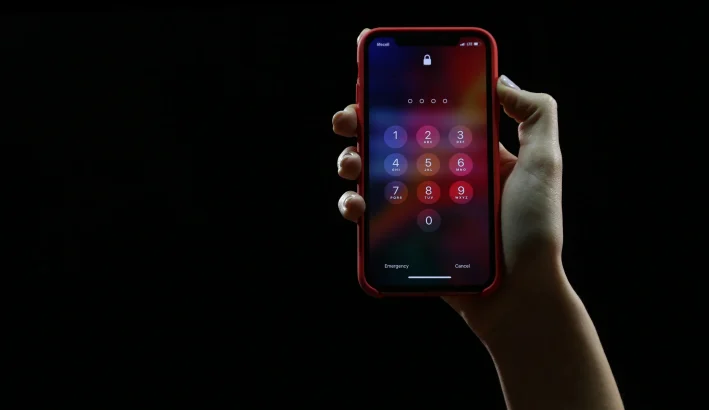
Your phone knows more about you than your closest friends do. Banking credentials, private messages, medical records, location history, photos you would never share publicly — all of it sits behind a lock screen that a determined attacker can bypass in minutes with the right tools. Android devices face the most direct malware threats because the platform allows sideloading and has a more fragmented update ecosystem, but iPhones are far from immune to phishing, network attacks, and data theft.
The security app landscape has evolved well beyond basic antivirus scanning. The strongest apps now bundle real-time threat detection with VPN protection, dark web monitoring for your personal data, identity theft alerts, and anti-theft features that can locate, lock, or wipe a stolen device remotely. Independent testing labs like AV-TEST regularly evaluate mobile security apps, and the gap between top-tier and mediocre options is widening.
I evaluated over 20 security apps based on independent lab scores, real-world feature sets, privacy policies, battery impact, and value for money. These 10 are the ones worth installing — organized by what they do best so you can find the right fit without wading through marketing noise.
Quick Comparison: Best Security Apps
| App | Best For | Platforms | Free Tier | Starting Price |
|---|---|---|---|---|
| Bitdefender Mobile Security | Overall protection | Android, iOS | Limited | $14.99/year |
| Norton 360 | All-in-one security suite | Android, iOS | No | $49.99/year (multi-device) |
| Kaspersky Plus | Malware detection accuracy | Android, iOS | Yes (basic) | $34.99/year |
| Malwarebytes | Lightweight malware removal | Android, iOS | Yes (scan only) | $44.99/year |
| Avast One | Free comprehensive protection | Android, iOS | Yes (generous) | $35.88/year |
| McAfee Mobile Security | Identity theft protection | Android, iOS | Limited | $39.99/year |
| ESET Mobile Security | Low battery impact | Android | Yes (30-day trial) | $14.99/year |
| Lookout | Anti-theft and device tracking | Android, iOS | Yes (basic) | $29.99/year |
| Trend Micro Mobile Security | Web protection and safe browsing | Android, iOS | Limited | $29.95/year |
| Google Play Protect / Apple Security | Built-in baseline protection | Android / iOS | Yes (built-in) | Free |
1. Bitdefender Mobile Security — Best Overall Protection
Bitdefender has earned perfect or near-perfect scores from AV-TEST for mobile protection consistently over the past several years. The Android version includes real-time malware scanning, web protection that blocks phishing sites before they load, an app anomaly detector that flags suspicious behavior from installed apps, and a built-in VPN with 200 MB of free daily traffic.
What separates Bitdefender from the pack is how little it demands from your phone. The app runs its scans during idle time and uses minimal battery — a stark contrast to some competitors that drain 10-15% of battery life daily. The Autopilot feature handles most security decisions automatically without constant notifications asking you to approve every action, which means you can install it and largely forget about it while it works.
The iOS version is slimmer by necessity (Apple restricts what security apps can do), but it still provides web protection, a VPN, and account privacy checks that scan whether your email addresses have appeared in known data breaches. At $14.99 per year for a single device, it costs less than a single month of most streaming services.
Key features: Real-time malware scanning, web protection, app anomaly detection, VPN (200 MB/day free), account privacy check, anti-theft (Android), minimal battery drain
2. Norton 360 — Best All-in-One Security Suite
Norton 360 is the kitchen-sink approach to mobile security, and it executes that approach better than anyone. A single subscription covers malware protection, unlimited VPN, dark web monitoring for your personal information (SSN, email, phone numbers, credit cards), a password manager, and up to 50 GB of cloud backup for your device. The mobile app integrates with Norton’s broader ecosystem, so the same subscription can protect your phone, tablet, laptop, and desktop.
The malware detection engine maintains a 100% detection rate in independent testing — a benchmark Norton has hit repeatedly in AV-TEST evaluations. The Wi-Fi Security feature automatically checks every network you connect to for vulnerabilities and man-in-the-middle attacks, which matters when you connect to public hotspots while traveling. The app also scores other apps on your phone for privacy risks and warns you if an app is requesting unusual permissions.
The trade-off is price. Norton 360 Deluxe starts at around $49.99 per year for up to 5 devices, and that jumps to $99.99 for the LifeLock identity protection bundle. If you only need to protect a single phone and do not care about dark web monitoring, it is more than you need. But for families who want one subscription to cover every device and every threat vector, it remains the most comprehensive option available.
Key features: 100% malware detection rate, unlimited VPN, dark web monitoring, password manager, cloud backup, Wi-Fi Security scanner, app privacy advisor, multi-device coverage
3. Kaspersky Plus — Best Malware Detection Accuracy
Kaspersky’s malware detection engine is widely regarded as one of the most accurate in the industry, consistently scoring 99.9% to 100% in independent lab tests. The mobile app scans installed apps, new downloads, and files in real time. The app lock feature lets you add a PIN or fingerprint requirement to individual apps — useful for protecting banking apps, messaging apps, or photo galleries even if someone gets past your lock screen.
The Kaspersky Plus tier adds a VPN with no data limit, a password manager, and data leak detection that alerts you if your credentials appear in known breaches. The anti-theft module can locate your device on a map, trigger a loud alarm, lock the screen, and even snap a photo of whoever is holding it — all controlled from a web portal or another phone.
Kaspersky has faced scrutiny over its Russian origins, and several government agencies have banned its software from official devices. For personal use, the company has relocated much of its data processing to Switzerland and undergone independent audits of its source code. Whether this addresses your concerns is a personal decision, but the technical performance of the software itself remains exceptional.
Key features: Top-tier malware detection, app lock, VPN (unlimited in Plus tier), anti-theft with remote camera, password manager, data leak detection, call filtering
4. Malwarebytes — Best Lightweight Malware Scanner
Malwarebytes built its reputation on desktop malware removal, and the mobile app carries that same focused approach. Instead of trying to be everything — VPN, password manager, identity monitor — Malwarebytes does one thing exceptionally well: finding and eliminating malware, adware, and potentially unwanted programs (PUPs) that other scanners miss.
The free version runs on-demand scans and identifies threats. The premium version ($44.99/year) adds real-time protection that blocks malicious apps before installation, web protection against phishing sites, and ransomware defense. The app is noticeably lighter than Norton or McAfee — it installs faster, scans faster, and uses less storage.
This makes it an ideal secondary scanner. Many security professionals recommend running a comprehensive suite like Bitdefender or Norton alongside Malwarebytes for on-demand scans, since different engines catch different threats. If you want a single app that does everything, Malwarebytes is not it. If you want the best pure malware scanner with the smallest footprint, nothing beats it.
Key features: On-demand malware scanning, adware and PUP detection, real-time protection (premium), web protection, ransomware defense, minimal resource usage
5. Avast One — Best Free Comprehensive Protection
Avast rebranded and consolidated its mobile offerings under the “Avast One” umbrella, and the free tier is remarkably generous. You get malware scanning, a limited VPN (5 GB/week), a Wi-Fi network scanner, a data breach checker for your email, and basic device performance optimization — all without paying anything. No other free security app offers this breadth of features without crippling the experience through constant upgrade prompts.
The paid version ($35.88/year) unlocks unlimited VPN, advanced identity monitoring, and removes ads. AV-TEST rates Avast’s malware detection in the top tier, and the app’s battery consumption falls in the acceptable range for a full-featured security suite.
A brief note on history: Avast faced a privacy scandal in 2020 when its Jumpshot subsidiary was found selling anonymized user browsing data to third parties. Avast shut down Jumpshot, and subsequent ownership changes (the merger with Norton’s parent company Gen Digital) brought new privacy commitments. The current product does not engage in data selling practices, but the history is worth knowing.
Key features: Free malware scanning, VPN (5 GB/week free), Wi-Fi scanner, data breach alerts, device optimization, web shield, identity monitoring (premium)
6. McAfee Mobile Security — Best Identity Theft Protection
McAfee pivoted hard toward identity protection in 2025, and the mobile app reflects this shift. Beyond standard malware scanning (which scores well in independent tests), McAfee monitors your personal information across the dark web — checking for leaked SSNs, credit card numbers, bank accounts, email addresses, and phone numbers. When it finds your data in a breach, you get alerts with specific steps to remediate the exposure.
The McAfee+ plans include identity theft insurance covering up to $1 million in identity theft losses, stolen wallet protection that helps cancel and replace credit cards, and a dedicated recovery specialist if your identity is actually stolen. For Americans worried about identity theft specifically, McAfee’s coverage exceeds what most pure security apps offer.
The core security features are solid too: Safe Browsing blocks malicious websites, the app scanner identifies risky apps, and the Wi-Fi scanner checks for unsecured connections. The app can feel heavy on notifications, and the initial setup walks you through more permission requests than competitors, but the protection breadth justifies the onboarding time.
Key features: Dark web monitoring, identity theft insurance (up to $1M), stolen wallet protection, malware scanning, safe browsing, Wi-Fi security, app privacy check, identity recovery specialist
7. ESET Mobile Security — Best Low-Impact Protection (Android)
ESET flies under the radar compared to Norton and McAfee, but security professionals hold it in high regard. The Android app delivers antivirus protection, anti-phishing, an app lock, anti-theft features (remote lock, wipe, siren), and a network inspector that audits your home Wi-Fi for vulnerabilities. AV-TEST consistently scores ESET at or near the top for both protection and usability.
The standout quality is efficiency. ESET uses less RAM, less CPU time, and less battery than virtually any competitor. On older Android phones where every megabyte of RAM matters, this can be the difference between a security app that is usable and one that makes your phone sluggish. If you have a budget or mid-range Android device and need security without sacrificing performance, ESET is the answer.
The 30-day free trial gives you full access to premium features, and the $14.99 annual price matches Bitdefender as the most affordable premium option. The only limitation: ESET does not offer an iOS app, so iPhone users will need to look elsewhere.
Key features: Antivirus scanning, anti-phishing, app lock, anti-theft (remote lock/wipe/siren), network inspector, payment protection, minimal system impact, $14.99/year
8. Lookout — Best Anti-Theft and Device Tracking
Lookout has been in the mobile security space since 2007 — longer than most competitors — and its anti-theft and device tracking capabilities reflect that experience. The Signal Flare feature saves your phone’s location when the battery reaches critically low levels, so you can find it even after it dies. The Lock Cam feature snaps a photo of anyone who enters the wrong passcode, and theft alerts notify you of suspicious activity like SIM card removal.
The premium tier adds system advisor (warns about OS vulnerabilities), safe browsing, Wi-Fi security, and breach detection for your personal data. Lookout’s safe browsing engine catches phishing URLs across all apps — not just the browser — which catches threats that browser-only solutions miss, including malicious links in emails, texts, and messaging apps.
Lookout is pre-installed on many carrier-sold Android phones (T-Mobile, AT&T), which means millions of users already have it. If your phone came with Lookout, upgrading to premium makes more sense than installing a second security app. The free tier is functional but limited — antivirus scanning and basic device tracking — with premium starting at $29.99/year.
Key features: Signal Flare (last location before battery dies), Lock Cam, SIM removal alerts, safe browsing across all apps, breach detection, system advisor, pre-installed on many carrier phones
9. Trend Micro Mobile Security — Best Web Protection
Trend Micro’s strongest suit is web protection. The app blocks malicious websites, phishing attempts, and dangerous downloads before they reach your device, and it does so across every browser and app on your phone — not just Chrome. The fraud buster feature checks text messages and messaging apps for suspicious links, which addresses the growing threat of SMS phishing (smishing) that bypasses traditional email-focused security.
The Social Network Privacy scanner audits your Facebook, X (Twitter), and LinkedIn settings and recommends changes to reduce your exposure. This is a unique feature that no other app on this list matches, and it catches privacy settings that most people never think to check.
Additional features include a Wi-Fi checker, parental controls (web filtering by category), and a pay guard that protects online banking and shopping. The app scores well in AV-TEST evaluations for both protection and usability. At $29.95 per year for one device, it sits in the mid-range price bracket.
Key features: Cross-app web protection, fraud buster for SMS/messaging phishing, social network privacy scanner, Wi-Fi checker, parental controls, pay guard for banking
10. Google Play Protect and Apple Built-In Security — Your Free Baseline
Before spending money on a third-party app, understand what your phone already provides. Both Android and iOS ship with built-in security features that have improved significantly in recent years.
Google Play Protect scans every app on your Android device and every app in the Play Store before you download it. Google reports that Play Protect scans over 125 billion apps daily across all Android devices. It also includes Find My Device (locate, lock, or erase remotely), Safe Browsing in Chrome, and automatic security updates through Google Play system updates. The protection is real, but independent tests show it catches only 70-80% of threats compared to 99-100% for dedicated security apps — a meaningful gap for higher-risk users.
Apple’s built-in security takes a different approach by restricting what apps can do at the OS level. App Store review catches most malware before it reaches users, sandboxing prevents apps from accessing each other’s data, and Lockdown Mode (introduced in iOS 16) provides extreme protection for high-risk individuals. The Find My network covers device tracking, and iCloud Keychain handles password management. For most iPhone users who do not jailbreak, click suspicious links, or handle sensitive data professionally, Apple’s built-in protections are genuinely sufficient.
The recommendation: start with these built-in tools. If you handle sensitive information, travel frequently, connect to public networks, or have been a victim of identity theft, layer a dedicated security app on top of the baseline.
Do You Actually Need a Security App?
This is the question most articles in this space avoid because the answer hurts their affiliate revenue. The honest answer depends on how you use your phone.
You probably need a security app if you:
- Sideload APKs or install apps from outside the Play Store
- Connect to public Wi-Fi networks regularly (airports, coffee shops, hotels)
- Use your phone for banking, business email, or handling sensitive documents
- Have experienced identity theft or data breaches in the past
- Share a device with children who might click on anything
- Use an older Android phone that no longer receives security patches
You might be fine without one if you:
- Only install apps from the official Play Store or App Store
- Keep your phone’s operating system updated to the latest version
- Use an iPhone and never jailbreak it
- Rarely connect to public Wi-Fi or use a standalone VPN app when you do
- Do not click links in texts, emails, or messages from unknown senders
The Role of VPNs in Mobile Security
Several apps on this list bundle a VPN, but the included VPNs are typically limited in server locations and speeds compared to dedicated VPN services. A virtual private network encrypts all internet traffic between your phone and the VPN server, preventing anyone on the same network from intercepting your data. This matters most on public Wi-Fi, where packet sniffing attacks are trivially easy to execute.
If your primary security concern is network privacy rather than malware, a dedicated VPN service combined with your phone’s built-in security may serve you better than a full security suite. If you want both malware protection and VPN access in a single subscription, Norton 360 and Kaspersky Plus offer the most capable bundled VPNs with unlimited data. For a deeper dive into VPN options, check our guide to the best paid VPNs.
5 Security Habits That Matter More Than Any App
No security app can protect a user who undermines their own defenses. These practices are free and more effective than any paid subscription:
- Enable two-factor authentication on every account that supports it. Use an authenticator app (Google Authenticator, Authy, or Microsoft Authenticator) rather than SMS codes, which can be intercepted through SIM swap attacks.
- Update your phone’s operating system immediately when patches are available. Security updates fix known vulnerabilities that attackers actively exploit. Delaying updates by even a week creates a window of exposure.
- Review app permissions regularly. An alarm clock app does not need access to your contacts, camera, or location. Both Android and iOS let you audit and revoke permissions in Settings. Do this quarterly.
- Use unique passwords for every account. A password manager (built into your browser or a dedicated app like Bitwarden or 1Password) generates and stores strong, unique passwords so you do not reuse the same one across sites.
- Be skeptical of links in texts, emails, and messages. Phishing remains the number one attack vector for mobile users. If a message creates urgency (“Your account has been compromised! Click here now!”), it is almost certainly a scam. Navigate to the website directly instead of clicking the link.
How We Evaluated These Security Apps
Our evaluation considered six factors:
- Independent lab scores — AV-TEST and AV-Comparatives ratings for malware detection accuracy, false positive rates, and performance impact
- Feature breadth — Does the app address multiple threat vectors (malware, phishing, network attacks, identity theft, device theft)?
- Battery and performance impact — Measured through real-world usage on mid-range Android devices and iPhones
- Privacy practices — What data does the security app itself collect? Does the company have a history of privacy violations?
- Value for money — Annual cost relative to features provided, with consideration for free tiers and multi-device plans
- User experience — Setup complexity, notification behavior, and whether the app enhances or disrupts daily phone use
Frequently Asked Questions
Do I really need antivirus on my phone?
It depends on your risk profile. Android users who install apps from outside the Play Store, connect to public Wi-Fi, or use older devices without current security patches benefit significantly from a dedicated security app. iPhone users who keep iOS updated and only install apps from the App Store are well-protected by Apple’s built-in security for most use cases. If you handle sensitive data like banking or business documents on your phone, a security app adds a valuable layer of protection regardless of your device.
What is the best free security app?
Avast One offers the most comprehensive free tier, including malware scanning, a limited VPN (5 GB per week), Wi-Fi scanning, and data breach alerts. Google Play Protect provides decent baseline scanning for Android users at no cost, though independent tests show it catches fewer threats than dedicated apps. For iOS, Apple’s built-in security features are genuinely strong and free.
Do security apps drain your phone battery?
The impact varies significantly by app. Lightweight options like Bitdefender and ESET use minimal battery — typically 1-3% of daily drain. Heavier suites like Norton and McAfee with real-time monitoring, VPN, and identity features can consume 5-10% of daily battery. If battery life is a priority, choose an app that runs scans during charging or idle time rather than continuously monitoring in the background.
Can I run multiple security apps on my phone?
You can, but it is generally not recommended. Running two real-time protection engines simultaneously can cause conflicts, slow your phone, and generate false positives as each app flags the other’s files. The exception is running a full security suite (like Bitdefender or Norton) alongside Malwarebytes as an on-demand scanner. Malwarebytes is designed to complement rather than conflict with other security software.
Is Android or iPhone more secure?
Both platforms have strong security, but they approach it differently. iOS is more locked down — apps are sandboxed, the App Store review process is stricter, and Apple controls both hardware and software updates. Android is more open, which gives users more flexibility but also more exposure to threats like sideloaded malware. In practice, an up-to-date iPhone with default settings is harder to compromise than an up-to-date Android phone, but a security-conscious Android user with a good security app installed can achieve equivalent protection.
Is Kaspersky safe to use despite being a Russian company?
Kaspersky relocated its data processing infrastructure to Switzerland and undergone independent SOC 2 audits and source code reviews. For personal use, the software itself performs exceptionally well in independent testing. However, several governments (US, UK, Netherlands, Germany) have banned Kaspersky from government devices due to concerns about potential Russian government influence. For personal devices handling everyday data, the technical risk is minimal. For devices handling government-classified or highly sensitive corporate data, consider alternatives like Bitdefender or ESET.


![Most Popular Tvs On Amazon In [Year]: 5 Top Picks 1 Most Popular Tvs On Amazon In 2026: 5 Top Picks](https://techengage.com/wp-content/uploads/2016/10/best-latest-tvs-jpg-220x160.webp)


What about VPNs? I’d suggest adding some VPN options like Atlas VPN which goes for free and is perfect for smartphones or Surfshark, a very cheap option if you want to work on PC’s as well.