

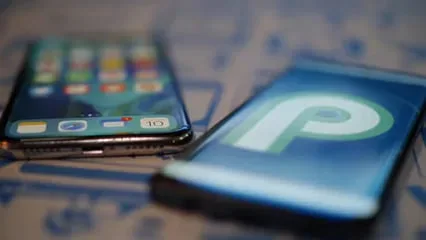
The Android-versus-iPhone debate is nearly as old as the smartphone itself, but the reasons to pick Android in 2026 look very different from a few years ago. Android still powers roughly 70% of the world’s smartphones, and today’s flagships — from the Google Pixel 10 to the Samsung Galaxy S25 — match or beat the iPhone on features Apple simply doesn’t offer. If you’re weighing your next phone, here are seven genuine, up-to-date reasons to choose Android over an iPhone, followed by an honest look at where Apple still wins.
7 reasons to choose Android over iPhone in 2026
1. There’s a phone for every budget
This remains Android’s single biggest advantage. Apple sells a handful of expensive phones; Android covers the entire spectrum. You can get a genuinely capable Android phone for $200–$300, a strong mid-ranger for $350–$500, or a top-tier flagship for $800–$1,000 that goes toe-to-toe with the priciest iPhone. If price matters to you at all — and for most people it does — Android is the only platform that actually meets you where your budget is, rather than forcing a premium entry point.
2. Far more hardware choice — including foldables
With Android you’re not choosing between three near-identical slabs. You can pick a compact phone, a giant one, a rugged model, a camera-first device, or a stylus-equipped productivity phone. Most importantly, Android owns the foldable category outright: Apple still has no foldable iPhone in 2026, while devices like the Pixel 10 Pro Fold and Samsung’s Galaxy Fold line offer a tablet-sized screen that folds into your pocket. If you want the most innovative form factors in phones, they’re all on Android.
3. Real customization
Android lets you shape the phone around how you work, not how the manufacturer thinks you should. Place widgets anywhere on the home screen, swap in a completely different launcher to change the whole interface, set your own default browser, keyboard and messaging app, and theme icons and colours to taste. iOS has loosened up in recent years, but Android’s flexibility is still in a different league — your phone can genuinely look and behave like nobody else’s.
4. Widgets, launchers and a flexible home screen
Android’s home screen has always been about information at a glance. Resizable, interactive widgets can sit anywhere you like, giving you weather, calendar, music controls, fitness stats or smart-home toggles without opening a single app. Pair that with third-party launchers and gesture controls and you get a phone that surfaces what you need instantly — a level of at-a-glance control iOS still doesn’t fully match.
5. Deep Google and Gemini AI integration
If you live in Gmail, Google Photos, Maps, Drive and Calendar, Android is the most natural home for it all — everything is tied together out of the box. In 2026, Android also has a real edge in on-device AI. Google’s Gemini assistant is woven through the system, and Pixel-exclusive features like Call Screening (which answers and filters calls on your behalf) show off what tight AI integration can do. Samsung’s Galaxy AI adds its own proactive suggestions and on-device smarts. Android had a head start in this space, and it shows.
6. Openness: sideloading, file access and defaults
Android treats you like the owner of your device. You can install apps from outside the official store (sideloading), browse your phone’s file system directly, drag-and-drop files to and from a computer with no special software, and set any capable app as your system default. For power users, tinkerers and anyone who resents a walled garden, that openness is reason enough to choose Android.
7. Long-term support that rivals Apple
One of Apple’s old trump cards — years of software updates — is no longer unique. Google now provides seven years of OS and security updates for its Pixel line, and Samsung matches that with seven years of support on the Galaxy S25 range. That means a flagship Android phone bought today can stay current well into the next decade, so choosing Android no longer means trading away longevity. Combined with lower prices, that makes today’s Android flagships an excellent long-term value.
Pixel 10 or Galaxy S25? A quick comparison
If Android is your choice, the two headline flagships pull in slightly different directions:
- Google Pixel 10: Understated design, a natural-looking OLED display that’s easy on the eyes, and the smartest software experience thanks to deep Gemini AI and computational photography that produces consistent, low-effort shots — especially in low light.
- Samsung Galaxy S25: A more premium, polished build with a brilliantly bright AMOLED screen, stronger zoom and more versatile cameras, and slightly better sustained performance under heavy load like gaming and streaming.
Both get seven years of updates, so you can’t go wrong — pick the Pixel for AI and simplicity, or the Galaxy for a flashier screen and camera versatility.
Where the iPhone still wins
An honest comparison admits Apple’s strengths. The iPhone still leads on a few fronts: a seamless ecosystem if you also own a Mac, iPad, Apple Watch or AirPods; industry-leading resale value; iMessage and FaceTime that keep many social circles locked in; and a reputation for polished, consistent software. If those matter more to you than choice, customization and price, the iPhone is a fine pick. For everyone else — especially anyone who values flexibility and getting more phone for their money — Android makes the stronger case in 2026.
Common myths about Android, debunked
A lot of the reasons people cite for avoiding Android are years out of date. A few worth clearing up:
- “Android is less secure.” Modern Android includes sandboxing, monthly security patches, Google Play Protect malware scanning and hardware-backed encryption. As long as you stick to the official store and keep your phone updated, mainstream Android is very safe. Most real-world risk comes from sideloading unknown apps — a choice, not a default.
- “Android gets slow and laggy.” That reputation belongs to cheap phones from a decade ago. Today’s flagships run smoothly for years, and the seven-year update commitment from Google and Samsung keeps them performing well over their lifespan.
- “Android updates are always late.” Pixel phones get new Android versions the day they launch, and Samsung’s rollout has become fast and reliable. The gap with iPhone on timely updates has narrowed dramatically.
- “The cameras aren’t as good.” Google’s Pixel and Samsung’s Galaxy flagships are consistently among the best camera phones in the world, with computational photography that often edges out the competition in tricky lighting.
FAQs
Is Android better than iPhone in 2026?
Neither is objectively “better” — it depends on what you value. Android wins on price, hardware choice, customization, foldables and openness. The iPhone wins on ecosystem integration, resale value and consistency. If flexibility and value matter most, Android is the stronger choice.
Do Android phones get updates for as long as iPhones?
Now, largely yes. Google’s Pixel phones and Samsung’s Galaxy S25 series both receive seven years of OS and security updates — comparable to Apple’s long-standing support. Cheaper Android phones still get fewer years, so check the support policy before buying.
Can I switch from iPhone to Android easily?
Yes. Both Google and Samsung offer transfer tools that move your contacts, photos, messages and most app data across during setup. The main friction is iMessage — remember to deregister your number with Apple so texts from iPhone users arrive correctly.
Which Android phone should I buy?
For a premium flagship, the Google Pixel 10 (best AI and cameras) and Samsung Galaxy S25 (best screen and zoom) lead the pack. On a tighter budget, Google’s A-series and Samsung’s mid-range Galaxy phones deliver most of the experience for far less.
Final thoughts
Choosing Android over an iPhone in 2026 isn’t about brand loyalty — it’s about getting a phone that fits your budget, your habits and your idea of how a device should work. With unmatched hardware variety, deep customization, cutting-edge foldables, Google’s AI advantage, an open platform and update support that now rivals Apple’s, Android gives you more freedom and more value for your money. For most buyers, that’s a combination the iPhone still can’t beat.



Share Your Thoughts