

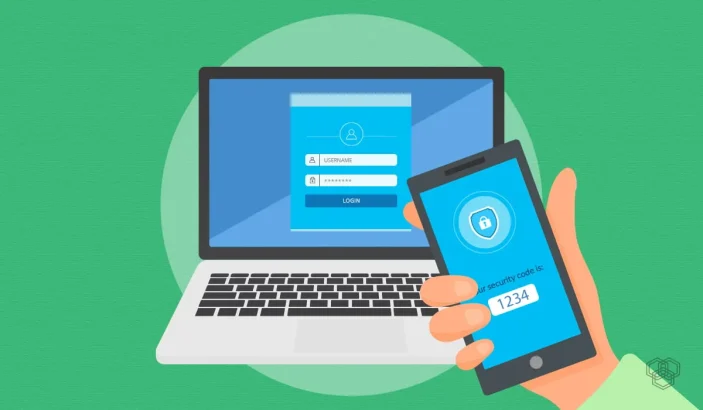
A password alone is not enough. Stolen credentials still power most account takeovers, and “change your password” does nothing if the attacker already has the old one. Multi-factor authentication (MFA) — still often called two-factor authentication or 2FA — adds a second check: something you have (phone, security key, passkey) or something you are (Face ID / fingerprint), not just something you know.
This guide modernizes the old “turn on 2FA” checklist for how people actually sign in now: passkeys, authenticator apps, and platform MFA across Google, Apple, and Microsoft. Skip the vague pep talks — here are the concrete switches. Pair this with a password manager habit from our social-login memory guide and email hygiene in protecting email from hackers.
MFA, passkeys, and authenticator apps
What MFA actually is in 2026
MFA means the service asks for a second factor after (or instead of) a password. Common factors:
- Passkeys — phishing-resistant keys stored in iCloud Keychain, Google Password Manager, or a hardware key. You unlock with Face ID, fingerprint, or PIN.
- Authenticator apps — time-based one-time codes (TOTP) from Google Authenticator, Microsoft Authenticator, Authy, 1Password, etc.
- Push approvals — “Was this you?” prompts in Microsoft Authenticator, Google prompts, or Apple device approvals.
- SMS / voice codes — better than nothing, weaker than apps or passkeys (SIM-swap risk). Use only if nothing else is available.
- Hardware security keys — YubiKey-style USB/NFC/Lightning keys for high-value accounts.
Passkeys vs authenticator apps vs SMS
Prefer this order when the account offers choices: passkey or security key → authenticator / push → SMS. Passkeys defeat classic phishing pages that steal codes. Authenticator apps still beat SMS. SMS is a last resort for accounts that refuse better options.
You do not have to pick only one forever. Many accounts let you add a passkey and keep an authenticator as backup. Do that for email and banking first — those unlock everything else.
Turn on MFA for Google
On the web: open Google Account → Security. Under “How you sign in to Google,” set up:
- Passkeys and security keys — create a passkey on this device or phone.
- 2-Step Verification — if not already on, turn it on; add Google prompts and/or an authenticator app.
- Authenticator app — scan the QR with your chosen app; store backup codes somewhere offline.
- Review Your devices and signed-in sessions; sign out anything you do not recognize.
On Android or iPhone, the same Security page opens in the Google app or browser. Work/school accounts may force organization MFA — follow your admin’s method.
Turn on MFA for Apple ID
Apple calls it two-factor authentication for your Apple ID. On iPhone/iPad: Settings → your name → Sign-In & Security (wording varies slightly by iOS version). Turn on two-factor if it is not already required, and confirm trusted phone numbers.
New sign-ins on a new device get a six-digit code on a trusted Apple device. Keep at least two trusted devices or a trusted number you control. For iCloud.com and appleid.apple.com, use the same Apple ID with MFA — do not disable it to “make logins easier.”
Passkeys for third-party sites live in Passwords / iCloud Keychain. That is separate from Apple ID MFA, but both belong in a modern lock-down.
Turn on MFA for Microsoft
For personal Microsoft accounts: go to account.microsoft.com/security → advanced security options. Enable two-step verification, then add:
- Microsoft Authenticator (push + codes) — preferred for Microsoft IDs.
- An alternate authenticator via QR if you standardize on one app family.
- A passkey / security key where offered.
- Backup email or phone only as recovery — not as your only daily factor.
Work or school (Entra ID / Microsoft 365) MFA is controlled by your org. Use the Authenticator method your admin requires; register a second method before travel.
Pick and back up an authenticator app
Pick one primary authenticator and stick to it so you are not hunting five apps during a lockout:
- Microsoft Authenticator or Google Authenticator — simple and free.
- 1Password / Bitwarden / Dashlane — codes next to the password vault (great if you already pay for a manager).
- Authy — multi-device backup if you accept their cloud model; enable its own protection PIN.
When you scan a new QR, immediately save the recovery / backup codes the site shows. Screenshot-to-camera-roll is weak; a printed page in a safe place or an encrypted note is better. Export or cloud-backup your authenticator if the app supports encrypted transfer — test restore once before you need it.
Recovery codes and what to do if you lose your phone
Lost phone checklist:
- Use a recovery code from your password manager or paper list to sign in on a computer.
- Remove the old phone as a trusted device; add the new phone’s passkey / authenticator.
- If you have no codes and no second factor, use the provider’s account recovery flow (Google, Apple, Microsoft each have identity checks). Expect delays — that friction is the point.
- Rotate the password and revoke app passwords / sessions after you are back in.
Never share live codes with “support” callers or chat pop-ups. Real vendors will not cold-call you asking for MFA digits.
FAQs
Is MFA the same as 2FA?
Mostly yes in everyday speech. MFA is the broader term (two or more factors). 2FA usually means exactly two. Passkeys often replace the password+code pair with a single strong ceremony.
Should I turn off SMS codes once I have an authenticator?
Yes, when the account lets you remove SMS as a sign-in method. Keep a non-SMS recovery path (codes, second passkey, or backup email you control).
Are passkeys safe if someone steals my phone?
They still need your device unlock (Face ID, fingerprint, or PIN). Turn on Find My / remote wipe and do not use a trivial device passcode.
Do I need MFA on every site?
Prioritize email, banking, Apple/Google/Microsoft IDs, password manager, and work SSO. Then socials and shopping. Anything that can reset other accounts comes first.
What about app-specific passwords?
Only for legacy apps that cannot do modern OAuth/MFA. Create them sparingly, label them, and delete them when the app supports normal sign-in.



Share Your Thoughts