

Firefox, Brave, Edge, Vivaldi and Safari are useful starting points when choosing a Chrome alternative. Your choice depends on the websites, extensions, privacy settings and devices you need. The 13 options below also include specialist browsers for tab organization or privacy, with practical limits to check before switching.
Correction, November 5, 2026: The earlier guide’s count did not match its entries. It also gave unattributed benchmark figures, overstated anonymity and incorrectly said Tor Browser disables JavaScript by default. Those claims have been corrected.
This is a feature comparison based on the developers’ documentation, not a TechEngage performance benchmark. Browser features and extension support differ across operating systems. The screenshots show earlier interfaces with TechEngage open; they are not evidence of current privacy settings or measured performance.
In this guide
Quick comparison: 13 Chrome alternatives
| Browser | Reason to consider it | Check before switching |
|---|---|---|
| Firefox | An alternative browser engine and tracking controls | Your required sites and Firefox add-ons |
| Brave | Built-in ad and tracker blocking | Site exceptions and extension support |
| Microsoft Edge | Sleeping tabs for background-tab management | Your preferred settings and Microsoft services |
| Vivaldi | Tab stacks, tiling and workspaces | Whether its controls suit your routine |
| Zen | Workspaces and split-view browsing | Beta status and essential-site compatibility |
| Safari | Apple-device integration and tracking prevention | Your Apple OS and extension requirements |
| Opera | A browser-integrated free VPN option | Browser traffic versus other device apps |
| Tor Browser | Browsing through the Tor network | Security levels, behavior and site restrictions |
| LibreWolf | A Firefox-derived browser with privacy defaults | Updates and compatibility trade-offs |
| Mullvad Browser | Settings designed to reduce fingerprint differences | It does not use the Tor network |
| Orion | WebKit and selected extension compatibility | Support for each extension and platform |
| Floorp | Firefox-based workspaces and split views | Required add-ons and release support |
| Epic | A Chromium-based privacy-focused option | Current settings, updates and proxy scope |
Firefox: a practical alternative to Chromium
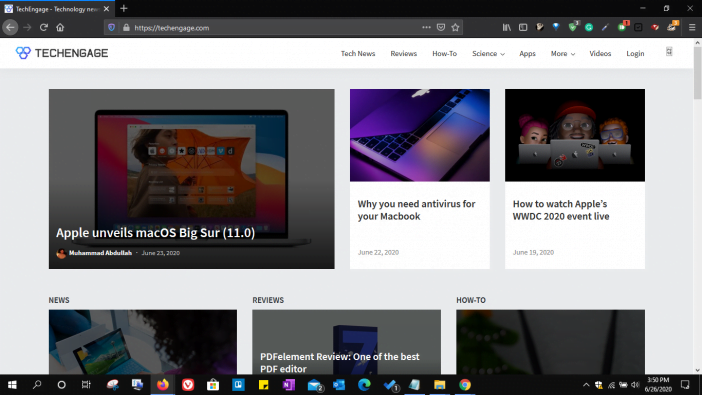
Firefox offers tracking protections, tab organization and an add-on environment separate from Chrome’s. Its Total Cookie Protection separates cookies by site to reduce cross-site tracking. It is a useful first option if you want to try a different engine without choosing a specialist privacy browser.
Check your work sites, streaming services and required add-ons. An extension with the same name on two stores may behave differently, and a browser change does not remove information already associated with your signed-in accounts.
Brave: built-in blocking, with settings to understand
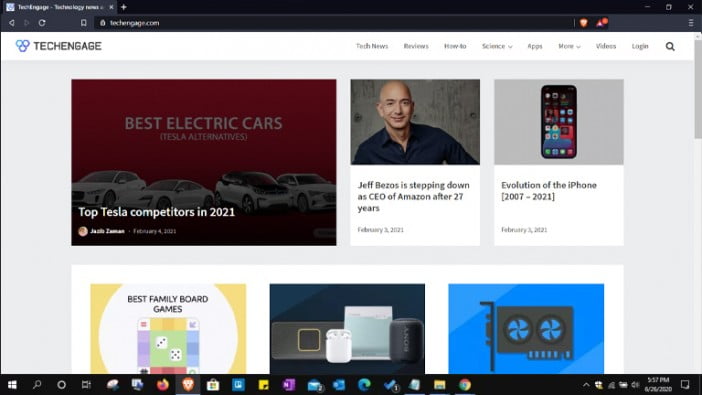
Brave Shields provides built-in ad and tracker blocking, with per-site controls when a page needs an exception. That can reduce the need for a separate blocker. Blocking may also interfere with a site, so learn how to inspect an exception instead of turning protection off everywhere.
Brave describes limited, best-effort support for selected Manifest V2 extensions. Do not assume every old Chrome extension will remain supported. Its Tor-connected private window also lacks many Tor Browser protections; the two are not interchangeable.
Microsoft Edge: background-tab management
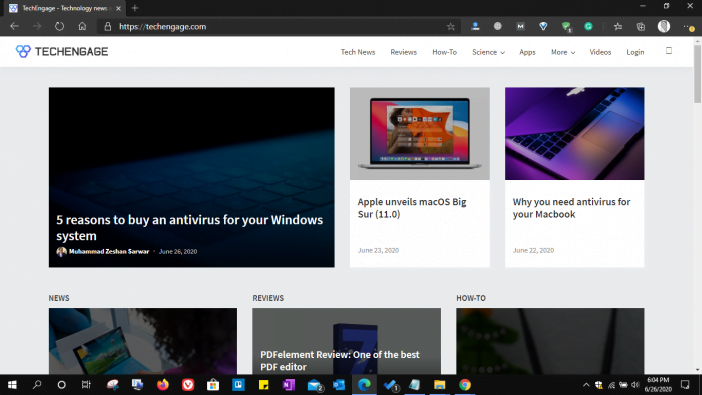
Microsoft’s sleeping-tabs feature can suspend eligible background tabs to reduce resource use. Some tabs remain active for tasks such as playing audio. This is useful to examine if you keep many tabs open, but it does not establish a fixed memory saving on your computer.
Review the browser’s settings, account synchronization and optional services before making it your default. Compare its behavior with your own pages and extensions, including whether background web apps continue to do the work you need.
Vivaldi: organize tabs and workspaces
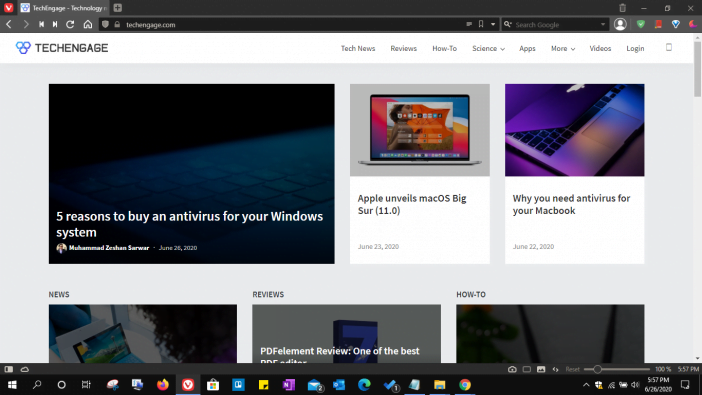
Vivaldi’s feature set includes tab stacks, tiled views, workspaces and web panels. These controls are useful when you need to compare pages or keep different projects apart. They also add choices to learn, so start with the controls that solve an actual problem.
Check keyboard shortcuts, extension compatibility and how your layout behaves on a smaller screen. A highly adjustable interface is a benefit when its organization fits your work, rather than a reason to enable every available panel.
Zen: a different workspace layout
Zen emphasizes workspaces, a compact interface, split views and temporary page previews called Glance. Its site labels the browser as beta. Consider it when you want to try that layout, while keeping a dependable fallback for essential tasks.
Check your operating system, password manager and any streaming or conferencing service you depend on. Beta status and attractive tab controls do not establish compatibility with every site or suitability for a managed work device.
Safari: an option for supported Apple devices
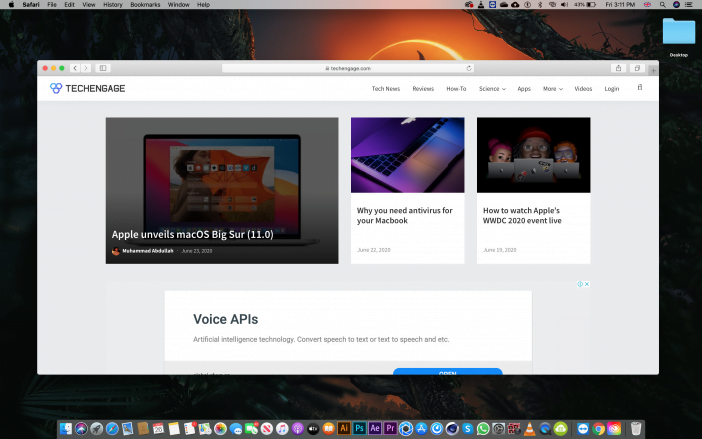
Safari offers Apple-device integration and Intelligent Tracking Prevention. It is worth comparing if your browsing already depends on Apple devices and services. Available features depend on the device and operating-system release.
Check the extensions and work sites you need before switching. Neither a developer’s efficiency claim nor a screenshot establishes an extra number of battery hours for your laptop; your pages, settings and workload affect the result.
Opera: distinguish browser VPN coverage from device coverage
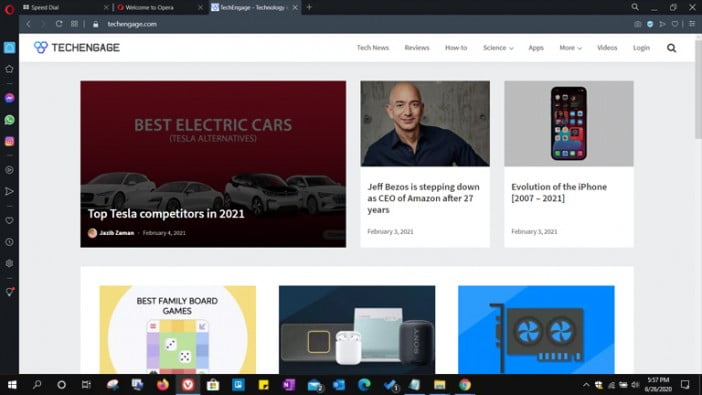
Opera offers a free VPN inside its browser. Its documentation distinguishes that browser coverage from the separate VPN Pro service’s device-wide coverage. Turning on a browser feature should not be treated as proof that other apps use the same connection.
A VPN changes the network route for covered traffic. It does not erase cookies, conceal a signed-in identity or make a malicious site safe. Our VPN explanation covers those privacy limits.
Tor Browser: a specialized privacy tool
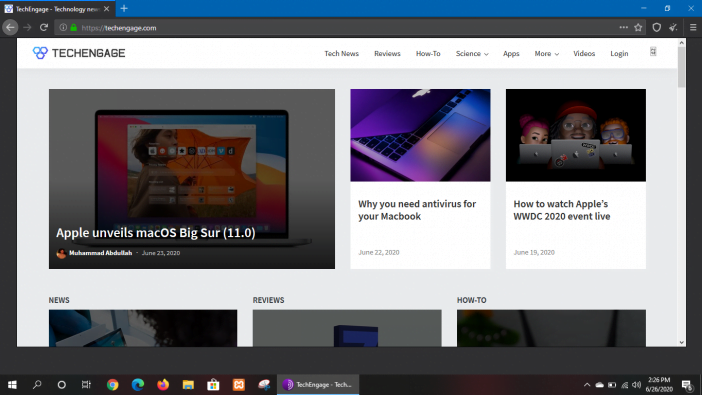
Tor Browser uses the Tor network and includes protections intended to make users harder to distinguish. Its default Standard security level enables browser features, including JavaScript. Safer and Safest restrict more features, which can break parts of websites.
Tor is not a guarantee of anonymity. Signing into an identifying account, disclosing personal details or using a compromised device can still expose you. Read the project’s guidance for your circumstances; do not equate a private-browsing label or a different IP address with safety.
LibreWolf: privacy-oriented Firefox defaults
LibreWolf is a Firefox-derived browser that changes defaults to focus on privacy and security and includes uBlock Origin. Consider it if you want that starting configuration and are prepared to understand the trade-offs.
Confirm how updates reach your operating system and check sites that require particular media or browser capabilities. A stricter default can affect compatibility. Avoid assuming that a fork has the same release timing or support arrangements as its upstream browser.
Mullvad Browser: reduce fingerprint differences
Mullvad Browser was developed with the Tor Project and aims to make users’ browser fingerprints more alike. It does not use the Tor network. Mullvad says it can be used with or without a VPN and does not require a Mullvad VPN subscription.
Changing privacy-sensitive settings or adding extensions can work against a consistent configuration. The browser itself does not hide your IP address through a VPN, and fingerprint resistance does not make identification impossible. Choose it for a specific privacy need rather than a universal-anonymity promise.
Orion: WebKit with selected extension support
Orion uses WebKit and advertises support for selected Chrome and Firefox extensions. The developer distinguishes a curated set of supported extensions from broader compatibility, so test the exact password manager or work add-on you need.
Check the current download and support information for your operating system. Do not treat the ability to install an extension as proof that every function works. A different engine can be useful, but it also makes your required-site checks important.
Floorp: another approach to a Firefox-based workspace
Floorp offers a Firefox-based interface with workspaces, split views and web panels. It is an option for people who want to arrange several pages without adopting the same layout as their current browser.
Evaluate its supported release for your device, update method and essential add-ons. Being based on Firefox does not mean it accepts every Chrome extension. Compare the workflow with Vivaldi or Zen if tab organization is your main reason for changing browsers.
Epic: inspect its privacy controls and connection scope
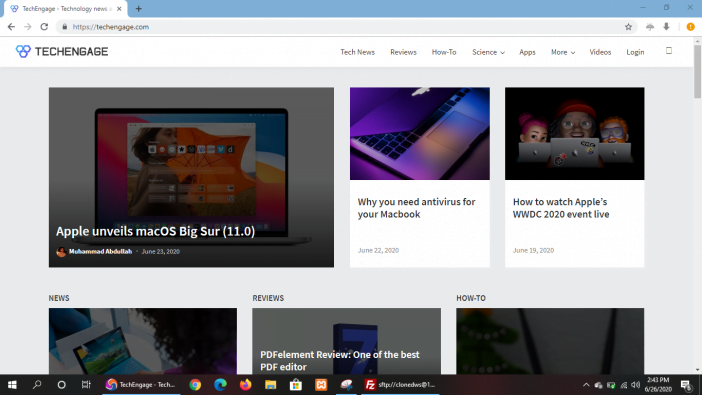
Epic is a Chromium-based browser marketed around privacy. If its features appeal to you, check the current release, available controls and the scope of any enabled proxy before relying on it. A browser’s privacy positioning is not an independent security assessment.
Apply the same account, cookie and device-security limits as you would elsewhere. Avoid choosing a browser on promises of untraceable browsing or guaranteed cheaper shopping; neither follows simply from changing a browser or network route.
AI features: check data access and task permissions
Some browsers include AI summaries, chat or actions on webpages. Evaluate each feature separately: which page content can it read, what leaves the device, where is history stored, and what actions can it take while you are signed in? A useful answer should not require guessing which permissions you have granted.
Read important source pages yourself and verify an answer before relying on it. Review a purchase, message or account change before allowing a tool to complete it. An AI feature, private window and tracker blocker address different needs; one does not establish the protections of the others.
How to move from Chrome without losing track of your data
- Install the browser from its official source and confirm that your device is supported.
- Use its supported import tool for the Chrome profile and data types you need. Options vary by browser and operating system.
- Check important bookmarks, passwords and essential websites before deleting an old profile. Reinstall compatible extensions from their official store or developer.
- Set the new default browser after checking the setup. Keep a recovery method for important accounts.
For example, Mozilla’s import instructions describe choosing a Chrome profile and supported data. They also explain that some password transfers require a CSV file. A password CSV is unencrypted: anyone who can read it can obtain the passwords. If that method is necessary, keep the file private, avoid shared or synchronized folders, verify the import and remove the exported copy afterward. Do not assume every browser imports everything automatically.
Pick the feature that solves your problem
Begin with the reason you want to leave Chrome: a different engine, built-in blocking, tab management or a particular privacy requirement. Try the relevant option with your normal workload, then check updates, extensions and account recovery. Our account-security guide explains protections that remain necessary whichever browser you use.
Frequently asked questions
Which Chrome alternative is fastest?
This comparison does not establish a performance winner. Compare current versions with your own pages, extensions and device; an unsourced benchmark number is not a reliable basis for choosing.
Does private browsing make me anonymous?
No. It mainly changes how browsing information is kept locally. Accounts, websites, network observers and a compromised device can still identify activity.
Does Tor Browser disable JavaScript by default?
No. Tor Browser’s default Standard security level enables JavaScript. Safer and Safest apply additional restrictions that can affect how sites work.
Will all my Chrome extensions work after switching?
No. Compatibility depends on the browser, operating system and extension. Check each essential add-on and the developer’s current support information.



Hi. Does any browser have the sync feature of Chrome? I wanna sign in with my gmail and have the bookmarks/history/etc on all devices that has logged in with that gmail
Firefox, Opera certainly have that
Hi there, yes, opera has a sync feature. you can choose to use that. just know, opera is known for not being safe, because of the owners history and past. i wouldnt recommend using it. most browsers should have a sync option but if they dont, you can always download your data and transfer it to a new device.
Two questions from a very non-techie person:
1. As an attorney, I hate Google’s lack of privacy but love how easily I can locate information (which is because they illegally copied everything ever published). Which alternative browser is the best at locating information?
2. If I give up using Google as a browser, can I still access my gmail over the internet? Do I have to give up g-mail email addresses?
Many thanks,
Denise
Google search is not necessarily tied to the browser, you can use any browser for searches.
and no, you do not have to give up your email address, but expect to be hassled to install chrome every-time you search google from a different browser.
Either way, using google search will continue to allow them to copy everything published.
Bing.com is a joke.
Goduckgo.com is nice, but never get as many results as google
Go duck go? Or did you mean, duckduckgo ?
Probably worth noting that the Brave browser was found hijacking links and inserting affiliate links multiple times in 2020.
Have you got any links or references to support this claim?
Maybe read the article…?
It would be helpful to know what browsers were tested. I’m sure it wasn’t all of them so is this a ranking of the 8 non-Chrome browsers that were tried or were there others tested that failed to warrant inclusion?
If I’m wondering about Maxthon, Pale Moon, Seamonkey, etc. there’s nothing I can derive from this otherwise. Are they not listed because they didn’t measure up or because they
were overlooked entirely.