
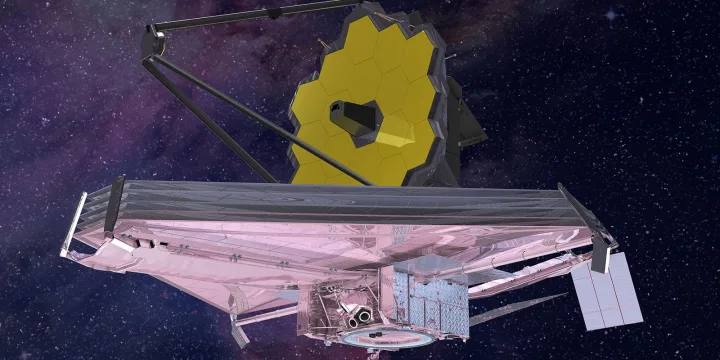
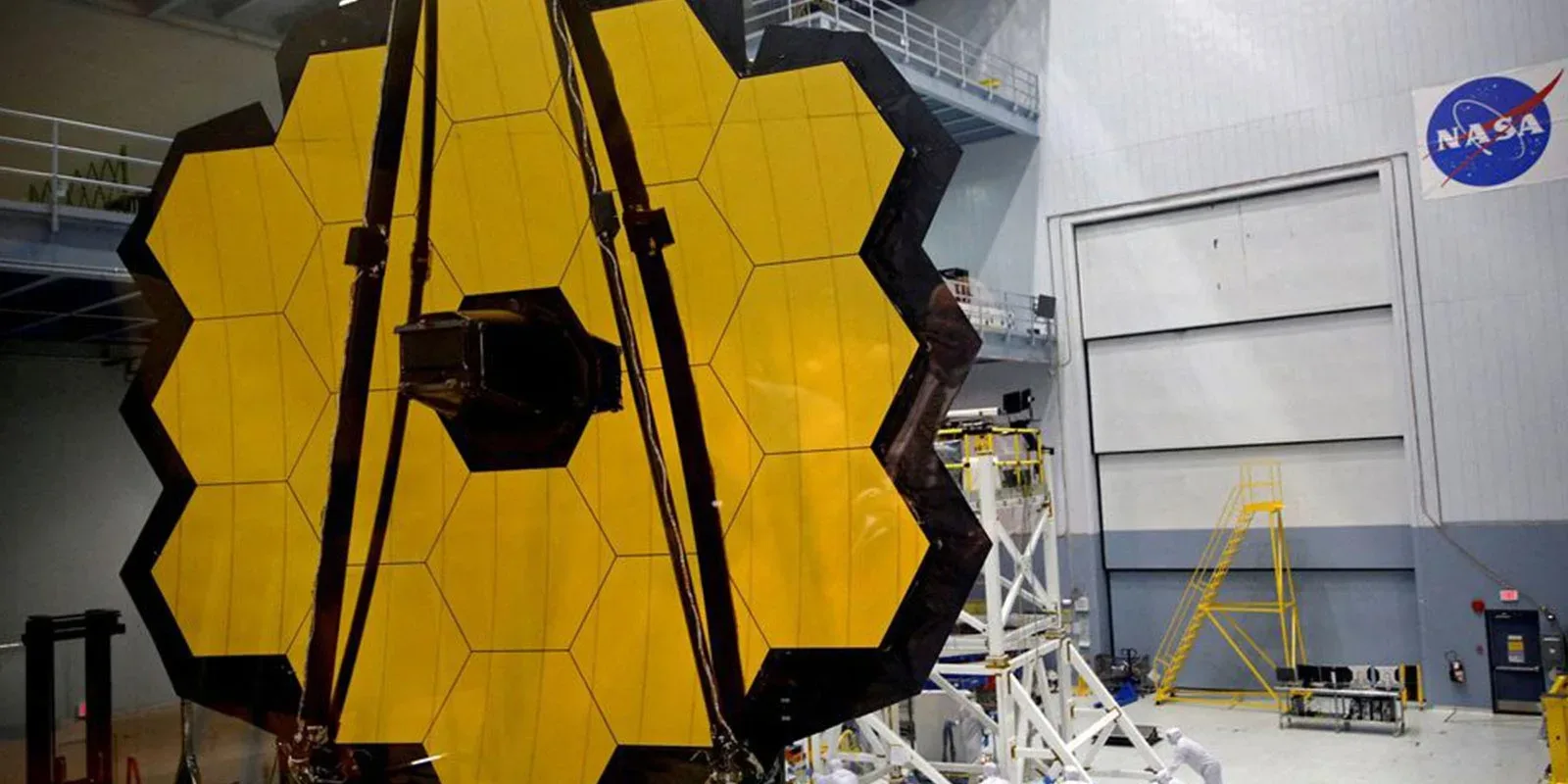
NASA has unveiled the first images from the James Webb Space Telescope. The most hectic task in taking an image of distant celestial bodies is the proper alignment of 18 primary mirrors of JWST. Now NASA has surpassed this initial step and has taken a mosaic of first images by properly aligning the 18 primary mirrors.
This is an excellent starting point, although James Webb Space Telescope has yet to reach its full potential. The journey to capture the distant, isolated star was full of twists and turns. Let’s discover the challenges, the image capturing process, and how the James Webb Space Telescope would explore space.
Challenges in capturing a distant isolated star
NASA has used the Near Infrared Camera (NIRCam) to collect, converge, and change the incoming light of celestial objects into data and consequently into a mosaic of images. There were two primary challenges to the NASA team while using the James Webb Space Telescope for space exploration. One involved the confirmation that NIRCam is ready to collect the light from distant light objects. And the second complication involved the identification of the starlight in each of the 18 primary mirror segments.
After this, they got a refined and lucid mosaic image of 18 randomly organized dots of starlight. The further process involved the reflection of light back into the secondary and finally to the NIRCam detectors. Uniquely blurred and uncleared image mosaic of the distant star may seem as drastically lacking capabilities to further explore the universe.
In reality, this blurred and obscured image is the foundation of further space exploration. Through the help of this mosaic of images, NASA could align the 18 primary mirrors of JWST to capture the distant stars, galaxies, and black holes.
The team at NASA has affirmed that it would continue its struggles until getting a single clear and translucent image from 18 images. Marcia Rieke, principal investigator for the NIRCam instrument, said that “The entire Webb team is ecstatic at how well the first steps of taking images and aligning the telescope are proceeding. We were so happy to see that light make its way into NIRCam.”
Image capturing process
The image capturing process of the distant isolated star is complicated and hectic. This process started on February 2 and JWST was appointed to 156 different pre-planned locations of the star. It generated 50 gigabytes of data by generating 1,500 images using the Near Infrared Camera (NIRCam).
This long, persistent, and hectic process was nearly 25 hours long. The good thing about the JWST is that it locates the target star within the first 6 hours and 16 exposures. They then combined the mosaic of images to produce a single transparent image. It is surprising to know that only the center of that mosaic of images has over 2 billion pixels.
James Webb Space Telescope
James Webb Space Telescope launched, hoping to explore the universe more intricately. Previously in the Hubble Space Telescope, only the visible rays were used. Now, the JWST is employing the Near Infrared Camera to capture more details and intricacies of the far celestial bodies. Different parties played a major role in creating and launching the JWST. The U.S. National Aeronautics and Space Administration developed the JWST in partnership with the Canadian Space Agency and European Space Agency.
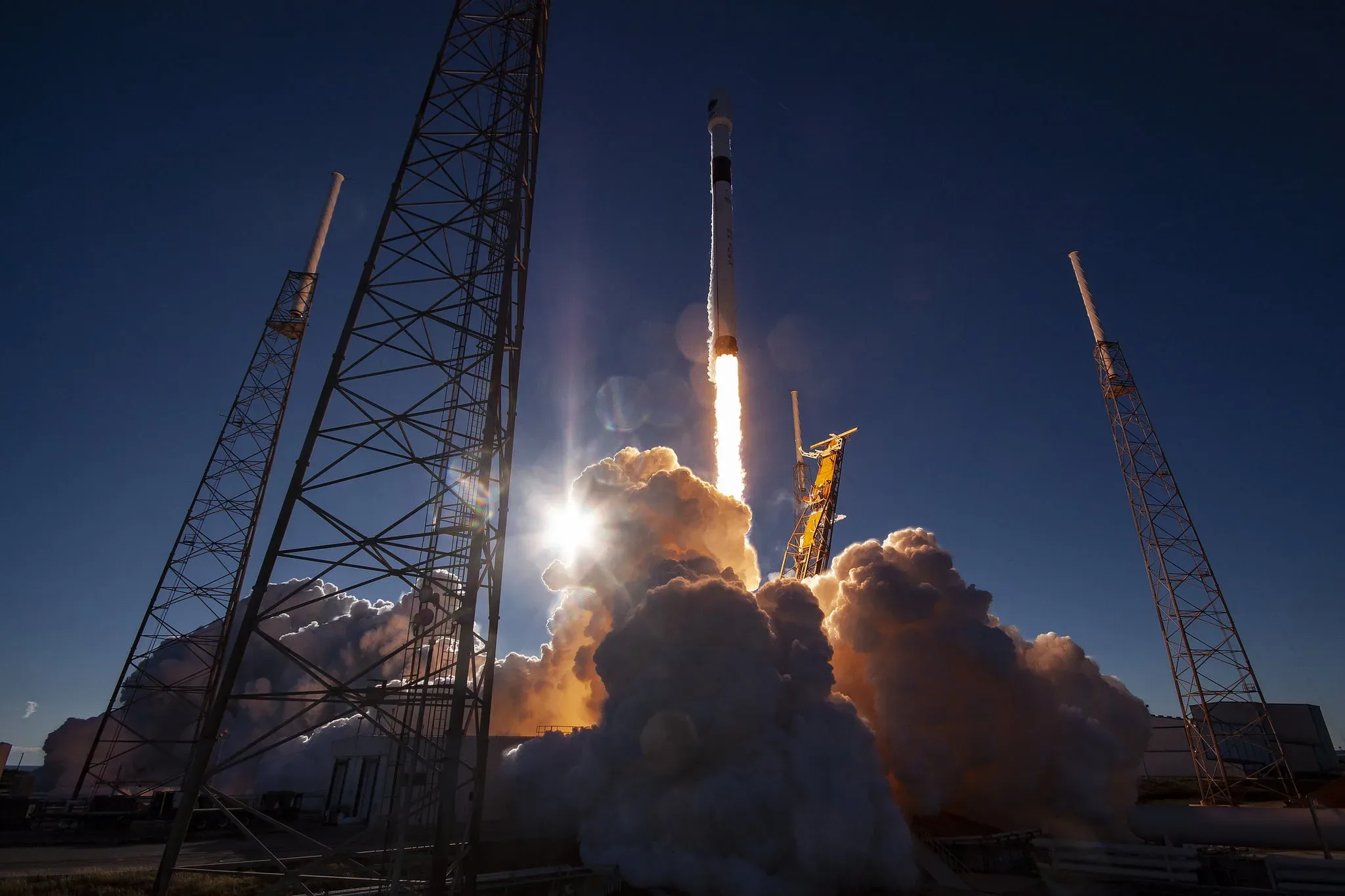
NASA took a lot of time to launch the JWST. Finally, on Christmas Day, they ended the decade-long wait and launched the miraculous JWST into space. The process of the launch was long and on January 4th, NASA deployed the sun-shield to keep the temperature of the JWST to a minimum. JWST unfurled its primary mirror on January 8th and then on January 24th it reached its final orbit. Thus, completed launching.
Wrap up
James Webb Space Telescope is an extra step into the depths of celestial bodies and mysterious space. NASA, with the help of the Canadian Space Agency and European Space Agency, launched the JWST on December 25 last year. It is a huge project worth more than $10 billion and will explore cosmic history intricately. JWST has used the NIRCam technology to capture a more detailed view of distant stars and galaxies.


Share Your Thoughts