


The tech journalism landscape in 2026 looks nothing like it did even three years ago. Legendary columnists have left major publications to build independent media ventures. AI-generated content has flooded the internet, making human-voiced analysis more valuable than ever. And the journalists who’ve survived the industry’s upheaval tend to be the ones with genuine expertise, established trust, and a track record that stretches back years or decades.
I’ve followed tech media closely throughout my career — not just reading these journalists, but studying how they approach stories, where they find sources, and what makes their analysis stick. This list reflects the reporters, editors, and columnists whose work I genuinely rely on for industry intelligence and perspective. Some are veterans who’ve been in the game for twenty years. Others built their reputations more recently through sheer quality of output.
Every entry includes their current role and publication as of early 2026, along with what specifically makes their work worth your time.
Table of Contents
The Big-Picture Reporters
These journalists don’t just cover products — they cover the forces shaping the entire technology industry. If you want to understand where tech is heading and why, start here.
1. Alex Hern

Technology Editor — The Guardian
Alex Hern has grown from a relatively junior addition to The Guardian’s tech desk into one of the most trusted technology editors in UK media. His beat spans AI policy, platform regulation, and the social consequences of technological change. What separates Hern from many tech editors is his willingness to ask uncomfortable questions about the companies he covers — his reporting on algorithmic harms and data privacy failures has been particularly sharp in recent years. The Guardian’s reputation for independent, unflinching journalism runs through every piece Hern oversees.
2. Adi Robertson

Senior Reporter — The Verge
Adi Robertson covers the intersection of technology and politics better than almost anyone in the business. Her reporting on antitrust actions against Big Tech, the evolving regulatory landscape around AI, and platform content moderation policies goes deep without losing accessibility. Robertson’s coverage of the Apple-Epic legal battle and the congressional tech hearings set the template for how policy-focused tech reporting should work — precise, contextualized, and impartial. She’s one of The Verge’s most senior voices and a journalist I consistently trust to get the nuances right on complicated legal and regulatory stories.
3. Christopher Mims

Technology Columnist — The Wall Street Journal
Christopher Mims writes the kind of technology column that makes you stop and reconsider assumptions. At the WSJ since 2014 (previously editor at Quartz), his focus isn’t on gadgets or product launches — it’s on how technology reshapes work, inequality, and human behavior. His columns on remote work’s long-term economic effects, the hidden infrastructure behind cloud computing, and the AI labor displacement wave have been prescient and deeply researched. Mims treats technology as a lens for examining broader economic and social forces, which makes his work essential reading for anyone who thinks about tech beyond the surface level.
4. Rory Cellan-Jones

Independent Writer and Speaker — formerly BBC News (retired 2021)
Rory Cellan-Jones spent over two decades as the BBC’s technology correspondent before retiring in late 2021 after 40 years at the corporation. His retirement didn’t mean silence. He now writes independently, runs a newsletter exploring the intersection of technology and health (informed by his own Parkinson’s diagnosis), and speaks regularly at industry events. I include him here because his body of work at the BBC shaped how a generation of British viewers understood the tech industry. He asked the questions most tech journalists were too caught up in the hype cycle to consider: whether innovation was genuinely improving lives, and who was being left behind. That perspective is worth revisiting regardless of where he publishes now.
The Product Critics and Reviewers
These journalists test products, write reviews, and help consumers make informed purchasing decisions. Their opinions carry weight because they’ve built credibility through years of consistent, honest assessments.
5. Dan Seifert

Product Strategy — Google (formerly Deputy Editor at The Verge)
Dan Seifert spent over a decade at The Verge establishing himself as one of the most trusted mobile device reviewers in the industry. His reviews were known for their honesty — he’d praise what worked and unflinchingly call out what didn’t, even when reviewing products from the biggest names in tech. His Galaxy Watch and Pixel phone reviews were appointment reading for anyone serious about mobile technology. Seifert transitioned to a product strategy role at Google, which means he’s no longer publishing reviews. But his archive at The Verge remains a masterclass in how to evaluate consumer hardware, and his critical eye likely influences products from the inside now.
6. Brian Heater

Hardware Editor — TechCrunch
Brian Heater’s resume reads like a tour of the best hardware publications in tech: Engadget, PCMag, Laptop Magazine, and now TechCrunch, where he covers robotics, wearable tech, and personal electronics. What sets Heater apart is the depth of his experience — after testing hardware for over a decade across multiple publications, his comparative instincts are razor-sharp. He doesn’t just evaluate a product in isolation; he contextualizes it against everything else in the category. His headphone and smartphone reviews are particularly worth following, and his robotics coverage at TechCrunch has evolved into one of the publication’s most distinctive beats.
7. Eric Zeman

Reviews Editor — Android Authority
If you’re buying an Android phone and want a review from someone who has personally tested hundreds of devices over a career spanning well over a decade, Eric Zeman is your person. At Android Authority, his reviews go deep into camera performance, battery endurance, and real-world usage in ways that surface-level reviewers skip. Zeman’s gift is translating technical specifications into practical, everyday implications. He’ll tell you not just that a camera sensor is 200 megapixels, but whether that actually produces better photos in the conditions you’ll typically shoot in. That consumer-first perspective is what keeps me coming back to his work.
8. Kimber Streams

Lead Editor — Wirecutter (The New York Times)
Kimber Streams leads the technology coverage at Wirecutter, The New York Times’ product recommendation service. Wirecutter’s approach is distinctively methodical — they don’t just review products, they test them head-to-head against every reasonable competitor in a category before naming a single “best” pick. Streams oversees this process for tech products, ensuring the testing methodology stays rigorous and the recommendations stay honest. In an era where many “best of” lists are thinly disguised affiliate plays, Wirecutter’s editorial independence under Streams’ leadership makes it one of the last places I trust completely for buying guidance.
9. Samuel Gibbs

Consumer Technology Editor — The Guardian
Samuel Gibbs reviews consumer electronics for The Guardian with a voice that’s accessible without being dumbed down. His coverage spans phones, laptops, wearables, and smart home devices, and he consistently prioritizes the reader who isn’t a tech enthusiast — the person who just wants to know whether this product is worth their money. That perspective is genuinely rare in tech journalism, where most reviewers write for an audience that already knows what a Snapdragon chipset is. Gibbs explains things for normal people, and his reviews are better for it.
The Industry and Business Journalists
Tech isn’t just about products — it’s a multi-trillion-dollar global industry. These journalists cover the corporate strategies, power struggles, and business decisions behind the headlines.
10. Mike Isaac
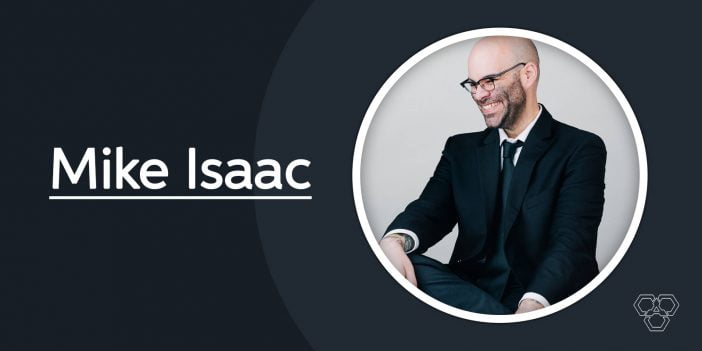
Technology Correspondent — The New York Times
Mike Isaac is one of the most consequential tech journalists working today. His book “Super Pumped: The Battle for Uber” documented Uber’s chaotic rise and Travis Kalanick’s downfall with the kind of inside access most reporters can only dream of. He followed it with “Character Limit,” an account of Elon Musk’s acquisition of Twitter. At the Times, Isaac covers the business of technology with a focus on social media platforms, corporate power struggles, and the personalities driving the industry’s biggest decisions. His sources are deep, his reporting is meticulous, and his ability to turn complex corporate sagas into compelling narrative journalism is unmatched.
11. Mike Butcher
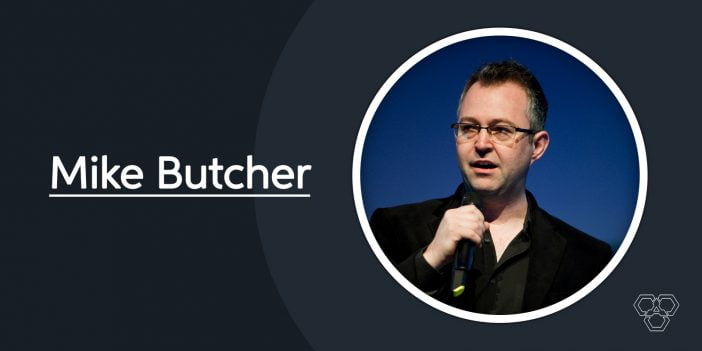
Editor-at-Large — TechCrunch
Mike Butcher has been at TechCrunch since 2007 — an extraordinary tenure in an industry known for constant turnover. He earned an MBE for his services to journalism and is consistently named one of the most influential people in European tech. Butcher’s focus is the European startup ecosystem, which he covers with a depth and network that nobody else in English-language tech media can match. He co-founded TechHub and played a significant role in building London’s tech community from something small and scattered into a globally recognized ecosystem. If you’re interested in tech beyond Silicon Valley, Butcher is essential reading.
12. Joanna Stern

Founder — Independent Consumer Tech Media (formerly The Wall Street Journal)
Joanna Stern spent 12 years at The Wall Street Journal as its senior personal tech columnist, becoming one of the most recognizable tech journalists in mainstream media. Her video reviews and columns were uniquely accessible — she had a gift for explaining complicated technology to people who weren’t technical, without ever talking down to her audience. In February 2026, Stern announced she was leaving the Journal to launch her own consumer-tech media company, focused on helping real people navigate AI and emerging technology. She represents a growing trend of established journalists leaving legacy media to build independent operations, betting that their personal brand and audience will follow them. Based on her track record, that bet seems safe.
13. Devin Coldewey

Writer — TechCrunch
Devin Coldewey is a writer and photographer for TechCrunch whose work stands out for its creative perspective. While many tech journalists follow predictable beats — product launches, earnings calls, executive moves — Coldewey consistently finds unusual angles that reframe how you think about technology. His features explore the cultural implications of new products and the design philosophy behind the devices we use daily. He’s the kind of writer who makes you reconsider technology you thought you understood, and TechCrunch’s editorial mix is richer for having him on staff.
The Specialist Voices
These journalists have built their careers around specific niches within technology — wearables, mobile, deals, gaming, or computing. Their focused expertise makes them the definitive voices in their respective areas.
14. Tabitha Baker

Deals Editor — TechRadar
Tabitha Baker has turned deals journalism into something that actually helps readers rather than just listing price drops. At TechRadar, she curates technology discounts with editorial context — explaining why a particular OLED TV is worth buying at this price point, or why a laptop deal that looks great on paper has hidden compromises. That editorial layer transforms deal roundups from glorified advertisements into genuinely useful buying guidance. If you’re making a tech purchase and want to time it with the best available pricing, Baker’s coverage consistently surfaces deals worth acting on.
15. Matt Hanson

Senior Computing Editor — TechRadar
Matt Hanson has carved out a strong position in the PC hardware space at TechRadar, covering gaming processors, graphics cards, peripherals, and the broader computing market. His buying guides help PC gamers navigate what’s become an increasingly complex and expensive hardware landscape. What I respect about Hanson’s approach is intellectual honesty — he published a widely-read piece admitting he’d been wrong about VR gaming, reassessing his earlier skepticism as the technology matured. That willingness to publicly update his views based on new evidence is a quality every tech journalist should aspire to.
16. James Peckham
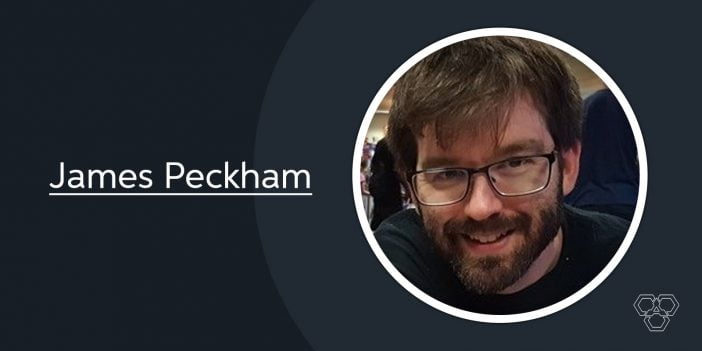
Wearables Editor — TechRadar
The wearables market has exploded in the past few years, with health-monitoring features turning smartwatches from novelties into genuinely useful health tools. James Peckham has been TechRadar’s point person on this entire category, covering everything from budget fitness bands to premium smartwatches with medical-grade sensors. His comparative buying guides are especially useful because wearables are a category where the differences between products matter enormously for individual use cases — a runner, a swimmer, and someone managing a health condition all need different things. Peckham understands these distinctions and writes for real-world buyers rather than spec-sheet enthusiasts.
17. Aakash Jhaveri

Sub-Editor — TechRadar India
India is one of the world’s largest and fastest-growing smartphone markets, and Aakash Jhaveri covers it from the inside. At TechRadar India, he tracks mobile device leaks, verifies rumors through his source network, and reports on product launches that often don’t get adequate coverage in Western tech media. Jhaveri is the writer I turn to when I want early intelligence on upcoming mobile device releases targeting the Indian market — a segment that increasingly influences global product strategy for Samsung, Xiaomi, and other major manufacturers.
18. Drew Prindle

Senior Features Editor — Digital Trends
Drew Prindle is one of the most versatile writers on this list. At Digital Trends, he covers everything from emerging science and robotics to consumer electronics and tech policy. Most tech journalists specialize narrowly — Prindle’s range is genuinely unusual, and he maintains quality across every topic he touches. His features on emerging technologies and the societal implications of innovation are consistently thought-provoking, and his ability to shift between accessible consumer content and deeper analytical pieces makes him valuable as both an entertaining read and a serious information source.
19. Cecilia D’Anastasio

Gaming Reporter — WIRED
Cecilia D’Anastasio covers gaming for WIRED with a maturity and analytical depth that elevates the entire field. Her career arc — from Kotaku to Bloomberg to WIRED — reflects an upward trajectory toward increasingly prestigious outlets, each move recognizing the quality of her work. D’Anastasio treats video games not just as entertainment products but as cultural forces that shape and reflect society. Her reporting on workplace culture in the gaming industry, the business strategies of major publishers, and the cultural impact of specific titles consistently produces the kind of journalism that transcends the gaming beat and resonates with broader audiences.
The Independent Voices
The biggest shift in tech journalism over the past five years has been the rise of independent media. Several of the best tech journalists have left major publications to build their own platforms, betting that their audience will follow them directly.
20. Casey Newton
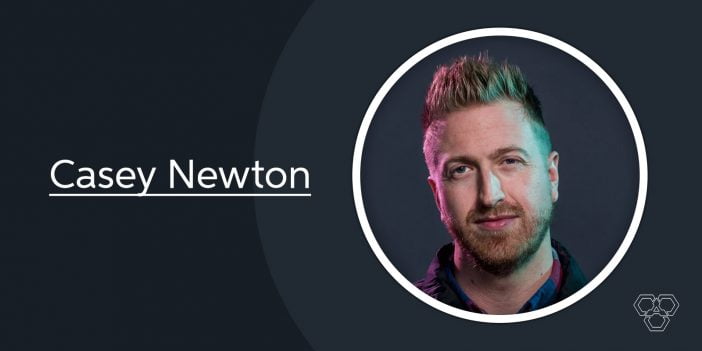
Founder and Editor — Platformer
Casey Newton was The Verge’s Silicon Valley editor until 2020, when he left to launch Platformer — a newsletter and publication focused on the intersection of technology and democracy. It was one of the first high-profile moves in what became a wave of journalists leaving legacy media for independent operations. Newton now co-hosts the Hard Fork podcast with The New York Times and has built Platformer into one of the most cited independent tech publications in the industry. His coverage of content moderation, platform governance, and the business decisions behind the apps billions of people use daily is consistently ahead of the curve. When a major platform policy change is about to happen, Newton usually knew about it first.
How Tech Journalism Has Changed
When I first published this list, most of these journalists worked at traditional publications and published exclusively through those outlets. The landscape has shifted dramatically since then.
The newsletter revolution, driven by platforms like Substack, gave established journalists a way to monetize their personal brands directly. Casey Newton’s Platformer proved the model worked for tech journalism. Joanna Stern’s departure from the WSJ in early 2026 to launch her own consumer-tech media company suggests the trend is accelerating rather than slowing down.
Meanwhile, AI-generated content has created a paradox for the industry. The internet is now flooded with synthetic articles that are technically competent but lack genuine insight, original reporting, or personal experience. This has actually increased the value of established journalists with proven track records — readers who care about accuracy and depth seek out bylines they trust, which is exactly what the twenty people on this list have built.
Traffic to major tech publications has plummeted since Google’s AI Overviews began answering queries directly in search results. That financial pressure has led to layoffs and closures across the industry, making the journalists who remain all the more valuable. Following the right voices today isn’t just about staying informed — it’s about ensuring that quality tech journalism survives by supporting the people who produce it.
For more on the tech media landscape, explore our coverage of the best browsers for staying current and our guide to protecting your privacy while following tech news online.




Hi,
In your profile of Tabitha Baker, it’s a “she” and not a “he.”
I’ve made this slip before until I was called to correct … or else!
That said, great stuff, Jazib.
I’ve only been in this racket (reporter, editor, publisher, and PR agent) for only 50 years.
Of course, we used manual typewriters in those days and played poker at the Montreal Press Club … now history.
stu lowndes
Hi Stu, Thanks for the nice words and correction. I have corrected it.
Thanks,
Jazib