

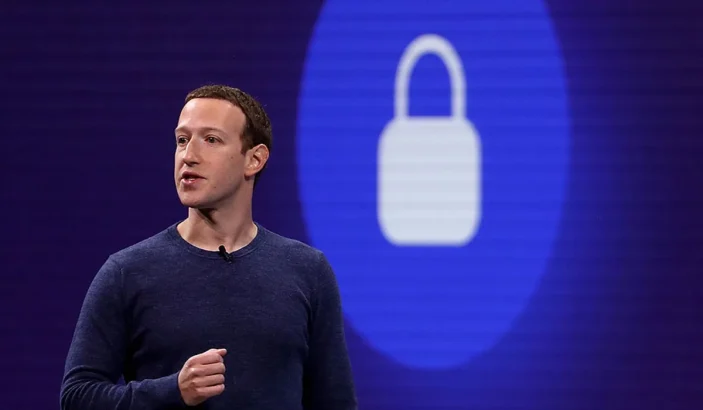
“I’m proud of the progress we’ve made in 2018 and grateful to everyone who has helped us get here — the teams inside Facebook, our partners and the independent researchers and everyone who has given us so much feedback.”Even though some of us might find humor in a declaration of victory after a year of defeats, you have to admire his bold move. Several analysts have written off Zuckerberg several times now. The fact that he continues to survive as Chairman of Facebook is a victory in itself.
A Tradition of Setting Yearly Goals:
Zuckerberg has been setting yearly goals for several years now. People still remember some of his most famous ones. For example, in 2011, Zuckerberg made a surprising resolution not to eat animals unless he killed them himself. At a glance, this sounds like a decision to become a vegetarian and Zuckerberg claimed he had “basically become a vegetarian.” But things got weird when the press reported him actually killing pigs and chickens. In 2014, he learned Mandarin as part of his aim to win over his new Chinese market. It went so well that towards the end of the year, Zuckerberg sat in a 30-minute-long question and answer session in Beijing. It was all in Mandarin. Needless to say, everyone was impressed. In 2015, Zuckerberg vowed to work on his reading habits. The press likened him to Oprah as he announced his own online book club. Ironically, his first choice was The End of Power by Moisés Naím, which discusses the disruptive effect of technology on global politics. Last year, he announced he would build himself a personal AI assistant. This idea was based on the Iron Man’s assistant Jarvis from the Marvel comic franchise. He gleefully added that his AI sidekick was to be voiced by Morgan Freeman. Ah, what simple goals. The parade of whimsical resolutions ended as 2017 brought the damning scandal of Facebook’s role in the Russian hacking of the 2016 US election. As a result, his resolution for 2018 was far soberer. He promised to end Facebook’s woes and make the platform a better place for users.What Went Wrong In 2018
When 2018 started, Facebook had just emerged from the Russian hacking scandal. Zuckerberg’s earlypost and yearly resolution reflected that. It read, in part:“This will be a serious year of self-improvement and I’m looking forward to learning from working to fix our issues together.”However, the noble mission of making Facebook a better place had a bumpy road to travel. In late January, philanthropist George Soros bashed Facebook for being a “menace to society” and criticized its obstruction of social progress. He delivered this widely applauded opinion in a speech at the World Economic Forum. One week later, Wired Magazine released an analysis of Facebook’s increasing presence in the political arena. Things were getting uncomfortable. But everything really blew up in March 2018 when Facebook’s role in the Myanmar genocide came to light.
The Myanmar Genocide and Facebook
The UN was investigating horrid acts of synchronized violence and the murder of the Muslim Rohingya community in Myanmar. UN officials identified Facebook as the platform where the type of hate speech that encouraged the genocide thrived. Speculations about whether or not social media could cause any real danger to society were cleared up by mid-March. While Facebook did not play any direct role in the genocide, the fact that it was complacent was enough. Zuckerberg was responsible for providing a platform to murderers intent on wiping out entire communities. A follow-up investigation took place in August. Reuters reported that Zuckerberg’s promises in the wake of the Myanmar genocide amounted to nothing. According to the report, hate speech and inciting violence were still alive and well on Facebook. Hundreds of Myanmar’s military personnel were even posting violent rhetoric directly to the site. People found out that Facebook was the platform of choice for terrorists. Security agencies continuously tied violent attacks in Germany, Libya, and the Philippines to the troubled social media platform.Community Standards
More than a month after the exposure of the Myanmar debacle, Facebook finally published official “Community Standards” regulations. This listed the situations in which Facebook could ban someone from their platform. Hate speech and incitement of violence were the top reasons. By late May, Facebook was taking more steps to ensure civil discourse. They introduced a political ad archive to allow people to search for political reporting and propaganda and get some idea of who produced it, paid for it, and read it. However, by November, they exempted news stories from being archived, rendering it largely useless. By late August, the US midterm election cycle was in full swing. In the wake of that, Facebook claimed to have removed Iranian accounts intent on spreading misinformation and propaganda. According to Facebook, those accounts pretended to be news agencies. Facebook also banned conspiracy theorist Alex Jones in August. But people knew it was too little too late.Cambridge Analytica and Facebook
Amid cries of what the Myanmar investigation was digging up, Facebook found itself on the wrong side of another enormous scandal. Days after the Myanmar news, The Observer released a report exposing Facebook’s relationship with British political firm Cambridge Analytica. Claims that the firm had misused the data of tens of millions of users for political gain under Facebook’s nose shook the world of social media. People wondered if this would be Facebook’s downfall. Later, the world found out that 87 million users had been affected by the Cambridge Analytica data breach. On December 19, US authorities announced legal action against Facebook over the scandal.Data Security
To make matters worse, 2018 also saw Facebook’s announcement that more malicious parties had stolen data belonging to almost all of their 2 billion users. Zuckerberg had the audacity to tell reporters:“It is reasonable to expect that if you’ve had that setting on in the last several years that someone has accessed your information.”The end of May brought new privacy laws to Europe under the General Data Protection Regulation (GDPR) to help prevent further data breaches and hold companies accountable. Activists wasted no time in filing the earliest complaints against Facebook. Facebook announced in June that yet another, earlier, bug had exposed the data of 14 million users. This had turned private status updates public for almost a week. As expected, it sparked more outrage. And another month brought another announcement of a data breach. In September, Facebook admitted that 30 million users were hacked. While we don’t yet know who is behind it, we do know that the hackers stole highly sensitive user data, including search histories.
Zuckerberg’s Testimony
Around mid-April of 2018, a series of blunders landed Zuckerberg in the hot seat in front of US Congressional representatives. They questioned him about Russian collusion in the 2016 elections and Cambridge Analytica as well as data breaches and user privacy. By the time they were done, it was clear that the Facebook Chairman was committed to evading several sensitive topics. His explanations were insufficient. The controversy over Facebook continued.The Chaos Within
By May of 2018, Facebook was going through the greatest executive re-shuffling in its history. They announced there was going to be a civil rights audit by Laura Murphy. Although rather absurd, Facebook had also agreed to an investigation into potential bias towards US conservatives. As a result of the discord, Facebook announced it had given up projects such as its autonomous drones program. The intention was to use drones to deliver wireless internet to the developing world. After Facebook officially announced its second-quarter financial details in July, its shares plummeted by 20% within 90 minutes. This had set a new stock market world record. The downfall wiped out around 150 million dollars of profit. Things didn’t get better inside the company in September when Instagram cofounders Kevin Systrom and Mike Krieger abruptly left the company with little explanation. The Wall Street Journal reported in November that employee morale had plummeted throughout the year.The New York Times Reveals
In June, The New York Times uncovered secret deals between Facebook and smartphone companies. These deals apparently allowed device makers access to private user data. Partners in this deal included Samsung, Apple, Amazon, and Microsoft. Facebook striking secret deals with phone makers in exchange for data was the final nail in the coffin for their standing in the stock market. On November 14, The New York Times followed up with yet another bombshell. They reported that Facebook had been desperately trying to save face amidst the scandals by concealing information and ignoring warning signs of some of the problems mentioned above. The report also accused Zuckerberg and Facebook COO Sheryl Sandberg of using a political research firm to discredit opponents and protestors. The third bombshell of the year by The New York Times came on December 18. This one revealed that Facebook had given far more data to partner companies than they previously admitted. It was clear Facebook had done so without the users’ consent.Looking Ahead
Despite all the drama, Facebook’s founder continues to promise the world that his platform has changed and will improve. He outlined the details in his yearly “challenges” post in which he went into detail on topics such as privacy, data security, hate speech, misinformation, and false propaganda. After a daunting year, it appears Mark Zuckerberg is going into 2019 with the intention to resolve some of Facebooks most pressing issues:“I’ve learned a lot from focusing on these issues and we still have a lot of work ahead… I’m committed to continuing to make progress on these important issues as we enter the new year… Here’s to a great new year to come.”Read the full post here: https://www.facebook.com/zuck/posts/10105865715850211?_rdc=1&_rdr



Share Your Thoughts