• Skip to primary navigation
  • Skip to main content
  • Skip to primary sidebar
  • Skip to footer
TechEngage

TechEngage®

Technology Reviews, Guides & Analysis

  • News
  • AI
  • Mobile
  • Apps
  • Security
  • Reviews
  • More
    • Internet & Social
    • Computing
    • Gadgets
    • Gaming
    • Car Tech
    • Business
    • Science & Health
TechEngage » Mobile

How to disinfect your phone

Avatar for Muhammad Abdullah Muhammad Abdullah Follow Muhammad Abdullah on Twitter Updated: July 30, 2026

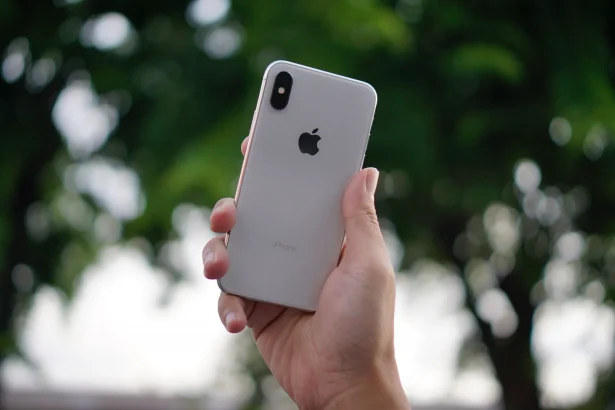
A person holding a smartphone in hand
Photo by Bagus Hernawan on Unsplash
Shares11FacebookTweetPinLinkedInPrint

Your phone goes everywhere you go — the kitchen counter, the gym, public transport, the bathroom — and then it goes straight back against your face. It picks up skin oil, make-up, food residue, pocket lint and whatever was on the last surface you set it down on. Cleaning it is one of those five-minute jobs that almost nobody does on a schedule.

The catch is that a phone is a sealed electronic device with a coated glass screen, so the wrong cleaning method can do real, permanent damage — a hazy screen that smudges forever, a corroded charging port, or liquid where liquid should never be. This guide covers exactly how to clean and disinfect an iPhone or Android phone the way the manufacturers themselves recommend, what to never let near it, and the parts of the phone most people forget entirely.

What you need to disinfect a phone safely

You do not need a special gadget or an expensive cleaning kit. The whole job is done with three things:

  • A soft, lint-free cloth. The microfibre cloth that came with a pair of glasses or a camera lens is ideal. Paper towels and tissues are abrasive enough to leave micro-scratches on glass and plastic.
  • A disinfecting wipe, or alcohol on a cloth. Apple explicitly approves 70% isopropyl alcohol wipes, 75% ethyl alcohol wipes, and Clorox Disinfecting Wipes for the hard exterior surfaces of an iPhone. That same concentration range is the safe standard for phones generally.
  • A little water. Apple’s own instruction is to finish by wiping the phone with a soft, slightly damp (water only), lint-free cloth, so no alcohol residue is left sitting on the surfaces.

What to keep away from your phone

This list matters more than the previous one, because these are the mistakes that cause damage you cannot undo:

  • Bleach and hydrogen peroxide. Apple says not to use products containing either one. They attack the screen’s coating and any plastic or rubber trim.
  • Window cleaner, kitchen surface spray and general household detergent. Ammonia-based cleaners are designed for uncoated glass, not for a treated phone display.
  • Spraying liquid directly onto the phone. Samsung’s guidance is to dampen a cloth with the disinfectant or alcohol solution and wipe gently — never to apply liquid onto the handset itself. Spray goes into the speaker grille, the charging port and the microphone holes.
  • Submerging the phone. Even a water-resistant, IP68-rated phone is rated for clean fresh water, not for a soak in a cleaning agent. Apple’s guidance is explicitly not to submerge the device in any cleaning agent.
  • Compressed air. A blast of canned air can force dust and moisture deeper into the speaker or port, and the propellant can come out cold and wet.
  • Anything abrasive. No scouring pads, no baking-soda paste, no toothpaste on scratches. Samsung specifically warns that abrasive materials and harsh chemicals can scratch the screen or damage the oleophobic coating.
  • Alcohol on fabric or leather. Apple’s disinfecting advice covers hard surfaces only and says not to use it on fabric or leather, so keep the wipes off woven and leather cases and bands.

How to disinfect an iPhone, step by step

Apple used to discourage cleaning products entirely and now publishes a specific disinfecting procedure. Follow it in this order:

  1. Unplug the phone from the charger or any cable.
  2. Power it off. A dark, unresponsive screen makes smudges visible and stops you triggering things as you wipe.
  3. Take the case off and set it aside — you will clean it separately, because the case and the phone may need different treatment.
  4. Dry-wipe first. Go over the whole phone with the dry microfibre cloth to lift loose dust and grit. Wiping grit around with a wet cloth is how screens get scratched.
  5. Disinfect the hard exterior surfaces. Using a 70% isopropyl alcohol wipe, a 75% ethyl alcohol wipe or a Clorox Disinfecting Wipe, gently wipe the screen, back and sides. If you are using liquid alcohol rather than a pre-moistened wipe, put it on the cloth, not on the phone.
  6. Stay out of the openings. Do not let moisture get into the charging port, the speaker grille, the microphone holes or the SIM tray.
  7. Finish with a slightly damp cloth. Wipe the phone down with a soft, lint-free cloth dampened with water only, then let it air-dry completely before you put the case back on or plug anything in.

Two things to keep in mind while you do it. First, be gentle and be brief — the screen has an oleophobic (oil-repelling) coating that is what makes fingerprints wipe off so easily, and scrubbing hard or repeatedly soaking it in alcohol wears that coating away. Once it is gone, the screen smudges more and never quite wipes clean again. Second, never plug in a phone that is still damp; wait until the port is fully dry.

How to clean an Android phone

The method is essentially the same, with one difference in emphasis: Samsung frames its advice around dampening the cloth rather than around pre-moistened wipes. Samsung tells Galaxy owners it is fine to dampen a cloth with a disinfectant or alcohol-based solution and wipe gently, but not to apply liquid onto the phone directly.

  1. Unplug the phone and power it off, then remove the case.
  2. Dry-wipe the whole device with a microfibre cloth.
  3. Dampen — not soak — a corner of the cloth with an alcohol-based solution in the 70–75% range.
  4. Wipe the screen and body gently, working in one direction rather than scrubbing in circles.
  5. Wipe again with a water-damp cloth, then dry, then leave it a few minutes before charging.

If your Android phone has a plastic or “glasstic” back rather than glass, be even more conservative with alcohol: painted and coated plastics can dull or discolour with repeated harsh cleaning. Folding phones deserve extra care too — clean the inner flexible display with a dry or barely-damp cloth only, and keep liquid out of the hinge entirely.

Clean the case, not just the phone

Cleaning a phone and putting it straight back into a grimy case defeats the exercise. The case is usually the dirtiest part of the whole assembly, and it is also the part you can be rough with.

  • Silicone and hard plastic cases: wash with warm water and a little dish soap, rinse, and dry completely — inside and out — before the phone goes back in. Trapped moisture between case and phone is a slow-corrosion problem.
  • Clear TPU cases: soap and water works, but note that the yellowing you may be trying to scrub out is UV ageing of the material, not dirt. It does not come off.
  • Leather and fabric cases: keep alcohol and soap away. Use a dry cloth, or a leather-specific product if the maker recommends one.
  • Screen protectors: a tempered-glass protector takes cleaning far better than the screen underneath it, and it is cheap to replace. If yours is scratched or hazy, replacing it is the fastest “screen clean” there is.

The parts everyone forgets

Most people wipe the screen and stop. These are the spots that actually hold the most build-up:

  • The earpiece and speaker grilles. Lint compacts in here and muffles calls. Use a soft, dry toothbrush or a clean dry brush and work gently across the mesh — not a pin or a paperclip, which pushes debris in and can puncture the mesh.
  • The charging port. A pocket-lint plug is the single most common cause of “my cable has stopped working.” Power the phone off, and use a wooden or plastic toothpick to lift the compacted lint out — carefully, and never anything metal.
  • The camera lenses. A greasy rear lens is why photos look soft and hazy in bright light. A dry microfibre wipe fixes it in seconds.
  • The area around the frame. Grime collects along the seam between glass and frame and at the button edges. A cotton swab, barely damp, gets into it.

Are UV phone sanitizers worth buying?

UV-C sanitizing boxes are a genuine technology, not a gimmick — Samsung has run in-store Galaxy Sanitizing Services using UV-C light across a number of countries, and says it tested the UV-C exposure and found it does not damage or affect device performance. The appeal is obvious: no chemicals, no rubbing, no risk to the oleophobic coating.

Two caveats are worth knowing before you spend money. First, even Samsung does not promise total disinfection — the company has been clear that it cannot guarantee UV-C treatment kills every germ, bacterium and virus on a phone, and that results vary because different stores use different third-party hardware. The same variability applies to consumer UV boxes, whose lamp strength and exposure time you generally cannot verify. Second, UV light only reaches surfaces it can actually shine on, and it does nothing about the visible grease and lint that are probably your real complaint.

A reasonable conclusion: a UV sanitizer is a nice extra if you want a chemical-free option or you share devices, but a microfibre cloth and an approved alcohol wipe do the important work for a fraction of the price.

How often should you clean your phone?

  • A quick dry wipe: daily. Ten seconds with a microfibre cloth keeps the screen and camera lens clear.
  • A proper disinfecting clean: weekly under normal use — and immediately after you have been ill, been in a hospital or clinic, handled the phone while cooking with raw food, or lent it to someone else.
  • Case off, ports brushed out: monthly. This is the one that prevents charging problems.

Resist the urge to disinfect several times a day with alcohol. The coating on the screen is consumable, and frequent alcohol contact is what uses it up fastest. Habit changes do more than extra cleaning does: wash your hands, keep the phone off restaurant tables and out of the bathroom, and use a headset or speakerphone so the screen spends less time against your skin.

Frequently asked questions

Can I use hand sanitizer to clean my phone?

It is not a good substitute. Hand sanitizer gel contains moisturisers, thickeners and fragrance in addition to alcohol, and those additives leave a film on the screen and can get into the openings. Use a proper alcohol wipe or alcohol on a cloth instead.

Will alcohol wipes ruin my screen?

Used occasionally and gently at the 70–75% concentrations Apple approves, no — that is Apple’s own published method. What damages the screen is scrubbing hard, wiping for a long time, or disinfecting many times a day, all of which wear down the oleophobic coating. Higher-strength alcohol is not better here; it is harsher.

My phone is waterproof — can I just rinse it?

Don’t. An IP rating is tested against clean fresh water under controlled conditions, and water resistance degrades with age, drops and repeated charging-port wear. It also is not a rating for cleaning agents. Apple’s guidance is not to submerge the device in any cleaning agent, and that is the safe rule regardless of brand.

How do I clean a phone with a cracked screen?

Dry cloth only. A crack is an open path straight into the display assembly, so any liquid — water or alcohol — can wick under the glass and kill the panel or the touch layer. Get the glass replaced before you clean it wet.

What about my earbuds and smartwatch?

Same principles, more caution. Wireless earbuds have acoustic mesh that must not get wet; clean them with a dry brush and wipe only the hard plastic body. For a smartwatch, wipe the hard case and remove the band first — and remember Apple’s warning about not using disinfecting wipes on fabric or leather, which rules them out for woven and leather bands.

The short version

Power the phone off, take the case off, dry-wipe it with microfibre, go over the hard surfaces with a 70% isopropyl or 75% ethyl alcohol wipe (or Clorox Disinfecting Wipes), finish with a water-damp lint-free cloth, and let it dry fully before charging. Keep bleach, hydrogen peroxide, window cleaner, compressed air and direct spray away from it, wash the case separately, and brush the lint out of the charging port once a month. That is the entire job — and doing it that way means you get a clean phone without quietly ruining the screen in the process.


Related reading

  • Common Smartphone Issues and Their Respective Solutions
  • Ways to transfer photos from iPhone to an external hard drive

Filed Under: Mobile Tagged With: Coronavirus, How-To, iPhone

Related Stories

  • Samsung Galaxy Note 7 Review

    Samsung Galaxy Note 7 Review

  • Samsung Galaxy S7 Review

    Samsung Galaxy S7 Review

  • A Preview Of The Iphone 7

    A Preview of The iPhone 7

Shares11FacebookTweetPinLinkedInPrint
Avatar for Muhammad Abdullah

Muhammad Abdullah

Senior Tech Correspondent

Muhammad Abdullah is a Senior Tech Correspondent at TechEngage with over 320 published articles spanning social media platforms, mobile apps, operating systems, and industry events. A computer scientist turned tech writer and certified Growth Hacker, Abdullah breaks down complex digital trends into practical insights readers can act on.

Joined October 2018

Reader Interactions

Share Your Thoughts Cancel reply

Please read our comment policy before submitting your comment. Your email address will not be used or published anywhere. You will only receive comment notifications if you opt to subscribe below.

Primary Sidebar

Follow us on Google News

Recent Stories

  • Letter Boxed Hints Today: Clues and Answer for July 30, 2026
  • Spelling Bee Hints Today: Clues and Answer for August 1, 2026
  • Octordle Hints Today: Clues and Answer for August 2, 2026
  • Contexto Hints Today: Clues and Answer for August 2, 2026
  • Waffle Hints Today: Clues and Answer for August 2, 2026

Footer

Discover

  • About TechEngage
  • Newsroom
  • Our Team
  • Advertise
  • Send us a tip
  • Startup Submission Questionnaire
  • Brand Kit
  • Contact us

Legal pages

  • Reviews Guarantee & Methodology
  • Community Guidelines
  • Corrections Policy and Practice
  • Cookies Policy
  • Our Ethics
  • Disclaimer
  • GDPR Compliance
  • Privacy Policy
  • Terms and Conditions

Must reads

  • Best AirPods alternatives on Amazon
  • Best PC monitors for gaming on Amazon
  • Best family board games
  • Best video doorbells without subscription
  • Best handheld video game consoles
  • Best all-season tires for snow
  • Best mobile Wi-Fi hotspots
  • Best treadmills on Amazon

Download our apps

TechEngage app coming soon on App Store

© 2026 TechEngage®. All Rights Reserved. TechEngage® is a project of TechAbout LLC.

TechEngage® is a registered trademark in the United States under Trademark Number 6823709 and in the United Kingdom under Trademark Number UK00003417167. It is also ISSN protected under ISSN 2690-3776 and has OCLC Number 1139335774.