

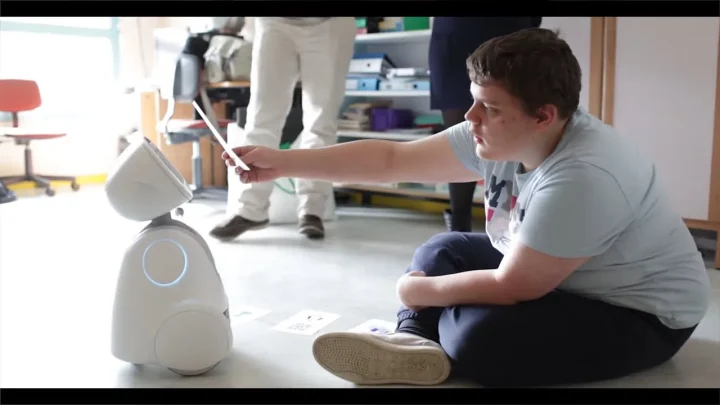
AI is helping kids with Autism.
Autism is a complex neurobehavioral disorder. It is truly a poignant condition that falls under the umbrella term of Autism Spectrum Disorder (ASD). ASD encompasses various challenges, such as struggles with social interaction, difficulties in communication, and a tendency to engage in limited and repetitive behaviors. The spectrum encompasses a wide range of behaviors and symptoms, differing in severity based on how they present in individuals. Additionally, ASD can also be associated with other neurological and systemic indications. This multifaceted disorder profoundly impacts those affected and requires careful understanding and support.
Behavioral Distinctions in the autistic Children
In normal developmental milestones, infants are social by nature. However, in contrast, those with autism start developing symptoms at a younger age, typically between 8 and 10 months. One of the key indicators is their failure to respond to their names. Additionally, they tend to show decreased interest in people, delayed babbling, difficulty engaging in social games, aggressive behaviors, delayed language development, and limited use of gesture learning for communication. Moreover, they often exhibit repetitive movements, such as hand flapping, rocking, and jumping, as a part of their behavioral patterns. These are some of the notable characteristics associated with autism.
The diagnosis
Mostly, the patients are diagnosed by two years of age, and these years are also crucial for therapeutic intervention. Additionally, the earlier the intervention is initiated in the developmental years, the more effective it becomes. This process entails a multidisciplinary approach and is sustained throughout childhood. It is addressed through the implementation of three objectives which essentially define the success of the intervention. Furthermore, it is important to note that the success of therapeutic intervention heavily depends on the timely diagnosis of patients within the first two years of their lives.
Objectives which are meant to be achieved include the communication objectives, social objectives, behavioral objectives, and other related goals. In the realm of communication objectives, it entails fostering and enhancing essential communication skills that facilitate effective exchange of ideas and viewpoints. Furthermore, it also involves honing the art of interaction with peers, as well as exploring and understanding non-verbal communication nuances such as gestures and interpretation of facial expressions. When it comes to social objectives, the focus is primarily on establishing and nurturing meaningful friendships, engaging in engaging conversations, and fostering empathy in various social interactions. By prioritizing these objectives, individuals can cultivate a sense of connection and understanding within their social circles. Lastly, in the domain of behavioral objectives, the main objective revolves around identifying and controlling repetitive movements. By addressing and managing these behavioral patterns, individuals can establish a foundation for positive personal development and growth.
Therapies to resort to
Various therapies address the aforementioned objectives. No therapy is universally effective. What works for one child may not work for others. Therapies encompass Speech-Language therapy, Verbal Behavioral Therapy, Applied Behavioral Response therapy, Pivotal Response treatment, Floortime, Relationship Developmental Intervention, Occupational Therapy, Physical Therapy, Social skills development, Auditory Integration Therapy, and other medical interventions.
Despite the interventions and efforts of educators, therapists, and para professionals, evidence-based data indicate that children with autism do not live the same life as their non-disabled peers. Furthermore, the need for stronger intervention is evident, as CDC data has shown an increase in the incidence of autism from 1 in 68 to 1 in 59 in the United States.
Robots for the autistic children
Educators and researchers are now introducing the use of technology in the form of Robots for this robust intervention. They have already got good results after this robotic interaction with autistic children and they have great hope this will go miles in the future of autism spectrum disorder treatment.
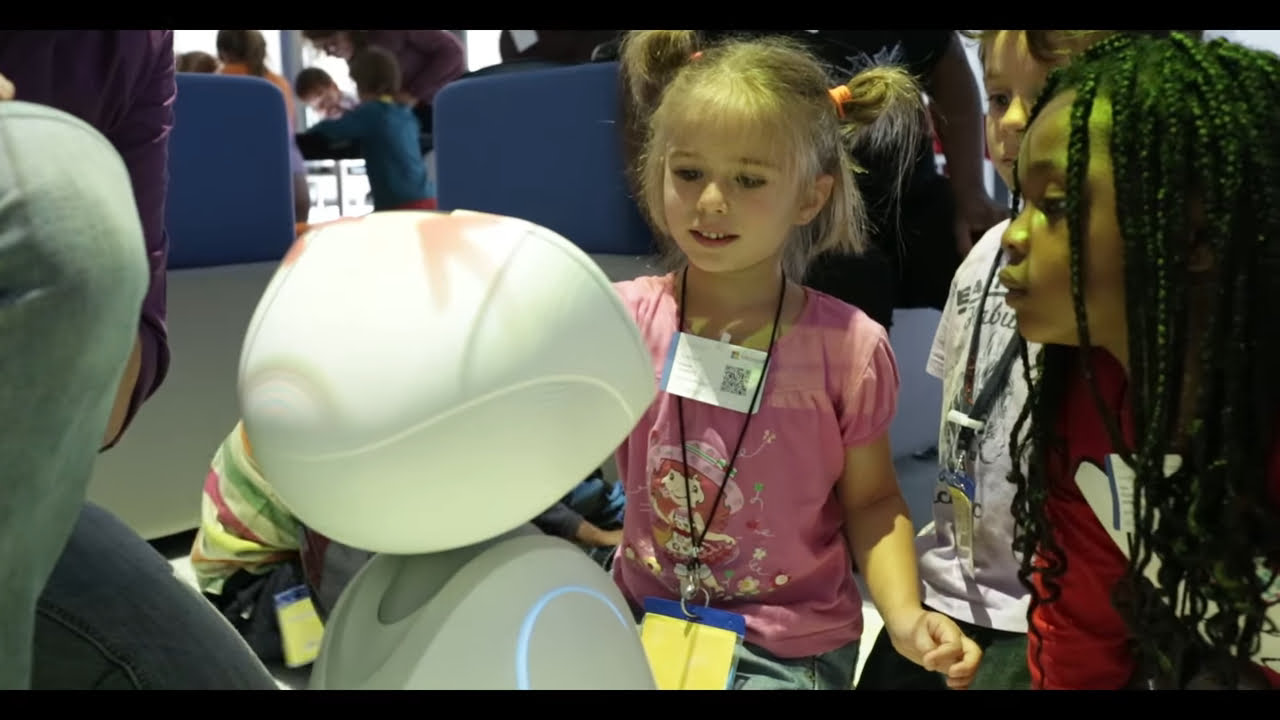
Robotic interaction with patients of autism has been done in various forms and have been tried in schools with fruitful results. Some classrooms have used Bee Bots, some have used sphere but there are humanoid robots as well which are increasingly used now. Another concern of social robots is that they are still therapist dependent as they are remote controlled and require a lot of time and energy.
Therefore, the Development of Robot-Enhanced therapy will design robots that can operate autonomously and help the therapist to improve the child’s social interaction skills, such as turn-taking, imitation, and joint attention.
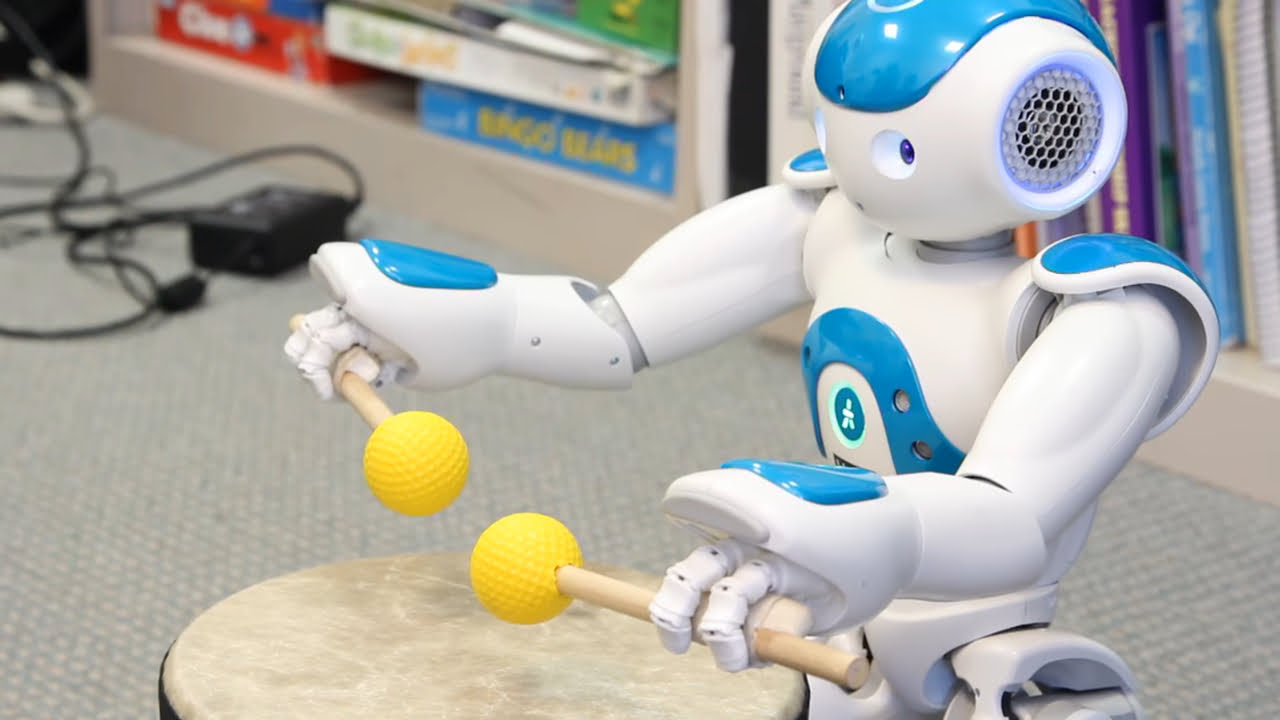
The DREAM Project aims to develop an autonomous robot that minimizes the therapist’s intervention so they can focus more on the child and improve the outcome of the therapy. The main task of the University of Portsmouth research group is to capture and analyze sensory data from the children – motion gestures, gaze, facial expressions, sound and voice and make the robot understand what the child is doing so then they can have a better interaction.
Are these robots really going to help?
The benefits that have been seen by robotic interaction with autistic children are outstanding. This one-on-one interaction has helped the autistic child from being withdrawn and isolated to laughing, dancing and singing at school. It has also helped the child getting eye contact and sustain more complex social interactions. Other than this, great benefits of maintaining self -control, self-regulation when frustrated or distressed have also been achieved. Humanoid based robots with facial expressions teach the autistic child to recognize important facial cues and obviously, these robots never get tired or lose patience.
Moreover, these robots are fun and out-of-the-ordinary.
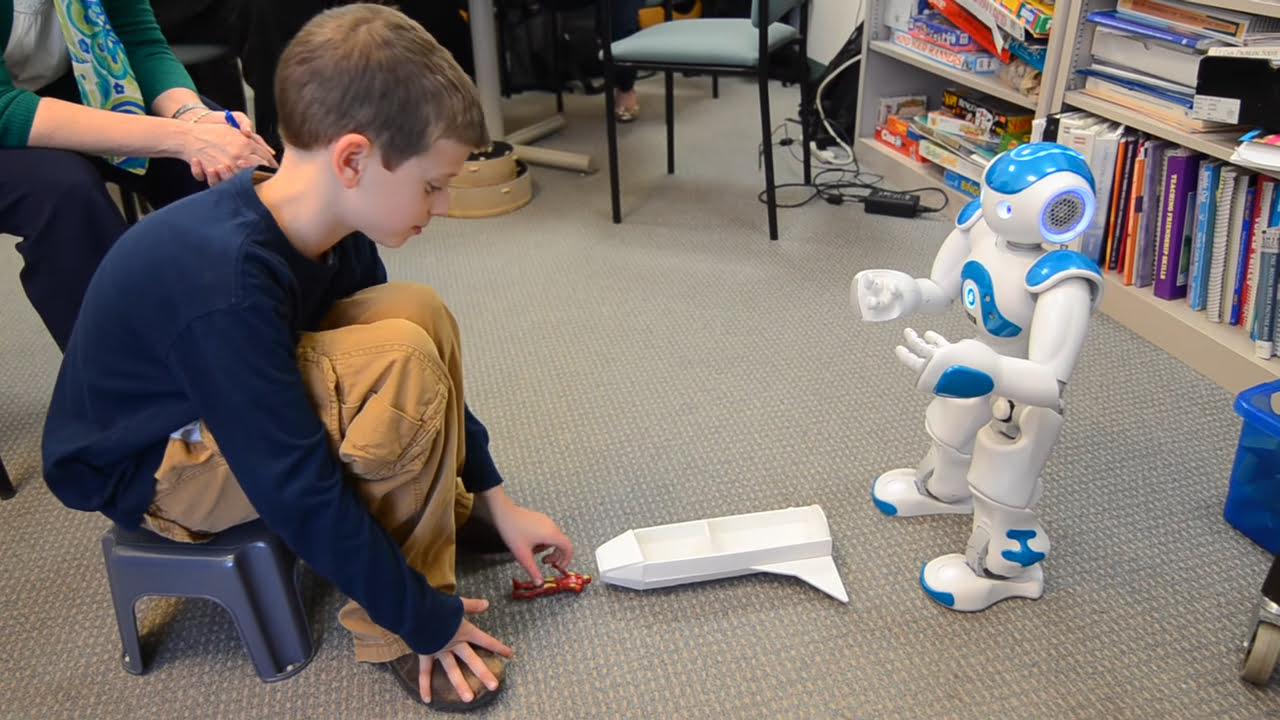
Further, these robots have also helped in an emotional build-up of the child as well because these robots are designed to remain focused on the directions without major distractions or feeling agitated. They have built a stronger sense of control and autonomy and have made an autistic child more social and sharing experiences with others by replicating the actions of robots. Due to these robots, there has been more class-time spent learning.
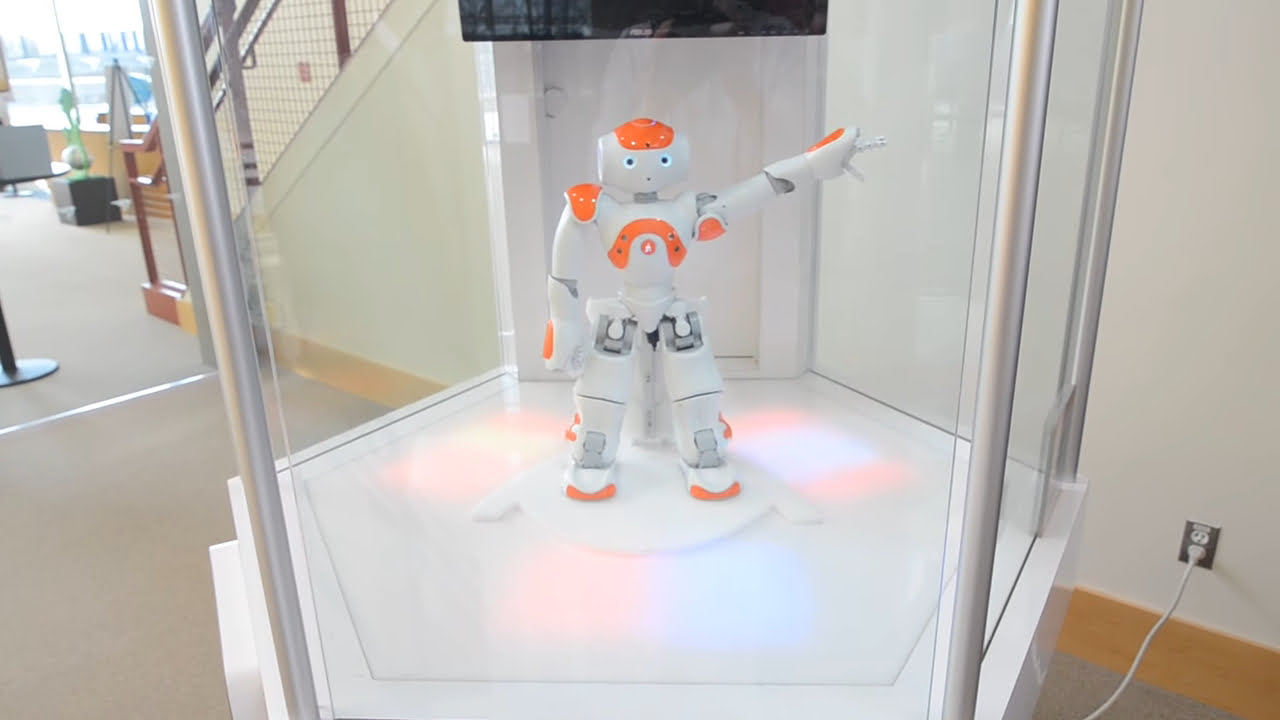
Therefore, it can be clearly depicted that these robotic interactions can help improve the quality of life of these autistic children for sure. Moreover, robots are consistent and predictable. The need of the hour is to use the collaboration of scientists and engineers to make these robots more accessible and affordable i.e. the use of technology for the service of mankind.
What does the future entail?
The use of artificial intelligence in the form of these robots for the diagnosis of autism spectrum disorder is also under proposition. Another thing for consideration is the use of home-based small personal robots for the treatment of these patients. The objective behind this consideration is the long-term companionship of these robots with the autistic child. This can better facilitate the child at home, in school, or anywhere, helping them develop their skills of learning, socializing, creativity, and play. Moreover, these robots can play a crucial role in enhancing the child’s overall well-being and quality of life.




Well written