

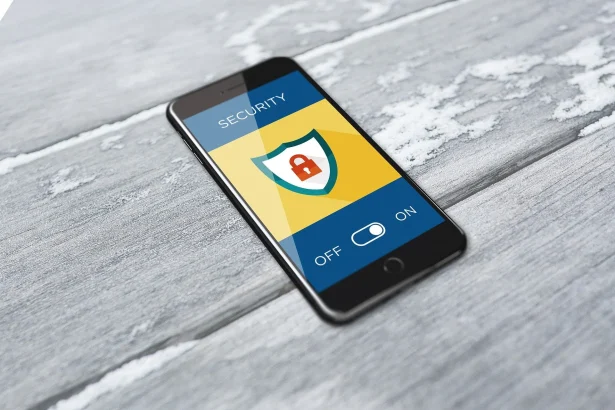
To say that this is the era of smartphones is an understatement. We’ve come to a point in our society that smartphones are the norm when it comes to communication. When you don’t have a smartphone, you’re deemed so out of touch that you may as well be living in another time.
Statistics show that almost half of the world’s population owns a smartphone. A whopping 90-95% of these smartphones have connected to the Internet at one point in time. Kids these days have grown with tablets and screens and digital content. That’s why curbing time away from these screens is a significant issue that has risen.
A smartphone isn’t just a phone. It’s everything you need in your hands. It can fetch your food, teach you lessons, entertain you, and can be used to create your expression. People use their smartphones so much these days that businesses and other vital parts of life have also joined the bandwagon. Even hackers are becoming more adept at infiltrating these devices. So to protect your phone from brute force attacks, here are some things you can do:
1. Keep your operating systems up to date
Make sure you always update to the latest version of your operating system. For starters, operating systems are the brain and soul of your smartphones. If you have an iPhone, it’s iOS. For other smartphones, it’s Android. These operating systems are regularly updated by Apple and Google to keep up with the technology and security updates that are happening in the real world.
Most smartphones have an automatic install option for when a new version of the OS comes out. Turn this on, so you don’t have to think about it. You never need to check for updates anymore or be prompted when you need to update. It will make your life easier.
Pro tip: Automatic updates happen when you sleep and will only be activated if your phone has a 60% battery and up. Safe to say, make it a habit to leave your phone at more than 60% every time you sleep. This applies to app updates as well. If you can, install firewalls in your phone to minimize further attacks.
2. Be wary of what you install
In a world of apps and games, it can be straightforward to add any app that you may fancy. Don’t. Always exercise caution in installing apps. While the App Store and Play Store generally vouch for all of the apps on their roster, sometimes some cases won’t be flagged for potentially dangerous behavior.
The way most free apps are designed is to hold adverts inside to generate revenue. By default, apps will need access to your photos, microphone, camera, etc. to do what they’re intended to do. Some unscrupulous developers have devised a way to make an app a trojan horse to get precious data. Be on the lookout for those.
Also: How to install APK files on your Android phone
Don’t install an app because everyone is doing it. Always make sure that it’s vetted and does not steal your data or undermine your operating system’s security features. Most apps that are suspected are those that generate so much social media hype. So be careful.
3. Set-up a track and lock
Always secure your phone like it will be taken out of your hands the next minute. Use passcodes, face lock features, and other necessary privacy measures to keep your data secure. This is especially true when you do banking on your phone. Or if you’re fond of online shopping, as well.
Set up a track and lock app, or activate your phone’s Find My feature. This will let you know where your phone is when it’s stolen. There are potent apps out there that do this. Pay if you must to make sure your data is safe. The most dangerous thing that can happen when your smartphone is stolen is when you can’t delete your information on it remotely. So, set this feature up every time you get a new phone or switch to another.
4. Takeaway
Protecting your smartphones from any form of attack, may it be internal (read: from apps), or external – hackers are equivalent to protecting your life. Most people can’t function without their smartphones – it’s an extension of their lives, their work, their social interaction. Heed these tricks, so you don’t have to think about hackers gaining your personal information!

Share Your Thoughts