

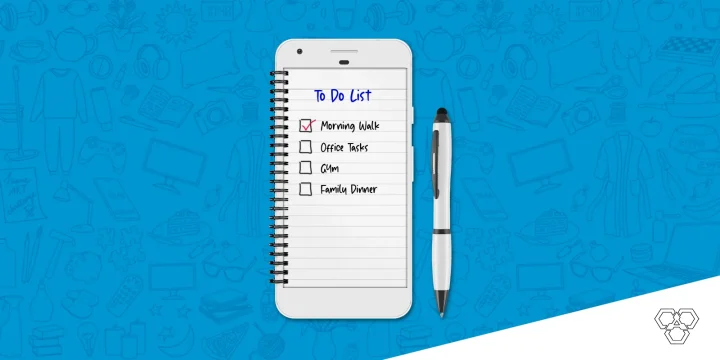
Most productivity advice boils down to the same thing: write it down. The problem is that a scattered mix of sticky notes, random phone memos, and half-finished notebook pages creates more chaos than clarity. A dedicated to-do list app solves this by giving every task a home, a deadline, and (in many cases) a team to share it with.
The category has matured significantly since basic checklist apps first appeared. Today’s options range from stripped-down minimalists that do one thing well to full-blown project management platforms disguised as task apps. Picking the right one depends on whether you need cross-platform sync, team collaboration, calendar integration, or simply a place to dump your grocery list before you forget the milk.
After testing dozens of options across Android, iOS, Windows, and macOS, these ten stood out for different reasons. Some win on simplicity. Others dominate in features. A few take genuinely creative approaches to the age-old problem of getting things done.
10 Best To-Do List Apps
1. Microsoft To-Do
Microsoft To-Do inherited the DNA of Wunderlist after Microsoft acquired and eventually retired it. The result is a polished, cloud-synced task manager that plugs directly into Microsoft 365 and Outlook. Tasks created in Outlook show up in To-Do automatically, and vice versa. For anyone already embedded in the Microsoft ecosystem at work or school, this seamless handoff eliminates the friction of maintaining separate systems.
The “My Day” feature deserves special mention. Each morning, the app presents a clean slate where you pull in tasks from your broader lists. It forces a daily prioritization habit without requiring any complex setup. Lists can be organized by day, week, or project, and shared lists make it easy to coordinate household chores or small team tasks.
Available on Android, iOS, Windows, macOS, and the web. Completely free with a Microsoft account.
2. Todoist
Todoist has been around since 2007, and that longevity shows in the depth of its feature set. Natural language input lets you type something like “submit report every Friday at 3pm” and the app parses the date, time, and recurrence automatically. Projects, sub-tasks, priority levels, labels, and filters give power users the granularity they want without overwhelming casual users who just need a simple list.
The free tier covers up to 5 active projects and 5 collaborators per project. The Pro plan ($5/month) unlocks reminders, calendar feeds, and 300 active projects. Business pricing adds team admin tools and a shared workspace. Browser extensions exist for Chrome, Firefox, and Safari, and there are native apps for essentially every platform including Wear OS and Apple Watch.
What sets Todoist apart from competitors is the “karma” system that gamifies productivity by tracking your completed tasks and streaks over time. Small touch, but surprisingly motivating.
3. Any.do
Any.do keeps things lean. The interface is clean enough that you can add a task in under two seconds, which matters more than most people realize. The faster it is to capture a thought, the more likely you are to actually use the app consistently.
Voice entry is the standout feature here. Speak your task aloud and the app transcribes and saves it. Useful when driving, cooking, or any situation where typing feels like a chore. The built-in calendar view merges your schedule with your task list on a single screen, so you can see what needs doing alongside the meetings and appointments already blocking your day. Any.do also offers a “Moment” feature that prompts you each morning to review and plan your tasks for the day ahead.
Works on Android, iOS, macOS, Windows, Chrome, and the web. The free version handles basic lists; the Premium plan ($5.99/month) adds recurring tasks, color tags, location-based reminders, and WhatsApp integration.
4. Habitica
Habitica turns your to-do list into a role-playing game. Complete a task, earn experience points and gold. Skip one, and your avatar takes damage. It sounds gimmicky on paper, but the approach has built a genuinely dedicated community of users who find that traditional productivity apps never stuck.
Tasks are split into three categories: habits (things you want to do more or less of), dailies (recurring routines), and to-dos (one-off tasks). The RPG layer includes pets, armor, quests, and party challenges where groups of friends tackle goals together. Failing to complete your dailies during a group quest hurts your entire party, which adds real social accountability.
Free on Android and iOS with a web app. The optional subscription ($4.99/month) adds cosmetic perks and extra features, but the core gamification works without paying.
5. nTask
nTask blurs the line between a personal to-do list and a team project management tool. If your task management needs extend beyond “buy groceries” into territory like tracking deliverables, assigning work to colleagues, and monitoring project timelines, this app fills that gap without requiring the complexity of a full enterprise platform like Jira or Monday.com.
- Gantt charts for visualizing project timelines and dependencies
- Task assignment with status tracking (open, in progress, completed, overdue)
- Built-in meeting management with agenda templates and follow-ups
- Risk and issue tracking modules for teams that need formal project oversight
The free plan supports up to 5 team members with unlimited tasks and workspaces. Premium starts at $4/month per user and adds time tracking, Gantt charts, and Slack integration. Available on Android, iOS, and the web.
6. TeuxDeux
TeuxDeux appeals to a very specific type of person: someone who wants a beautiful, minimal to-do list and nothing else. No Gantt charts. No team collaboration. No AI scheduling. Just a clean weekly calendar view where you type tasks under each day and drag them around as needed.
Unfinished tasks automatically roll forward to the next day. Recurring tasks are handled with a simple syntax. Markdown support means you can add links and basic formatting. The design is intentionally opinionated, favoring simplicity over feature bloat, and that restraint is exactly why its users tend to be fiercely loyal.
No free tier here. TeuxDeux costs $4/month (or $36/year) after a 30-day trial. Available on iOS, Android, and the web. The lack of a free plan filters out casual users, but for the audience it targets, the minimal approach justifies the price.
7. Google Keep
Google Keep is technically a note-taking app, but millions of people use it as their primary to-do list. The approach is visual: color-coded cards pinned to a board, each containing a checklist, note, image, or drawing. It feels less like a task manager and more like a digital corkboard, which works surprisingly well for people who think visually rather than linearly.
Location-based reminders are a standout feature. Set a reminder on your grocery list to trigger when you arrive at the store. Time-based reminders work too, and everything syncs through your Google account across Android, iOS, Chrome, and the web. The widget on Android is particularly useful, placing your current checklists on the home screen where they stay visible throughout the day.
Entirely free. No premium tier, no feature gates. If you already live in the Google ecosystem and want a zero-friction capture tool, Keep is hard to beat.
8. Remember The Milk

One of the oldest dedicated to-do apps still actively maintained, Remember The Milk has been quietly refining its feature set since 2005. It lacks the visual polish of newer competitors, but makes up for it with deep integration options and a uniquely powerful smart list system. Smart lists use search operators to create dynamic filtered views of your tasks, so you can build a view like “all high-priority tasks due this week that are tagged work” without manually sorting anything.
The app integrates with Microsoft Outlook, Gmail, Google Calendar, Evernote, and IFTTT. Tags, custom priority levels, and subtasks keep things organized. Offline access means your lists stay available even without connectivity. The Pro plan ($49.99/year) adds unlimited smart lists, subtasks, and colored tags. The free tier is functional but limited to basic list management.
Available on Android, iOS, macOS, Windows, Linux, and even legacy platforms like BlackBerry. The breadth of platform support reflects the app’s long history and committed development team.
9. Google Tasks
Where Google Keep is a visual corkboard, Google Tasks is the structured list. Tasks created in the app appear as calendar events in Google Calendar. Emails in Gmail can be dragged directly into the Tasks sidebar to become action items. This tight integration within Google Workspace makes it the obvious choice for anyone already managing their day through Gmail and Calendar.
The feature set is deliberately slim: lists, sub-tasks, due dates, notes, and drag-and-drop reordering. That minimalism is the point. Google Tasks exists for people who want task management baked into tools they already use, not bolted on as a separate app they have to remember to open. There is no premium plan, no subscription, and no ads. Available on Android and iOS as a standalone app, and embedded within Gmail and Google Calendar on the web.
10. Eisenhower
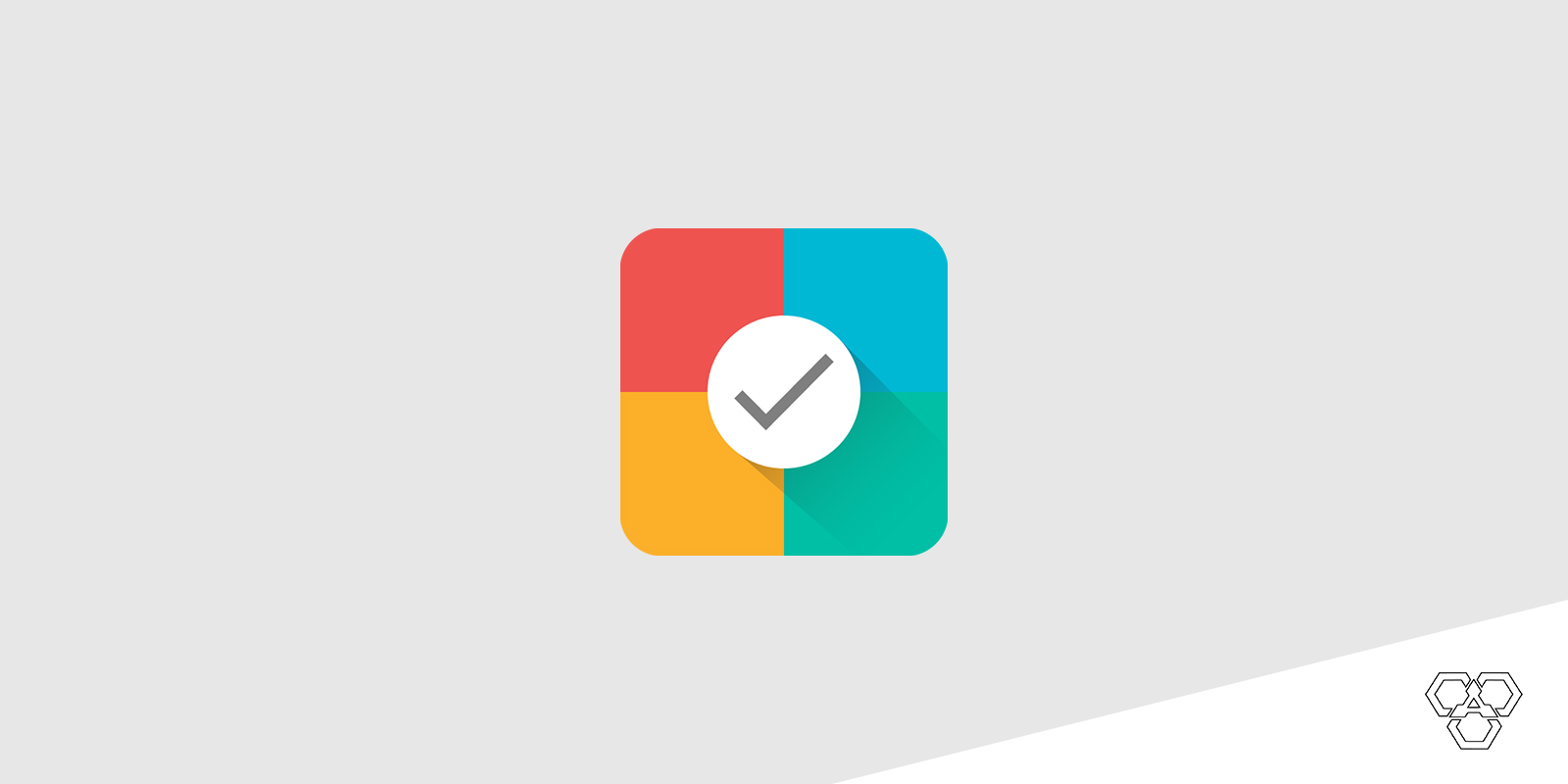
Named after President Eisenhower’s famous prioritization method, this app structures everything around a four-quadrant matrix: urgent and important, important but not urgent, urgent but not important, and neither. Every task you add lands in one of these boxes, forcing a conscious decision about what actually deserves your time versus what just feels pressing.
The Focus Timer feature lets you allocate dedicated blocks of time to specific tasks. Once the timer runs, other quadrants fade away so you can concentrate. Tasks can be assigned to collaborators and tracked with email alerts. Cloud sync keeps everything accessible across devices.
The web version is free. The iOS app is a paid download. No Android app exists, which is a notable limitation. For anyone drawn to the Eisenhower Matrix framework and willing to work within a web-plus-iOS setup, though, the focused approach here is hard to replicate in a general-purpose task app.
How to Pick the Right To-Do App
The best to-do list app is whichever one you actually open every day. Features matter far less than friction. If adding a task takes more than a few seconds, you will eventually stop using the app regardless of how powerful it is.
For Microsoft 365 users, Microsoft To-Do is the obvious starting point. Google Workspace users should try Google Tasks first. Anyone wanting a standalone powerhouse will land on Todoist. If gamification keeps you motivated, Habitica is unmatched. And if you manage a team, nTask offers genuine project management depth without enterprise pricing.
Every app on this list offers a free tier or trial. Test two or three for a week each before committing. The goal is finding the one that matches how your brain already works, not forcing yourself into someone else’s productivity system.




Great list! I’ve tried almost everything from it, but now definitely will check out Habitica and Eisenhower. My last find is https://tweek.so, it’s also nice to-do app.
While this is a no-brainer, downloading a to-do list app on your phone allows you to at first, get rid of your notepads and sticky notes from taking over your workplace! If you are avid list keeper, then chances are you might forget checking the sticky note that you placed on the soft board a few days ago.
Thanks for the article! Surprisingly, I haven’t heard of some of these apps before, and definitely need to try some later. Another great app I find very handy is Bordio https://bordio.com/. It’s an excellent tool for tracking activities, categorizing tasks, and setting time limits.