

When the #10YearChallenge began on social media a few days ago, it seemed like a harmless trend. The challenge was to post one recent picture alongside a photo from ten years ago (or your first and most recent profile photo). An estimated 5.2 million people participated in the challenge.
The challenge spread across social platforms, where people shared side-by-side comparisons and jokes about how they had changed.
The 10-year challenge has followed the social media trend blowing up and then burning out just a few short days or a week or two (at most) later. Now that the 10-year challenge is dying down, the whole endeavor is under scrutiny and tech experts are asking some interesting questions about it.
Kate O’Neill, the author of Tech Humanist: How You Can Make Technology Better for Business and Better for Humans made an interesting point that soon went viral just like the meme.
Her observation raised a question about how clearly dated photographs could be used. That possibility did not establish that Facebook created the challenge or used its posts to train a particular system.
Arguing “For”
As the hype around the ten-year challenge dies down, the debate rages on. Whether Facebook deliberately benefited from the challenge is unclear.
When the tweet got traction on social media, O’Neill penned an article for Wired, explaining further. Her basic argument is that Facebook has a lot to gain by using the challenge to train its facial recognition AI to understand how faces age.
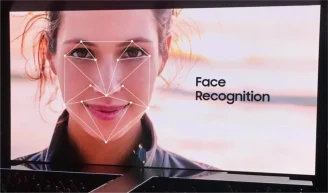
While many people argued that Facebook already had this data, participants served it to them on a silver platter: O’Neill made the point that Facebook would have had to do a lot of work to sift through and categorize the photos otherwise. People often don’t put up their pictures in chronological order or use their own photos as profile pictures. Moreover, the date on which they upload the pictures does not match the dates when they took the pictures. Even the EXIF data is not reliable for this detailed information. On the other hand, people using a hashtag and putting accurate data side-by-side is a gold mine for facial recognition AI algorithms.
Arguing “Against”
The primary argument against the possibility of Facebook running an experiment (or possibly using the data later) is that the social media giant already has all the data it needs and the meme data constitutes a relatively small dataset.
The social media platform has been around for ages. Its user database consists of around two billion users. In the words of experts, the data from this challenge is nothing but drops in the bucket of data Facebook already sits upon.
Of course, these arguments “against” aren’t really defending Facebook, only pointing out that we are culpable in handing over so much of our own data that this meme alone is likely not going to do any more harm.
Facebook denied playing a role in starting the challenge. O’Neill’s argument about possible uses of labeled photos was a privacy concern, not evidence that a specific covert experiment had occurred.
Conclusion
Facebook has a shady history of data privacy and is at the center of numerous scandals involving the misuse of users’ personal data. Facebook has allegedly gone as far as deliberately giving away its users’ data to other tech companies.
The privacy question remains worth examining, but a plausible use of data is different from proof of what happened. Facebook’s existing facial-recognition features had separately prompted scrutiny over what they’ve already told users they would do with their photos all along.
Jennifer Lynch, the director of surveillance litigation for the Electronic Frontier Foundation which is a digital rights group, said:
“The threat to privacy has become real to people in the last year. My hope is that people will become concerned about this vast face recognition database that Facebook has amassed and push back on Facebook, turn off face recognition in our Facebook profiles, and push for strict privacy laws at the state and federal levels.”
Before posting comparison photos, consider what dates, locations and other personal information they reveal, and review who can see them.
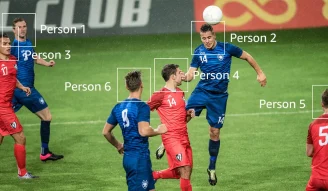
In an age where – from airports to grocery stores – everyone is using facial recognition tech to aid in identifying people, the future of data privacy seems extraordinarily bleak.
It’s another case of technology that has the potential to be of great service to humanity, but at a cost, we might not be comfortable with.



Share Your Thoughts