
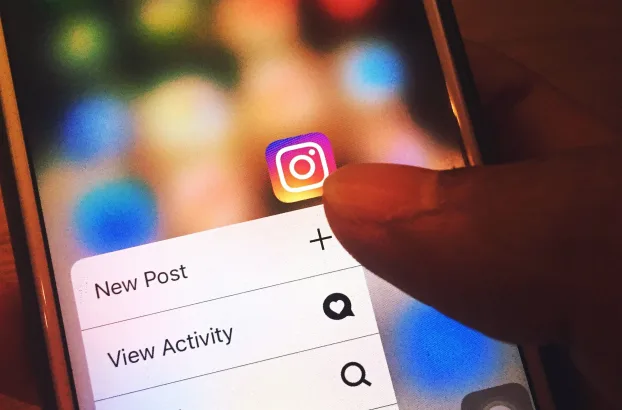
In light of the recent Tree of Life Synagogue shooting in Pennsylvania US, an Instagram search of ‘Jews’ promptly gave a staggering 11,696 hits (New York Times). These posts all consisted of horrifyingly anti-Semitic pictures. Most of these posts also had a ‘Jews did 9/11’ hashtag. This new wave of religiously fueled hate has also been seen in similar patterns across other social media platforms.
Conspiracy theories in the past have, however, been historically connected more often with Twitter and Facebook. Religious hate overflowing into Instagram as well raises more serious questions on what authorities within and outside the company headquarters are doing to quell it.
Over the last decade, the social media companies of Silicon Valley have ruled over the telecommunications world. In their passion and drive for greater impact, they have successfully reached and influenced the lives of millions all over the world. A persistent growth in the number of social media users is testimony enough to that fact.
However, in this outreach, the developers have made the glaring mistake of giving hatemongers the greatest gift of all; a medium to spread hate. The idea that people associated with the integration of social media into people’s lives had no preparations on how to control any potential misuse of their platform is becoming more evident. A Columbia University Researcher for Digital Journalism says:
“Social media is emboldening people to cross the line and push the envelope on what they are willing to say to provoke and to incite. The problem is clearly expanding.”
Globally, the recent past has presented us with several manifestations of the role of social media in the spread of misinformation, racism, xenophobia, bigotry and social anxiety. The convict charged with sending explosive devices to the residences of several well-known Democrats admits to having been radicalized on social media.
Far-right accounts and bots on social media successfully instilled enough false information in Cesar Syoc Jr. resulting in the crime and eventual conviction. The Tree of Life Synagogue shooter and murderer of eleven Jews, Robert D. Bowers, had already admitted his anti-Semitism on a social media platform called Gab. The ascension to the corridors of power of a known fascist, Jair Bolsonaro, has allegedly happened in Brazil directly through misinformation on social media, primarily WhatsApp.
In Burma, exaggerated xenophobia and anxiety spread against Rohingya Muslims over social media have led to extrajudicial killings far too many to not be called a genocide. More recently, false information spread on social media regarding the kidnapping of a child led to the murder of more than 12 people this year.
A nationwide campaign inciting violence against Pakistan’s highest judges had thousands of followers radicalized on social media eventually taking to the streets, disrupting life and damaging public and private property for three days. Chief Executive of Anti-Defamation League, Jonathan Greenblatt says:
“Social media companies have created, allowed and enabled extremists to move their message from the margins to the mainstream. In the past, they couldn’t find audiences for their poison. Now, with a click or a post or a tweet, they can spread their ideas with a velocity we’ve never seen before.”
Social media companies like Facebook have admitted that removing hateful content and misinformation is very difficult. It seems social media is the genie we cannot put back in the bottle.

Share Your Thoughts