

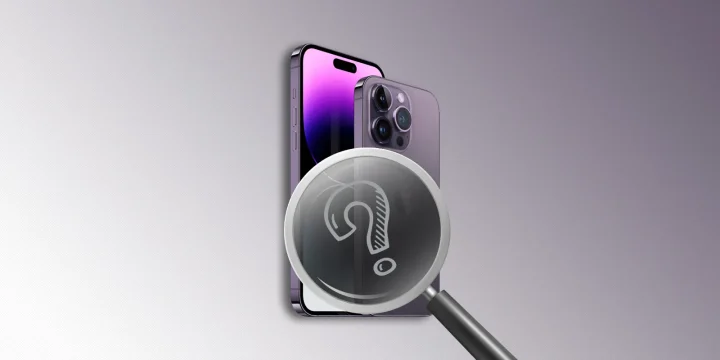
Apple’s standard iPhone 14 skipped the flashy redesign. Two years later, that restraint looks smarter than it did at launch.
The iPhone 14 arrived in September 2022 with a problem: its Pro siblings stole the spotlight. The Pro models got the Dynamic Island, the 48MP camera, and the A16 chip. The standard iPhone 14 kept the A15 Bionic, kept the notch, and kept a dual-camera system that looked nearly identical to the iPhone 13’s on paper. Reviewers shrugged. Upgrade rates from iPhone 13 owners were reportedly among the lowest Apple had seen.
But the iPhone 14 was never meant to be a spec-sheet winner. It was meant to be the iPhone that works — reliably, predictably, without surprises. And now that it sits two generations behind the current lineup, with street prices well below its original $799, the question worth answering is whether it still holds up as a daily driver.
Table of Contents
Specifications
| Specification | iPhone 14 |
|---|---|
| Display | 6.1-inch Super Retina XDR OLED, 2532 x 1170, 460 ppi |
| Brightness | 800 nits typical, 1200 nits HDR peak |
| Chip | A15 Bionic (5-core GPU) |
| RAM | 6 GB |
| Storage | 128 GB / 256 GB / 512 GB |
| Rear Camera | 12MP main (f/1.5, sensor-shift OIS) + 12MP ultrawide (f/2.4) |
| Front Camera | 12MP TrueDepth with autofocus |
| Video | 4K at 24/25/30/60 fps, Cinematic Mode, Action Mode |
| Battery | 3279 mAh, up to 20 hours video playback |
| Connectivity | 5G (sub-6 GHz + mmWave), Wi-Fi 6, Bluetooth 5.3 |
| Water Resistance | IP68 (6 meters, 30 minutes) |
| SIM | eSIM only (US), nano-SIM + eSIM (other regions) |
| Weight | 172 g |
| Launch Price | $799 |
Design and Build
The iPhone 14 looks almost identical to the iPhone 13. Same flat-sided aluminum frame, same Ceramic Shield front glass, same camera bump layout. Pick them up side by side and the differences are invisible unless the color gives it away. Apple added Yellow as a mid-cycle color option in March 2023, joining Midnight, Starlight, Blue, Purple, and (PRODUCT)RED.
What did change is less visible. Apple redesigned the internals to make the back glass replaceable without disassembling the entire phone. A repair that used to cost nearly as much as a new phone dropped significantly. That kind of behind-the-scenes improvement does not make headlines, but anyone who has cracked an iPhone’s back panel knows exactly how much it matters.
At 172 grams, the phone sits comfortably in one hand. The 6.1-inch form factor hits the sweet spot between screen real estate and pocket-friendliness that Apple has refined over several generations. The flat edges make it easy to grip without a case, though the glass back still attracts fingerprints like a magnet.
Display
The 6.1-inch Super Retina XDR panel is an OLED screen running at 2532 x 1170 resolution. Colors are accurate, blacks are deep, and outdoor visibility holds up well thanks to 800-nit typical brightness and 1200-nit HDR peak. For watching video, scrolling social media, or reading text, the display does everything asked of it without complaint.
The catch is the 60Hz refresh rate. In 2022, this was already behind the curve — Android phones at half the price offered 90Hz or 120Hz panels. By 2026 standards, the difference is hard to ignore. Scrolling through long pages or swiping between apps feels noticeably less fluid than on any ProMotion-equipped iPhone or recent mid-range Android. For anyone who has spent time with a 120Hz screen, going back to 60Hz takes adjustment.
The notch remains. No Dynamic Island here. It blends into the status bar well enough that most users stop noticing it within a day, but it does eat into content when watching full-screen video in landscape orientation.
Camera System
The rear camera setup pairs a 12MP main sensor with a 12MP ultrawide. The main lens uses a larger f/1.5 aperture compared to the iPhone 13’s f/1.6, and Apple added sensor-shift optical image stabilization. The practical result: better low-light photos with less noise, and noticeably sharper handheld shots in dim restaurants or evening outdoor scenes.
Daylight photography is excellent. The computational photography pipeline that Apple has spent years refining produces natural-looking images with strong dynamic range. Skin tones lean warm but not orange. Landscape shots hold detail from foreground to horizon without the aggressive HDR look that plagued earlier iPhones.
The ultrawide lens is fine for what it is — good in bright light, noisy indoors. There is no telephoto lens on the standard iPhone 14, so zooming beyond 1x relies on digital crop. At 2x the results are acceptable for social media. Push to 5x and the image falls apart.
The front camera got a genuine upgrade. The 12MP TrueDepth sensor gained autofocus for the first time on a standard iPhone, which means group selfies no longer require guessing whether everyone in the frame is sharp. It works. FaceTime calls and video content look noticeably better than on the iPhone 13.
Action Mode deserves mention. It applies aggressive stabilization to video, turning shaky handheld footage into something that looks gimbal-smooth. The trade-off is a heavy crop — roughly 40% of the frame is sacrificed. Shoot in good light and the results are impressive. In dim conditions, the crop plus noise reduction turns footage into a soft mess.
Performance and Battery Life
The A15 Bionic chip in the iPhone 14 is the same silicon that powered the iPhone 13 Pro. Same 6-core CPU, but with the 5-core GPU that was previously exclusive to the Pro line. In everyday use — messaging, browsing, streaming, social media — the A15 handles everything without hesitation. Apps launch fast, multitasking is smooth, and iOS animations never stutter.
Gaming performance holds up surprisingly well. Graphically demanding titles run at stable frame rates, and the extra GPU core over the standard iPhone 13 makes a measurable difference in sustained performance during long sessions. The phone does get warm during extended gaming, but throttling is minimal.
Apple rates battery life at up to 20 hours of video playback, and real-world usage backs that up. Most users will get through a full day of moderate use with 25-30% remaining by bedtime. Heavy users — constant streaming, GPS navigation, camera use — might need a top-up by late afternoon. The phone supports 20W wired charging and 15W MagSafe wireless charging. Neither is fast by 2026 standards, but a 30-minute charge adds roughly 50% battery, which is enough to rescue a dying phone before heading out.
Crash Detection and Emergency SOS
The iPhone 14 introduced two safety features that genuinely set it apart from its predecessors. Crash Detection uses a combination of accelerometers, gyroscope, barometer, and GPS data to identify severe car crashes and automatically contact emergency services if the user does not respond within 20 seconds. There have been documented cases of this feature saving lives when drivers were unconscious after a collision.
Emergency SOS via Satellite allows the phone to connect directly to communication satellites when there is no cellular or Wi-Fi coverage. The interface walks users through pointing the phone at a satellite and sends compressed emergency messages to dispatch centers. Apple provides this service free for the first two years and has since extended it. For hikers, rural drivers, or anyone who travels through areas with spotty reception, this feature alone could justify choosing the iPhone 14 over older models.
Verdict: Who Should Buy the iPhone 14 Now?
The iPhone 14 makes the most sense for someone upgrading from an iPhone 11 or older. The camera improvements, safety features, and 5G connectivity represent a meaningful jump from those generations. The A15 chip will continue receiving iOS updates for years, so software obsolescence is not a near-term concern.
Upgrading from an iPhone 13 is harder to justify. The differences are incremental — a slightly better main camera, the front-facing autofocus, Crash Detection, and satellite SOS. Anyone already on a 13 should wait for a bigger generational leap unless one of those safety features is personally compelling.
The 60Hz display is the biggest compromise. Anyone who values smooth scrolling and has used a 120Hz phone will notice the difference every time they pick up the iPhone 14. If display fluidity matters, the iPhone 14 Pro or a newer base model is a better fit.
At its current discounted prices — often $500 or less for a new unit — the iPhone 14 delivers a polished, reliable smartphone experience backed by Apple’s long software support. The phone was never exciting. It was always competent. And competent ages better than exciting.
Frequently Asked Questions
Is the iPhone 14 still worth buying?
At its reduced price point, yes — particularly for anyone coming from an iPhone 11 or older. The A15 Bionic chip remains fast enough for every mainstream task, the camera produces excellent photos in most conditions, and Apple’s track record suggests several more years of iOS updates. The main drawback compared to newer models is the 60Hz display, which feels dated next to 120Hz screens.
What is the difference between the iPhone 14 and iPhone 14 Pro?
The Pro model gets the A16 Bionic chip, a 48MP main camera with 3x telephoto, the Dynamic Island instead of the notch, a 120Hz ProMotion display, and an always-on screen. The standard iPhone 14 uses the A15 Bionic, has a 12MP dual camera with no telephoto, runs at 60Hz, and keeps the notch. If camera versatility and display smoothness matter, the Pro is a significant step up.
Does the iPhone 14 have a SIM card tray?
In the United States, no. Apple removed the physical SIM tray entirely from US models, making them eSIM-only. Models sold outside the US retain a nano-SIM slot alongside eSIM support. Anyone switching carriers should confirm their provider supports eSIM activation before buying the US version.
How long will the iPhone 14 receive software updates?
Based on Apple’s history of supporting iPhones for six to seven years, the iPhone 14 should receive iOS updates through at least 2028 or 2029. It launched with iOS 16 and currently runs iOS 18 without performance issues. Security patches typically continue for an additional year beyond the final major iOS release.
Can the iPhone 14 shoot 4K video?
Yes, up to 4K at 60 fps on both the front and rear cameras. It also supports Cinematic Mode at 4K 30fps for rack-focus effects and Action Mode for stabilized handheld footage, though Action Mode crops the frame heavily and works best in bright conditions.




Share Your Thoughts