

WhatsApp backups stored in a Google Account now count toward that account’s storage. The older storage-exemption headline does not describe the current rule. Check the backup destination, available space and encryption settings before changing phones or deleting an existing backup.
Correction, November 5, 2026: The earlier article incorrectly said Google supplied end-to-end encryption for WhatsApp backups and confused message protection with backup protection. Its storage guidance and Android instructions were also outdated. Those points have been corrected.
Which storage limit applies
Google says Android WhatsApp backups use Google Account storage, shared with services such as Drive, Gmail and Photos. A standard account includes up to 15 GB at no charge; an applicable paid plan or promotion may provide more. Review the actual account total instead of assuming the WhatsApp backup has a separate free allowance.
WhatsApp also documents a new WhatsApp cloud-storage option that is being tested and may not be available to everyone. Check which provider your app offers and uses. Do not assume that a new option shown in documentation has already reached your device.
Create or check a Google Account backup on Android
Before starting: Keep the old phone and account access until the new setup is checked. Use Wi-Fi if you want to avoid mobile-data charges, and confirm space on both the phone and the destination account.
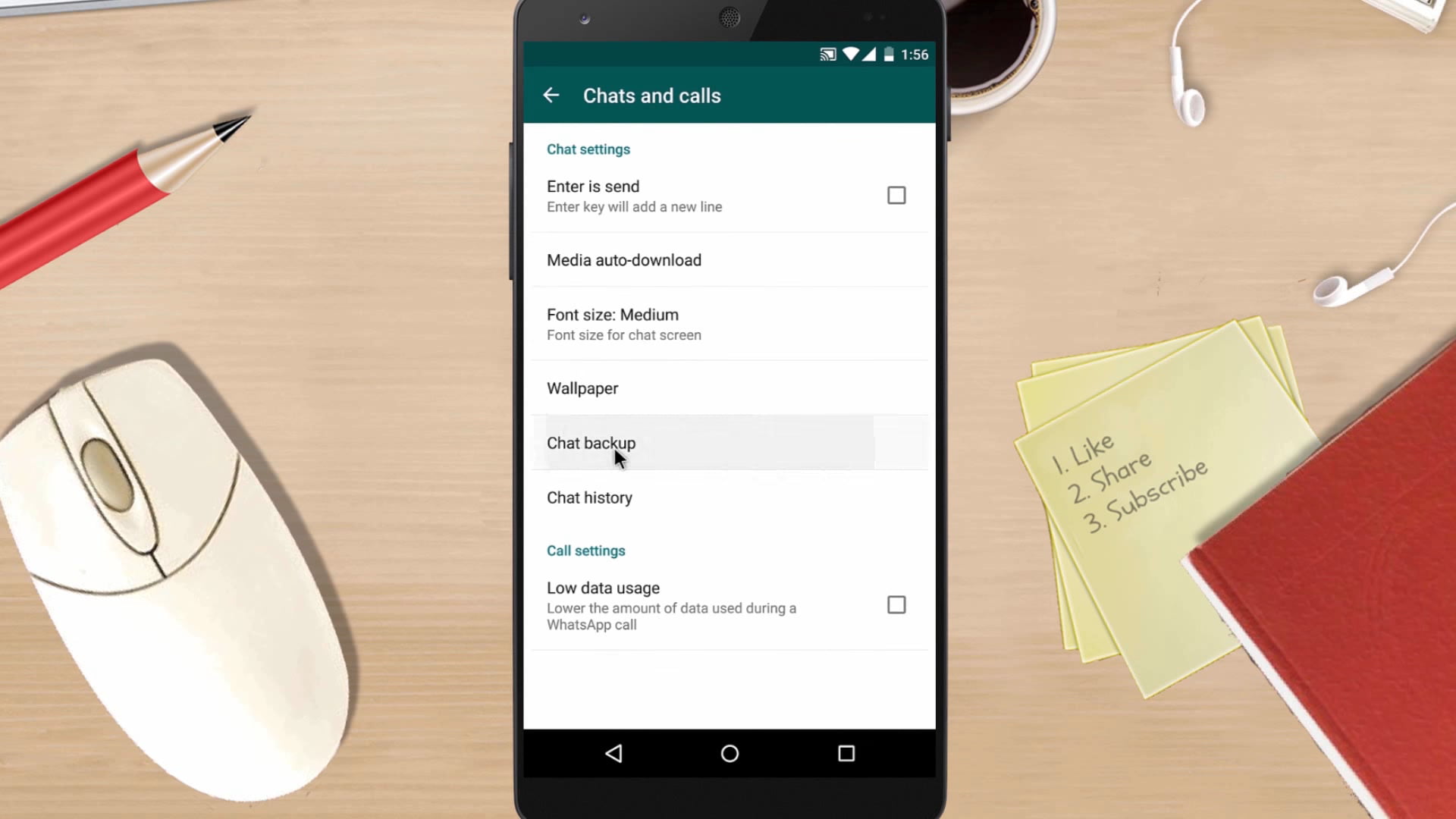
- Open WhatsApp Settings > Chats > Chat backup.
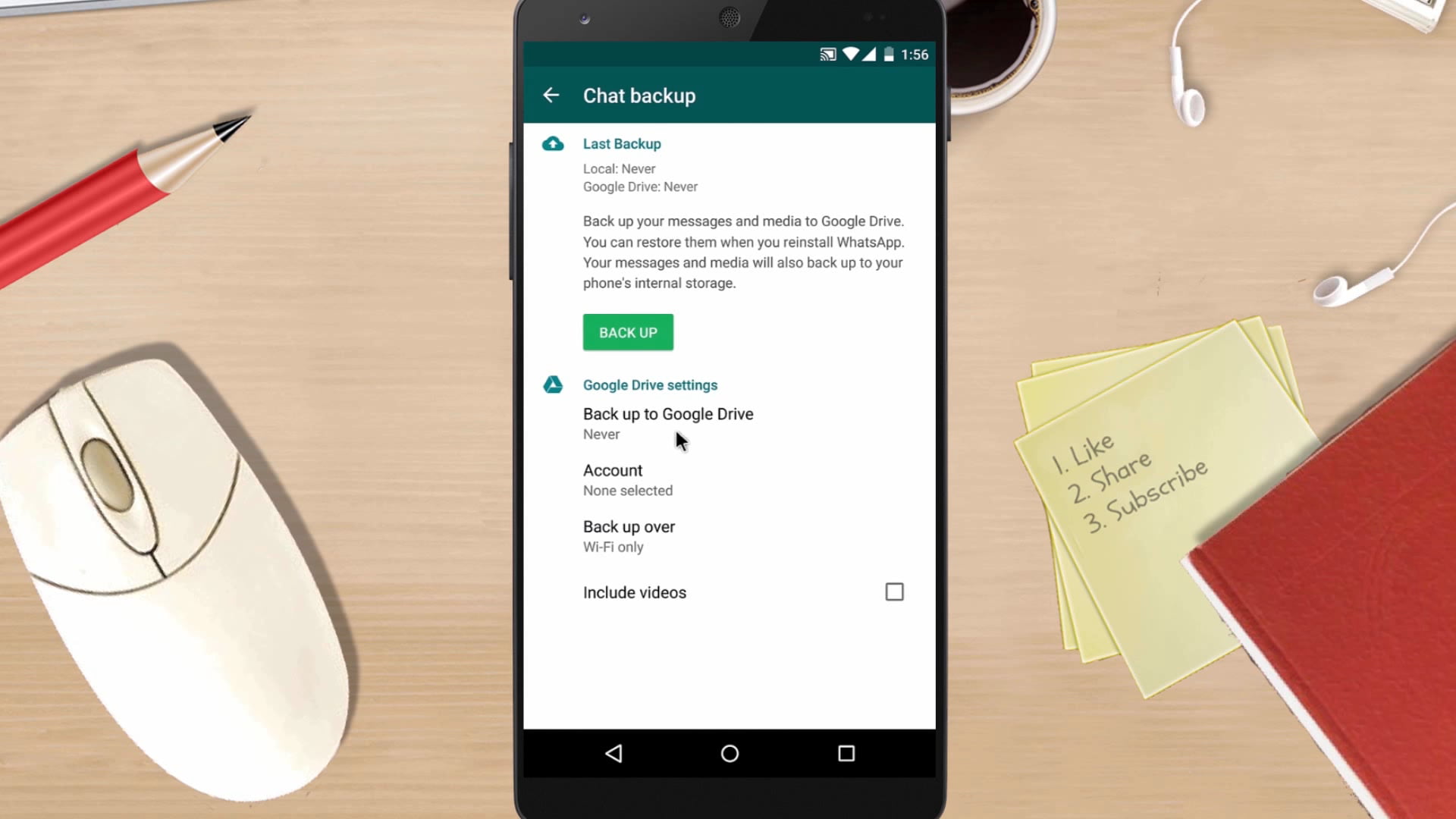
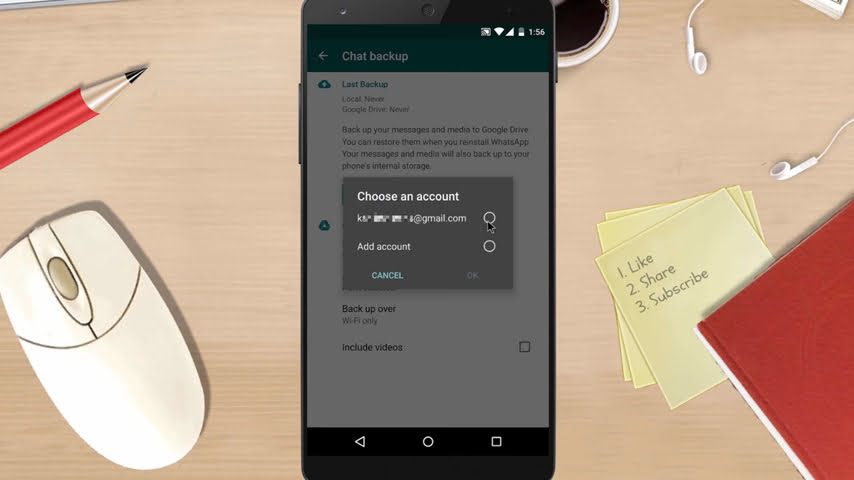
- Check the selected Google Account and backup schedule. If your app shows Cloud backup and a provider choice, select Google when you intend to use Google storage.
- Review whether videos are included and whether mobile-data backup is allowed.
- Tap Back up, let the process complete and check the displayed backup status.
Menu names can vary as the provider choice rolls out. Follow WhatsApp’s current backup instructions for your app. Restoring a cloud backup recovers the last successful saved state, not messages that were never included in it.
Message encryption and backup encryption are separate
WhatsApp distinguishes encrypted conversations from its optional encrypted-backup protection. Sending an end-to-end encrypted personal message does not by itself establish the settings used for a separate Google Account backup. WhatsApp says its encrypted-backup option protects the copy so neither WhatsApp nor the storage provider can read it.
The company’s passkey-backup announcement describes using a fingerprint, face or screen lock through a passkey. Password and 64-digit key options also appear in its backup documentation. The available setup depends on your version and rollout.
Before enabling encryption: Make sure you understand how you will retain access to the selected password, key or passkey. Protecting a backup and being able to recover it are both necessary. Do not discard the old phone or recovery information merely because a backup setting is switched on.
Open Settings > Chats > Chat backup > End-to-end encrypted backup and follow the options offered by your app. Keep recovery information private. Our account-security guide explains why secure sign-in and recovery access should be reviewed together.
Freeing space without losing the only saved copy
Review what is consuming storage before deleting anything. Removing a cloud backup can remove a recovery copy you still need. Google notes that deleting a WhatsApp backup does not turn off future backups. Check the app’s backup settings separately, and verify another suitable copy or completed transfer before relying on deletion to solve a space problem.
Earlier Android interface examples
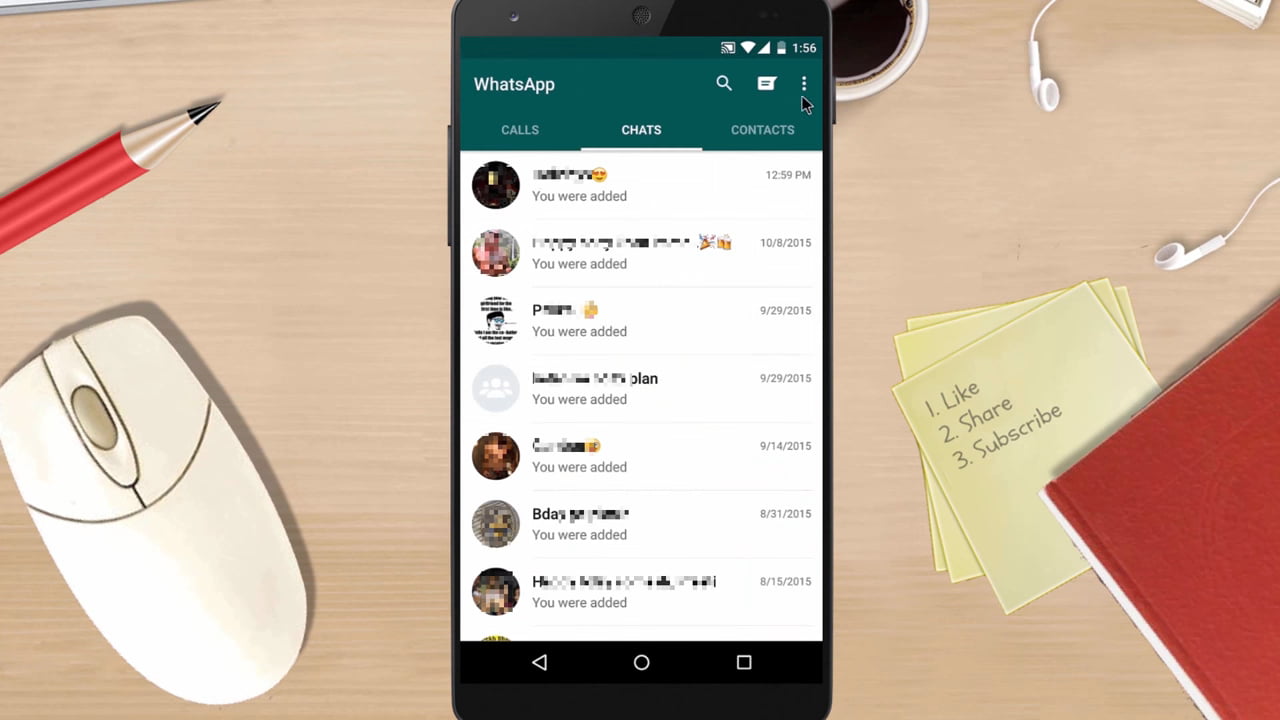
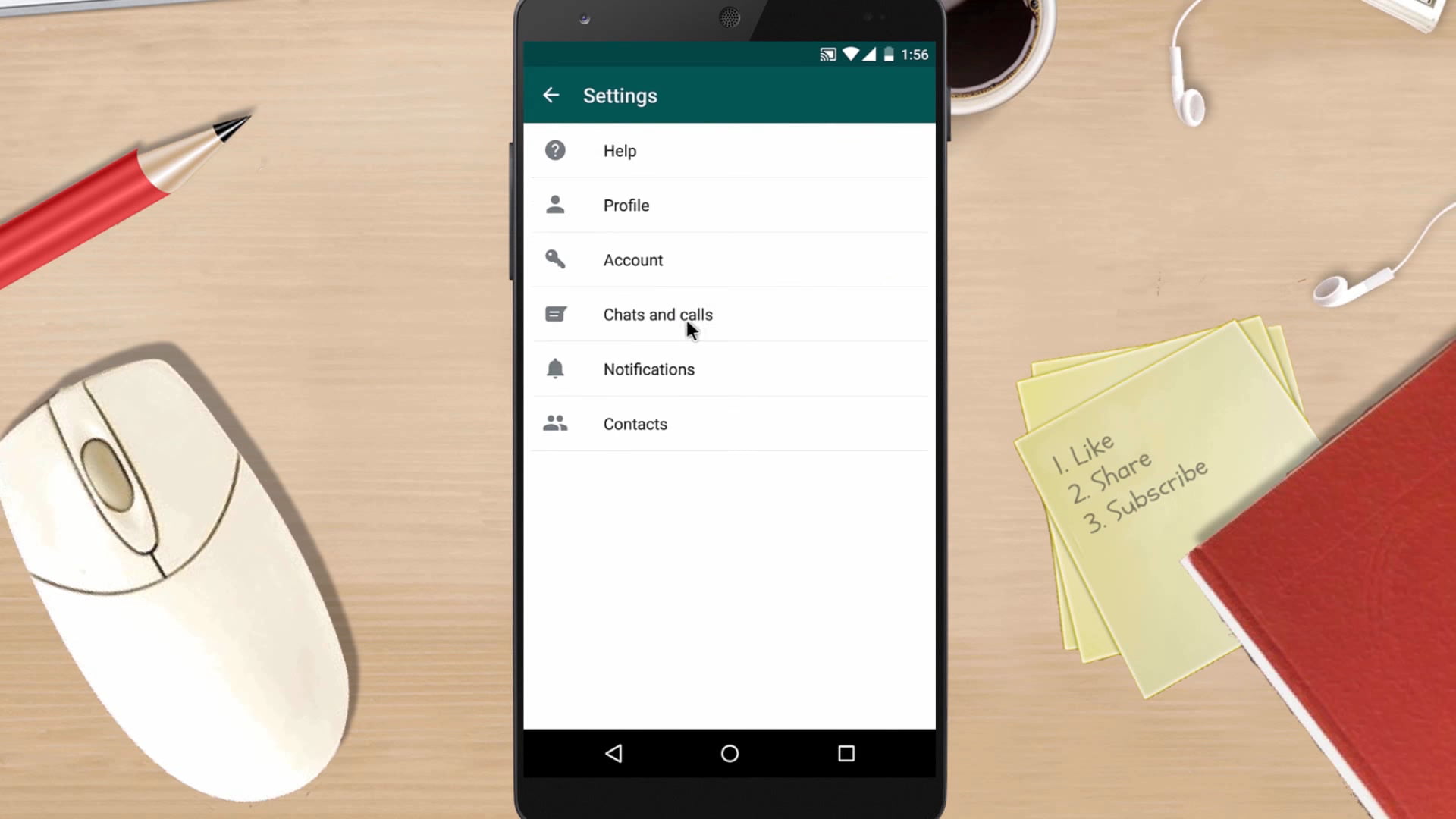
These older screenshots show the earlier Google Drive workflow. They do not show the current provider choices or encrypted-backup controls. Use the current instructions above; the storage-exemption message in the first image no longer applies.
Frequently asked questions
Do WhatsApp Google Account backups use storage?
Yes. Google says Android WhatsApp backups count toward Google Account storage. Check the account’s actual allowance and usage.
Does message encryption automatically establish my backup settings?
No. Check the separate encrypted-backup option and its recovery method for the provider you use.
Does deleting the Google backup stop future backups?
No. Google says deleting a backup does not turn off future backups. Review the app’s backup schedule and provider settings separately.





Share Your Thoughts