

The largest fortune on Forbes’ real-time list that traces back to the Bitcoin boom belongs to Changpeng Zhao, who pleaded guilty to a federal crime in 2023 and was pardoned in 2025. The largest single stash of bitcoin belongs to someone nobody can name. That contrast sums up the people Bitcoin made rich: the fortunes that lasted mostly came from building businesses around the coin, while many of the early holders who once topped these lists lost coins, sold too soon or ended up in court.
This list covers ten Bitcoin fortunes with dated net worth figures, explains how each was made and keeps the complicated parts in, including criminal cases, a tax settlement and a lawsuit. Wealth estimates move every day with crypto and share prices, so treat each number as a snapshot. For longer founder backstories, TechEngage also has a companion piece on Bitcoin billionaires and their success stories; this page sticks to what can be verified in September 2026.
Bitcoin billionaires and millionaires at a glance (September 2026)
The Forbes figures below are real-time estimates read on September 14, 2026, when bitcoin traded near $77,800 on CoinGecko, about 38 percent below its October 6, 2025 record of $126,080. Where no current estimate exists, the table says so rather than guessing.
| Name | How Bitcoin made them rich | Company or role | Estimated net worth (as of date, source) |
|---|---|---|---|
| Changpeng Zhao | Built the world’s largest crypto exchange | Binance founder and former CEO | $114.6 billion (Sept. 14, 2026, Forbes) |
| Satoshi Nakamoto | Mined the earliest blocks and never sold | Bitcoin’s pseudonymous creator | About 1.1 million BTC, roughly $85 billion at Sept. 14, 2026 prices (Arkham estimate) |
| Brian Armstrong | Co-founded a US exchange that went public | Coinbase co-founder and CEO | $8.5 billion (Sept. 14, 2026, Forbes) |
| Michael Saylor | Personal and corporate bitcoin treasury bet | Strategy co-founder and executive chairman | $4.3 billion (Sept. 14, 2026, Forbes) |
| Cameron and Tyler Winklevoss | Bought early, then built an exchange | Gemini co-founders | $2.9 billion each (Sept. 14, 2026, Forbes) |
| Fred Ehrsam | Co-founded Coinbase | Coinbase co-founder, Paradigm co-founder | $2.4 billion (Sept. 14, 2026, Forbes) |
| Tim Draper | Bought 29,656 seized bitcoins at a 2014 auction | Venture capitalist | $2.3 billion (Sept. 14, 2026, Forbes) |
| Micree Zhan and Jihan Wu | Sold bitcoin mining chips and machines | Bitmain co-founders | $3.2 billion and $1.8 billion (Nov. 4, 2020, Forbes; no newer figure) |
| Roger Ver | Bought and promoted bitcoin from 2011 | Early investor known as Bitcoin Jesus | No reliable current estimate |
| Erik Finman | Invested a $1,000 gift at age 12 | Early teen investor | Not verified; said he held 403 BTC in June 2017 (CNBC) |
10 people Bitcoin made rich and how each fortune was made
1. Changpeng Zhao (Binance)
Zhao founded Binance and built it into the world’s largest cryptocurrency exchange. Forbes estimated his net worth at $114.6 billion on September 14, 2026, ranking him 18th in the world, with nearly all of it tied to an estimated 90 percent stake in Binance plus holdings of its BNB token. Binance trades far more than bitcoin, but its growth rode the same boom, and it is the clearest case of a fortune built on fees from other people’s trading rather than on coins bought early.
The number is contested. Private companies are hard to value, and Zhao publicly disputed an earlier Forbes estimate of about $110 billion in March 2026, arguing that falling crypto prices made it implausible.
His record also carries a conviction. Zhao pleaded guilty in November 2023 to charges tied to Binance’s failure to maintain an effective anti-money laundering program, stepped down as CEO and agreed to a $50 million fine, while the US ordered Binance to pay $4.3 billion. In April 2024 a federal judge in Seattle sentenced him to four months in prison, well below the three years prosecutors had sought. He was due for release on September 29, 2024, and President Donald Trump pardoned him on October 23, 2025, a decision critics questioned because of Binance’s ties to World Liberty Financial, a crypto business linked to the Trump family. Before the pardon, in April 2025, Pakistan’s Finance Division named him a strategic adviser to the Pakistan Crypto Council, part of the wider story of Bitcoin regulation in Pakistan.
2. Satoshi Nakamoto (Bitcoin’s creator)
No rich list includes Satoshi Nakamoto, because nobody has proven who Satoshi is. The coins can still be traced. Blockchain analytics firm Arkham attributes 1,096,354 BTC across about 22,000 addresses to Satoshi, based on the Patoshi Pattern, a fingerprint in Bitcoin’s earliest mined blocks first described by researcher Sergio Lerner. At CoinGecko’s September 14, 2026 price, that stash is worth roughly $85 billion.
Treat that as an estimate with two big caveats. The attribution rests on pattern analysis, not on anyone signing with Satoshi’s keys, and the bulk of the coins have sat untouched since Bitcoin’s first years, so the value exists only on paper. If Satoshi is alive and holds the keys, it is one of the largest fortunes in the world. If the keys are gone, it is the largest pile of lost bitcoin.
3. Brian Armstrong (Coinbase)
Armstrong co-founded Coinbase and still runs it. Forbes put his net worth at $8.5 billion on September 14, 2026, based mainly on a stake of about 19 percent in Coinbase, which began trading on Nasdaq in April 2021. His fortune follows Coinbase’s share price, which in turn rises and falls with how much customers trade. That makes it less exposed to the price of bitcoin itself than a pure coin holding, but not immune to a slump in activity.
4. Michael Saylor (Strategy)
Saylor co-founded MicroStrategy, now Strategy, as a business software company in 1989 and ran it as CEO until 2022, when he became executive chairman. Forbes estimated his net worth at $4.3 billion on September 14, 2026, and says he personally bought 17,732 bitcoins for $175 million in 2020.
The company went much further than its chairman. A September 14, 2026 SEC filing shows Strategy holding about 845,050 BTC bought for $63.73 billion, an average of roughly $75,412 per coin. With bitcoin near $77,800 that day, the whole pile carried a paper gain of only about 3 percent. That is the double edge of a treasury bet: borrowed and raised money magnified the gains on the way up, and it leaves a thin cushion when the price falls back toward the average cost.
5. Cameron and Tyler Winklevoss (Gemini)
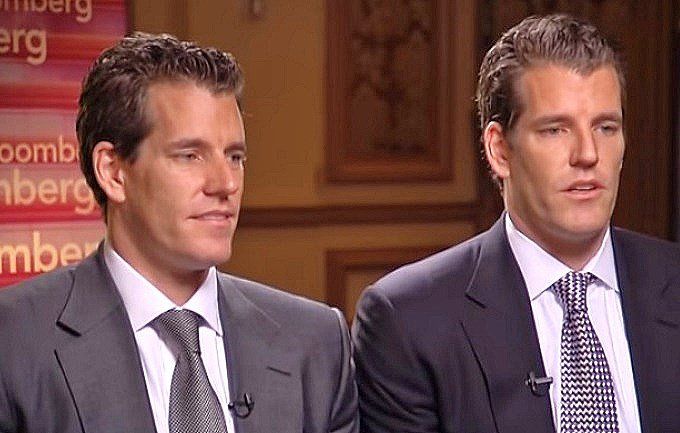
The twins are the textbook case of buying early with money made elsewhere. They used part of their $65 million legal settlement with Facebook to buy about $11 million of bitcoin in 2013, and by December 2017 the stake had made them the first widely reported bitcoin billionaires. They co-founded the Gemini exchange in 2014 and took it public on Nasdaq in September 2025, when shares priced at $28 and closed their first day 14 percent higher.
Forbes estimated the net worth of Cameron Winklevoss and Tyler Winklevoss at $2.9 billion each on September 14, 2026, and says the pair still own an estimated 70,000 bitcoins. Their fortune now depends on two prices at once: bitcoin and Gemini’s stock.
6. Fred Ehrsam (Coinbase and Paradigm)
Ehrsam, a former Goldman Sachs currency trader, co-founded Coinbase with Armstrong in 2012 and left in 2017, keeping a board seat and roughly 4 percent of the company. In 2018 he co-founded Paradigm, a crypto investment firm. Forbes put his net worth at $2.4 billion on September 14, 2026. His path shows that an early stake in the right Bitcoin company, not a large coin balance, was enough to reach billionaire status.
7. Tim Draper (venture capitalist)
Draper was managing director of venture firm Draper Fisher Jurvetson when he made the most famous auction bid in Bitcoin’s history. In 2014 he won all 29,656 bitcoins the US Marshals Service sold after seizing them from the Silk Road marketplace, and at the time he said he planned to use them with startup Vaurum to provide liquidity in countries with weak currencies.
Forbes estimated his net worth at $2.3 billion on September 14, 2026, lists cryptocurrency as his main source of wealth and says he paid about $18.7 million for the auctioned coins, or $632 each. At September 2026 prices, that lot would be worth about $2.3 billion. How many of those coins he still holds has not been independently verified.
8. Micree Zhan and Jihan Wu (Bitmain)
Bitmain sold the shovels in Bitcoin’s gold rush. Zhan designed the ASIC chips inside its mining machines and co-founded the company with Wu in 2013. After a power struggle, Zhan was pushed out of management in October 2019, and Wu exited Bitmain in 2021 and now runs Nasdaq-listed miner Bitdeer. Forbes’ latest published figures are old: $3.2 billion for Zhan and $1.8 billion for Wu, both dated November 4, 2020. Read them as a record of what hardware sales built, not as current wealth.
9. Roger Ver (early investor)
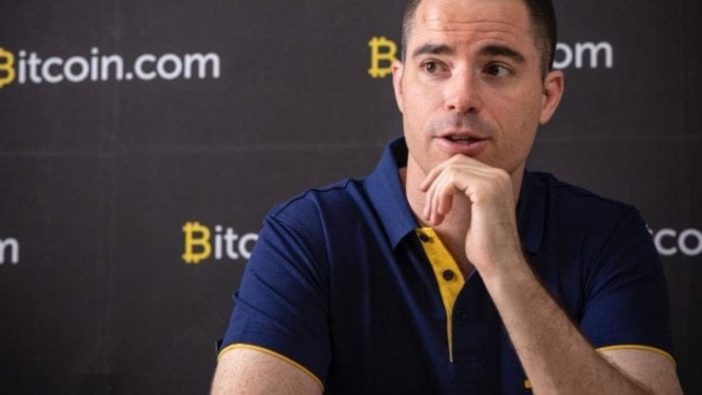
Ver began investing in bitcoin in 2011 and earned the nickname Bitcoin Jesus by handing out bitcoin to strangers, Fortune reported. The size of his holdings became public through a criminal case. According to the charges announced in April 2024, Ver and his companies owned about 131,000 bitcoins in February 2014, the month he renounced his US citizenship after becoming a citizen of St. Kitts and Nevis, and in 2017 he sold tens of thousands of coins for about $240 million. He was arrested in Spain, and prosecutors said he caused a tax loss of at least $48 million.
The case ended without a trial. On October 14, 2025, Ver entered a deferred prosecution agreement with the Justice Department, admitted that he willfully failed to report all his bitcoins and pay the capital gains tax due when he gave up citizenship, and paid the IRS nearly $50 million in back taxes, penalties and interest. The government moved to dismiss the indictment, and the federal court docket lists the case as terminated the same day. No reliable source publishes a current estimate of Ver’s net worth, so this list does not give one.
10. Erik Finman (teen investor)
Finman is the most-cited ordinary person on these lists, and his numbers come from his own interviews rather than filings. He told CNBC in June 2017 that he started buying bitcoin in May 2011, at age 12, with a $1,000 gift from his grandmother; sold at about $1,200 a coin at the end of 2013 for roughly $100,000; and in January 2015 took 300 bitcoins instead of $100,000 in cash for the technology of his education startup, Botangle. In that June 2017 interview he said he held 403 bitcoins, worth about $1.09 million at the time. His current holdings have not been independently verified.
Early Bitcoin winners whose stories changed
The 2022 version of this article ranked three more people among the top five. Reliable sources confirm their early role in Bitcoin, but none supports the large fortunes once attached to their names.
Charlie Shrem: BitInstant, Silk Road and a lawsuit
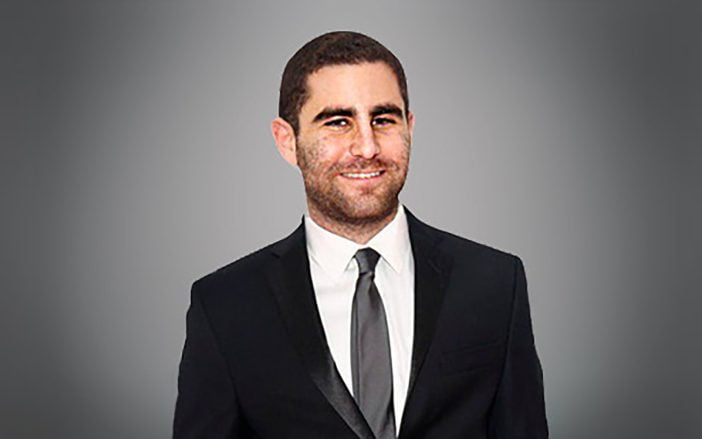
Shrem was CEO of BitInstant, an early service that let customers swap cash for bitcoin, and vice chairman of the Bitcoin Foundation. He pleaded guilty in September 2014, and in December 2014 a Manhattan federal judge sentenced him to two years in prison for knowingly transmitting nearly $1 million in bitcoin intended for drug purchases on Silk Road, and ordered him to forfeit $950,000.
After prison, a Winklevoss fund sued him in 2018, alleging he had taken $1 million in 2012 to buy bitcoin for the twins and left them about 5,000 coins short. Shrem called the allegations bogus, and the case settled in April 2019 on confidential terms.
Dave Carlson: a giant mine, but most coins went to investors
Carlson ran MegaBigPower from a warehouse near Wenatchee, Washington, which he described as probably the largest bitcoin mining business in the US. In April 2014 the Spokesman-Review reported that the operation produced about 100 bitcoins a day on roughly 1 million chips, but that most revenue went to a principal European investor and Carlson’s own share was about 10 to 20 percent of the coins. Giga Watt, the company formerly known as MegaBigPower, filed for Chapter 11 bankruptcy in November 2018, about three months after Carlson, a former Microsoft software engineer, left as CEO.
Jered Kenna: 20-cent coins and 800 deleted bitcoins
Kenna bought his first 5,000 bitcoins at 20 cents each and ran Tradehill, an exchange that was at one point second only to Mt. Gox, according to a 2013 profile in The Week. The same profile noted that Tradehill suspended service in 2012 before reopening, and that Kenna accidentally deleted 800 bitcoins when he wiped his computer in 2010. No reliable recent source estimates his wealth, so he fits better as an early winner than as a lasting Bitcoin fortune.
How early Bitcoin fortunes were actually made
Line up the fortunes above and five routes appear. Only one of them relied purely on holding coins, and the billionaires mostly took the others.
- Mining in the first years. Satoshi’s estimated 1.1 million BTC came from mining in 2009 and 2010, when there was almost no competition. By 2014 mining had become an industrial business, and at Carlson’s mine outside investors took most of the output.
- Founding an exchange. Zhao, Armstrong, Ehrsam and the Winklevoss twins turned trading activity into company equity. When Coinbase and Gemini went public, that equity got a market price.
- Selling picks and shovels. Bitmain’s founders sold mining machines to everyone else, so their business depended on demand for hardware rather than on keeping coins.
- Buying early, or buying big. Ver, Kenna and Finman bought when coins cost cents or dollars. The Winklevoss twins and Draper bought millions of dollars’ worth in 2013 and 2014, a size that let a later price rise turn into billions.
- Putting a company balance sheet behind bitcoin. Saylor’s Strategy raised money to buy coins at scale, which multiplied gains in rallies and narrows the margin of safety in slumps.
That pattern matters for anyone reading these stories as a template. The coin-only fortunes here depended on buying before 2015 and never losing access, while most of the largest living fortunes came from owning companies that earn fees on trading or sell equipment. Neither route is realistically open to a small investor today, which is why a rich list is a poor guide to what a new buyer should expect.
Why many early Bitcoin holders never got rich
For every name above, far more early users held coins that never turned into lasting wealth. The same four problems show up again and again.
Lost keys and wiped drives
In a June 2020 analysis, Chainalysis estimated that about 3.7 million BTC had not moved in at least five years and were likely lost, Decrypt reported. Kenna’s 800 deleted coins are a small example of how it happens. Basic custody habits, covered in TechEngage’s guide to crypto security risks and how to protect yourself, matter more than any price prediction.
Exchange collapses
Mt. Gox lost about 850,000 BTC in a 2014 security breach. Its trustee later recovered about 142,000 BTC for creditors and, in an October 2025 notice, moved the deadline for finishing repayments to October 31, 2026. Customers who left coins on the exchange have waited more than a decade to get part of them back.
Selling too early
Early holders who needed cash sold into the first rallies. Finman cashed out his first coins at about $1,200 each in 2013; at CoinGecko’s September 14, 2026 price, a single coin was worth about 65 times that. Selling early is rational when the asset might go to zero, and nobody on the early forums could know it would not.
Legal bills and price swings
Several of the most famous early names paid heavily in court: nearly $50 million for Ver, a $50 million personal fine for Zhao and a $950,000 forfeiture for Shrem. Price swings do the rest. Bitcoin sat about 38 percent below its October 2025 record in mid-September 2026, and the forces behind Bitcoin’s volatility have not gone away. Buying at a peak or with borrowed money, two of the common mistakes new crypto investors make, can turn a paper fortune into a loss within months.
FAQs about the people Bitcoin made rich
Who is the richest Bitcoin billionaire?
Binance founder Changpeng Zhao had the largest crypto fortune on the Forbes real-time list, at an estimated $114.6 billion on September 14, 2026, although Binance trades many coins besides bitcoin. If Satoshi Nakamoto’s estimated 1.1 million BTC were counted, that stash would be worth roughly $85 billion on the same date, but nobody has proven who controls it.
How much Bitcoin does Satoshi Nakamoto own?
Blockchain analytics firm Arkham attributes 1,096,354 BTC to Satoshi, based on the Patoshi mining pattern in Bitcoin’s earliest blocks. That is an estimate rather than a confirmed figure. At CoinGecko’s September 14, 2026 price of about $77,800, it equals roughly $85 billion.
How did the Winklevoss twins make money from Bitcoin?
They used part of their $65 million Facebook settlement to buy about $11 million of bitcoin in 2013, then co-founded the Gemini exchange in 2014 and listed it on Nasdaq in September 2025. Forbes estimated each twin’s net worth at $2.9 billion on September 14, 2026.
Who got rich from Bitcoin early?
US prosecutors said Roger Ver and his companies held about 131,000 BTC in February 2014. Other early winners include the Winklevoss twins, who bought in 2013, Tim Draper, who won a 2014 US Marshals auction, and Erik Finman, who started buying at age 12 in 2011. Satoshi Nakamoto mined the largest early stash.
Did Roger Ver go to prison for tax evasion?
No. In October 2025 Ver entered a deferred prosecution agreement with the US Justice Department, admitted willfully failing to report all his bitcoin when he gave up US citizenship, and paid nearly $50 million in back taxes, penalties and interest. Prosecutors then moved to dismiss the indictment.
How many bitcoins are lost forever?
Nobody knows exactly. Chainalysis estimated in June 2020 that about 3.7 million BTC had not moved in five or more years and were likely lost. Around 850,000 BTC also disappeared in the 2014 Mt. Gox breach, although the trustee later recovered part of it for creditors.
Can you still get rich from Bitcoin in 2026?
No one can promise it. Bitcoin traded about 38 percent below its October 2025 record of $126,080 in mid-September 2026, and most fortunes on this list came from buying before 2015 or owning crypto companies. Invest only what you can afford to lose, and speak to a licensed adviser before making large decisions.
This article is for general information only and is not financial, legal or tax advice. Net worth figures are third-party estimates that change with market prices, so check the linked sources for the latest numbers.





Top 5 People That #Bitcoin Made Rich by Jazib Zaman
#Cryptocurrency #BitcoinBillionaires #BitcoinFortune #RichPeople
https://t.co/zCc3qFdNs2 https://t.co/JusWFEP2HM
Have you guys heard about $LOGE ?
Presale: August 29th
Audited by Interfi
Walk-to-Logedor app!
Have a look here: https://t.co/xFzQphLMHV
#LOGE of the Rings is the most innovative#LOTR project to date. Your adventure begins now.
#LOGE #LOTR #RingsOfPower #LordOfTheRings #BSC