

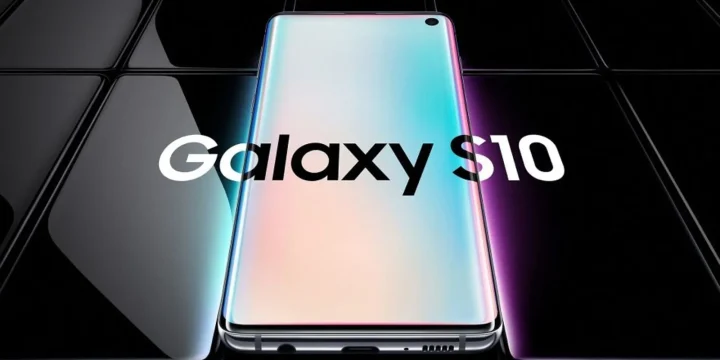
When Samsung opened the One UI beta program for the Galaxy S10 back in October 2019, “how to get Android 10 on Galaxy S10” was a real question with a real answer: sign up through Samsung Members, wait for the beta build, install it. That door closed years ago — Android 10 arrived as a stable release for the S10 family shortly afterwards, and the phone has moved well past it since.
If you’re reading this in 2026, you almost certainly have a different question: what Android version can a Galaxy S10 actually run today, is it still safe to use, and can you push it further than Samsung did? This guide answers all three, with the honest version of each answer.
The short answer
- Android 10 is long since installed. If your S10 has ever run a software update, you’re past it. There is nothing to sign up for.
- Android 12 with One UI 4.1 is the end of the official road. That was the last major OS upgrade Samsung shipped to the S10, S10e, S10+ and S10 5G, and it landed in early 2022.
- Security updates have ended. The S10 family has been dropped from Samsung’s regular security-update list, with only the occasional one-off maintenance patch appearing since.
- Custom ROMs go much further. LineageOS officially supports the Exynos S10 models, and its current builds are based on Android 16 — six OS generations beyond where Samsung stopped. The Snapdragon models sold in the US can’t do this.
The Galaxy S10 update timeline, start to finish
The S10 launched in March 2019 on Android 9 Pie with One UI 1.1. Samsung promised three OS upgrades, and it delivered them:
- Android 9 / One UI 1.1 — shipping software, March 2019.
- Android 10 / One UI 2 — beta from October 2019, stable rollout from late 2019 into early 2020. This brought system-wide dark mode, gesture navigation, and the redesigned notification handling the phone still uses.
- Android 11 / One UI 3 — early 2021.
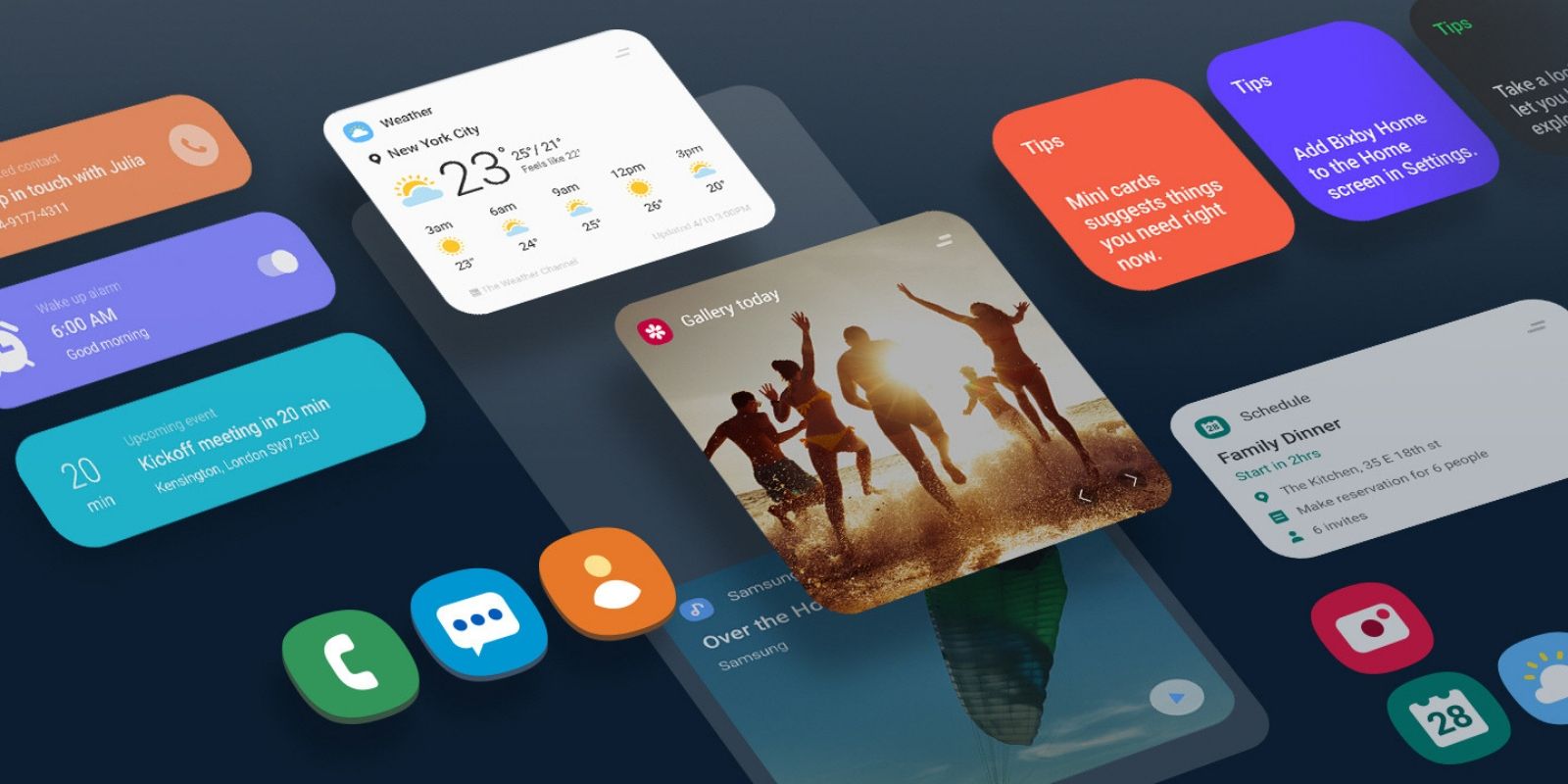
- Android 12 / One UI 4.1 — early 2022. The final major update, adding the Material You-influenced colour palette and privacy dashboard.
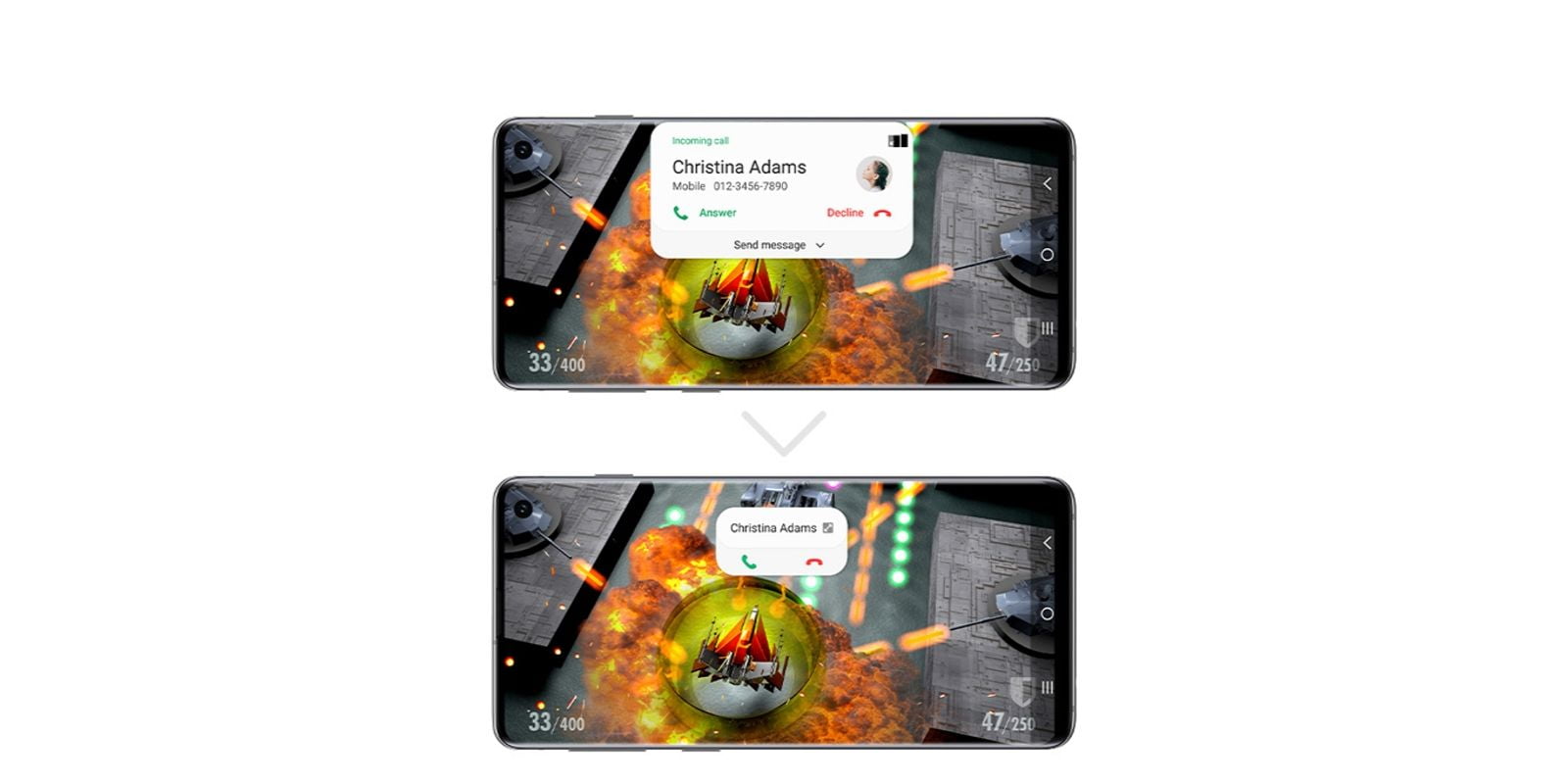
After One UI 4.1, the phones moved to security patches only — first monthly, then quarterly, then off the list entirely. That is a normal end-of-life curve for a phone now more than seven years old, and it isn’t a defect. What matters is what it means for you.
How to check what your Galaxy S10 is running
- Open Settings.
- Scroll to the bottom and tap About phone.
- Tap Software information.
- Read the Android version, One UI version and Android security patch level.
If you see Android 12 and One UI 4.1, you’re fully up to date by Samsung’s reckoning. If you see anything lower, there are updates waiting for you.
Install any remaining official updates
Over the air
- Connect to Wi-Fi and charge the phone above 50%.
- Go to Settings → Software update.
- Tap Download and install.
- If an update appears, let it download, then restart when prompted. Major version jumps can take 20–30 minutes and several reboots.
Phones that have sat in a drawer for years may need to run this two or three times in a row — Samsung staged the upgrades, so you climb through them one at a time rather than jumping straight to the last one.
Via Smart Switch on a PC
If the over-the-air check keeps failing, install Samsung Smart Switch on a Windows PC or Mac, connect the phone by USB, and let it check for firmware. This route works when a carrier-branded phone is stuck on an old build, and it repairs a broken update state that OTA can’t.
“Your device is up to date” but you’re on an old version
Three usual causes: the phone is a carrier variant on a firmware branch that stopped early; it’s registered to a region Samsung stopped serving sooner; or the device has been rooted or modified at some point, which blocks official updates entirely. Smart Switch is the fix for the first two. For the third, you’re into the custom ROM territory covered below.
Is it still safe to use a Galaxy S10 in 2026?
Realistically: it’s fine for ordinary use, with caveats you should understand rather than ignore.
The genuine risk of an unpatched phone is that OS-level vulnerabilities discovered after the last patch stay open forever. That’s not theoretical, but it also isn’t the same as being compromised the moment you switch it on. A lot of your practical security has moved off the OS anyway:
- Google Play system updates continue to patch core components independently of Samsung’s firmware. Check them under Settings → About phone → Software information → Google Play system update.
- Apps and browser still update normally from the Play Store, and the browser is where most real-world attacks land. Keep Chrome current.
- Google Play Protect keeps scanning, and Samsung Knox hardware protections are still active on an unmodified phone.
What you should actually do: install apps only from the Play Store or Galaxy Store, don’t sideload APKs from forums, use a password manager and two-factor authentication so a device compromise doesn’t cascade, and think twice before making an unpatched seven-year-old phone the only device holding your banking and authenticator apps. If the phone is a secondary device — a music player, a car unit, a kid’s first phone, a dedicated camera — none of this matters much.
The other honest caveat is the battery. An S10 battery is now several hundred cycles past its useful life, and a replacement is the single cheapest thing that will make the phone feel usable again — cheaper and more effective than any software change on this page.
Going past Android 12: custom ROMs on the Galaxy S10
This is the only real way to run a newer Android version on an S10, and it comes with conditions.
Check which S10 you own first
The S10 shipped with two different chips depending on region. Exynos 9820/9825 models — sold across Europe, the UK, India and most of the world — have unlockable bootloaders and full custom ROM support. Snapdragon 855 models — the US and Chinese variants — have locked bootloaders that were never officially unlockable, and no amount of guide-following changes that. Check your model number under Settings → About phone; the Exynos variants are the ones ending in F, FD, N or X (G973F, G975F, G970F, G977B and similar).
What LineageOS offers
LineageOS is the best-supported option and the only one with official Samsung S10 device pages and maintained install documentation. The four Exynos models each have an official codename:
- beyond0lte — Galaxy S10e
- beyond1lte — Galaxy S10
- beyond2lte — Galaxy S10+
- beyondx — Galaxy S10 5G
Official builds have tracked LineageOS through 21 (Android 14), 22 (Android 15) and into the 23 series based on Android 16, with the project’s own install instructions kept current for those releases. In practice that means a 2019 phone running a 2026 Android base, with monthly security patches — which is a considerably better security position than the stock firmware is in.
What it costs you
Read this part before you start, not after:
- Unlocking the bootloader trips the Knox e-fuse permanently. This is a physical, irreversible change. Samsung Pay/Wallet, Secure Folder and other Knox-dependent features stop working forever, even if you flash back to stock firmware.
- Everything on the phone is wiped. Back up first, and verify the backup.
- Banking, payment and some streaming apps may refuse to run because a custom ROM fails Google’s Play Integrity checks.
- Camera quality drops. Samsung’s image processing doesn’t come across; LineageOS cameras on the S10 are functional but noticeably worse than stock.
- You are the support department. No warranty, no Samsung help line, and a bad flash can leave you needing Odin and a stock firmware image to recover.
The rough process
Follow the official device page for your exact codename rather than a random video — steps differ between models and between LineageOS versions, and using the wrong recovery image is how phones get bricked. Broadly, it runs: enable Developer options and turn on OEM unlocking → unlock the bootloader → flash the LineageOS recovery with Odin (Windows) or Heimdall (Linux/macOS) → format data → sideload the LineageOS build, and optionally a Google apps package → reboot. Budget an hour, a USB-C cable you trust, and a charged phone.
You’ll also find unofficial ports of newer One UI builds circulating on XDA. They aren’t from Samsung, they aren’t supported, and their stability varies enormously — treat them as experiments, not upgrades.
Or don’t flash anything
Flashing a custom ROM is genuinely worthwhile if you enjoy the process or you need this specific phone to last another few years. For most people the better answers are simpler: replace the battery and keep using it as-is for anything that doesn’t involve banking; repurpose it as a dedicated device where an unpatched OS matters far less; trade it in, since Samsung and carriers still take S10s against new Galaxy purchases; or recycle it properly rather than leaving it in a drawer.
Whichever way you go, the thing that’s genuinely finished is the wait for Samsung to send you something. Nothing more is coming.
FAQs
Can I still join the One UI beta program on a Galaxy S10?
No. Samsung runs beta programs only for current flagships. The S10 beta closed once Android 10 shipped as a stable release, and the phone has since left Samsung’s update program entirely.
What is the highest official Android version for the Galaxy S10?
Android 12, running One UI 4.1. That applies across the S10e, S10, S10+ and S10 5G.
Will the Galaxy S10 get One UI 7 or Android 15?
Not officially — the S10 is several generations outside Samsung’s support window. Guides claiming to bring One UI 7 to an S10 are describing unofficial community ports, not a Samsung release.
Does the Galaxy S10 still get security updates?
Not on a regular schedule. The S10 models have been removed from Samsung’s security-update list, with only occasional one-off patches since. Google Play system updates and app updates do continue.
Can I install a custom ROM on a US Galaxy S10?
No. US models use the Snapdragon 855 with a permanently locked bootloader. Custom ROM support on the S10 is Exynos-only.
Will WhatsApp and my banking app keep working?
On stock Android 12, yes for now — though app makers do eventually drop older Android versions, and Android 12 is approaching that line. On a custom ROM, messaging apps are generally fine while banking and payment apps often refuse to run because of Play Integrity checks.
Also read: Everything Android 10 introduced · The apps draining your battery fastest · When the S10 line was announced




Share Your Thoughts