
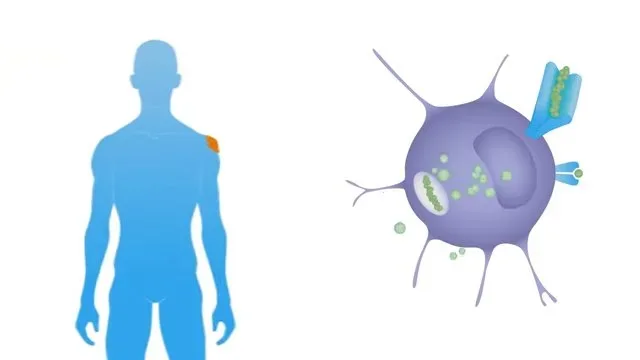
Vaccines are also called vaccinations. These are medicines that support our body to fight diseases.
It can also train the immune system to recognize and put an end to injurious substances. Two types of cancer vaccines are:
- Prevention vaccines.
- Treatment vaccines.
Cancer avoidance vaccines:
Doctors often give an ”avoidance” vaccine to patients to prevent certain cancers from emerging. Such vaccines include the ones given for the flu or chickenpox; they can shield our body from unsafe viruses that may deteriorate our health.
The U.S. Food and Drug Administration approved prevention vaccines. The two approved types of prevention vaccines are described below.
HPV vaccine:
U.S. Food has approved human papillomavirus vaccines to prevent cervical cancer. If the virus is long-lasting, then it can yield to cancer.
The use of HPV vaccines can avoid the following diseases:
- Anal cancer
- Genital warts
- Cervical, vaginal, and vulvar cancer
For such cancers like oral cancer, the U.S. Food and Drug Administration has not agreed on the vaccine.
Hepatitis B vaccine:
This vaccine stops the hepatitis B virus infection. Ongoing infection with the hepatitis B virus can cause liver cancer.
Cancer cure vaccines:
Cancer treatment vaccines are also called therapeutic vaccines and are a kind of immunotherapy. The vaccines that are shot in the arm boost our body’s natural defenses and fight cancer. People now diagnosed with cancer are getting vaccine treatment by doctors.
- A tumor is being stopped from growing
- Avoids or stops cancer from coming back
- Put an end to any cancer cells still in the body after other cures have ended.
Cancer cure vaccine mechanism:
Antigens are substances present on the surface of the cells and are not part of our body. To get rid of them, the immune system usually attacks antigens. The immune system leaves a memory that helps it to answer back to those antigens in the future.
Things that boost or strengthen the immune system’s ability to recognize and kill antigens are cancer treatment vaccines. Cancer cells have some kind of molecules known as cancer-specific antigens on their surface that healthy cells do not have.
Most cancer vaccines also comprise adjuvants that are actually the substances that may help or boost the immune system to answer back. When an individual gets these molecules, these molecules start acting as antigens. They can stimulate the immune system. They also strengthen the immune system to recognize and destroy cancer cells with these molecules on their surface.
These types of vaccines are only produced from the individual’s tumor sample. This means that the surgery is compulsory to get a large or wide sample of the tutor to create or establish the vaccine. Some other vaccines that can target specific antigens of cancer are provided to the people whose tumors contain those antigens on the tumor cell’s surface.
Food And Drug Administration accepted sipuleucel-T for men with metastatic prostate cancer. Sipuleucel-T is custom-made for each individual from end to end in a series of steps.
- White blood cells are modified in the laboratory and to target and recognize prostate cancer cells.
- Changed cells are put back into the person from side to side via a vein. This is just like a blood transfusion. The altered cells reach the immune system and destroy prostate cancer cells.
- First, white blood cells are removed from the person’s blood. White blood cells help the body fight infections and diseases.
Cancer cells grow from a person’s specific healthy cells
Cancer cells may not “look” damaging to the immune system. The immune system may pay no attention to the cells at all.
Cancer cells overpower the immune system.
Cancer can improve and grow in the first place. That’s how it works. Researchers are just using the adjuvants in vaccines to attempt to fix this problem. Greater or more radical tumors are hard to get rid of using only a vaccine. Doctors usually provide people with other treatments with cancer vaccines.
People who are bizarre or older can have feeble immune systems
After vaccination, their bodies may not be talented to yield a strong immune response. Some cancer treatments that can harm or destroy a person’s immune system also limit their ability to respond to a vaccine.
Result:
The results obtained from the clinical trials recently led to the approval of the first therapeutic cancer vaccine by the U.S. Food and Drug Administration. This discovery gives a new treatment modality for cancer management.
Also, several strategies are currently being evaluated both pre-clinically and clinically. The therapeutic vaccines are also a feasible choice for the on-the-go immunotherapy of cancers that only targets to treat the long-lasting disease by using the patient’s own immune system. Mostly, people are tested with the peptide-based vaccine in clinical trials to hit cancer-testing antigens, differentiation-associated antigens, or certain oncofetal antigens.
Inspired by: Cancer.net