
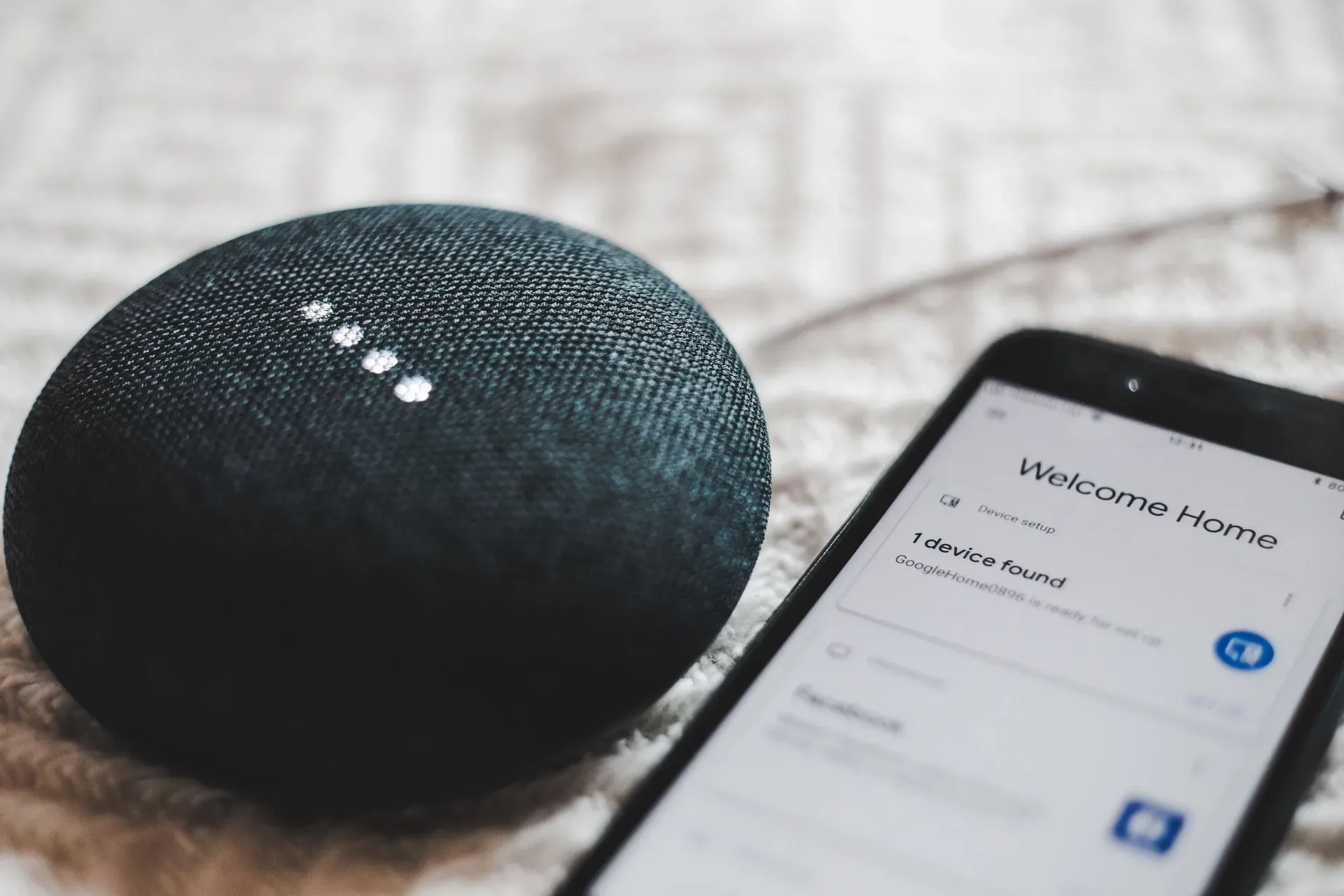
We’ve had AI for quite a while now, and while it may already be ubiquitous in our current technology (Alexa, anyone?), most of us are not really aware of how it can help us make our jobs easier. Some might even be worried that AI will take over our positions.
You don’t have to be scared of artificial intelligence. If anything, we should welcome it with open arms because it will allow us, humans, to take on higher positions. We’d be able to focus on creative tasks that require higher thinking rather than doing the mundane tasks that leave us brain dead at the end of the day.
Here are just some of the ways AI helps us humans work smarter:
1. AI automates
AI is able to perform manual and backbreaking tasks with little intervention from humans. This gets rid of most physical labor allowing for fewer accidents and fewer errors. Set it up once and leave it running to do the work by itself. Should it commit any mistakes, humans can tweak the algorithm, so it doesn’t run into the same error again.
The great thing about AI is that it never stays fixed. It’s continuously learning, which means it gets smarter every time. The more data you put into it, the faster it learns. So if you’d like to have an efficient AI system running in your company, constantly monitor it and make changes along the way until it’s able to perfectly execute the process.
2. AI performs tedious tasks
AI frees us, humans, from having to do repetitive tasks. What would take several persons to do in a month, it would only take a few minutes for AI. This saves not only a lot of time, but also brainpower. We can use higher thinking to solve complex problems that machines aren’t able to do.
Gone are the days of tedious labor. We can just leave AI to perform these manual tasks and then intervene later when a final decision is required. Take chatbots as an example. There are different chatbot examples for business. You’ve probably come across one yourself.
An AI-powered chatbot can work to automatically answer basic questions, and then when faced with a difficult question that’s not written in its code, it can then just direct the user to a human customer service representative who can provide a more comprehensive response.
The nature of customer service requires a human touch. But with the help of AI, it can streamline the process, allowing workers to handle only the most unique queries that have never been answered before.
3. AI makes less errors
A small error can quickly result in financial ruin. Entrepreneurs are often focused on the growth of their business, taking on projects that expand their reach. However, little thought is put into mitigating risks. As a result, when mistakes happen, businesses lose a lot because they were ill-prepared.
AI can help reduce risks for a business because it is less prone to making errors. Sure, it’s not perfect and will require human intervention every now and then. But because it saves a lot of time doing manual tasks, humans are able to focus on detecting areas of weakness, giving them enough time to fix the problem before it becomes a bigger issue.
AI has a level of precision and accuracy that we humans do not really have. Usually, businesses have to allow a significant room for human error. This costs a lot of money and requires a lot of trust in the business owner’s part. However, those two things don’t have to be compromised when you have AI by your side.
Have you seen AI in action in your workplace? How did it affect everyone’s workload? Share your thoughts in the comments below.



Share Your Thoughts