

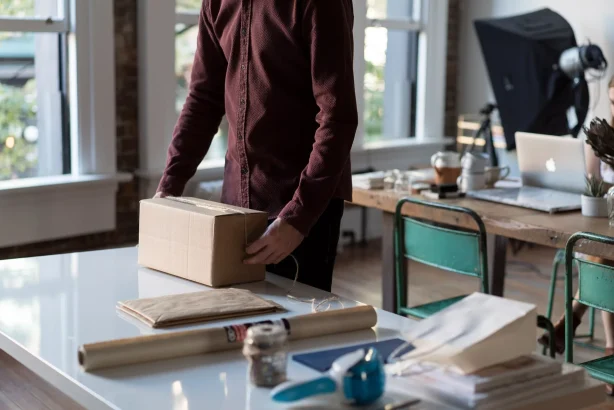
Packing is the part of moving that quietly decides how smooth (or stressful) the whole day turns out. Do it well and boxes arrive organized, labeled, and intact. Do it in a last-minute panic and you end up with a scratched TV, a shattered dinner set, and a passport you can’t find when you need it most. The single most useful decision you can make is knowing which items to pack yourself and which ones to hand to the professional movers. Getting that split right protects your valuables, saves you money, and keeps the truck moving on schedule.
This guide breaks the move into two clear lists — the things you should always pack and carry yourself, and the things you’re better off letting a trained crew handle — plus a simple system for labeling, a packing timeline, and answers to the questions people ask most.
The golden rule: irreplaceable stays with you, bulky and fragile goes to the pros
Before you tape a single box, keep one principle in mind. Anything that is impossible or expensive to replace — documents, jewelry, medication, sentimental keepsakes — should travel with you personally, not on the moving truck. Anything that is heavy, awkward, or genuinely fragile is where professional movers earn their fee, because they wrap, cushion, and load it far better than most of us can. Everyday items in the middle can go either way depending on your budget and how much time you have.
Things you should pack (and carry) yourself
These are the items that should never leave your side. They usually aren’t the most fragile things in your home, but losing them causes the biggest headaches. Keep them in a clearly marked “essentials” box or bag that rides in your own car, not in the truck.
1. Important documents
Passports, birth certificates, national ID cards, property deeds, wills, financial records, tax paperwork, insurance policies, and your new lease or mortgage documents all belong in one folder that you carry personally. If these get buried in an unlabeled box or lost in transit, replacing them can take weeks and a lot of paperwork. Consider keeping a digital backup too — scan the key documents and store them in encrypted cloud storage so you have a copy even if the originals go missing.
2. Jewelry, cash, and small valuables
Reputable moving companies won’t take responsibility for high-value items like jewelry, watches, cash, or collectibles — and many will explicitly ask you to remove them before packing. Small, valuable things are the easiest to misplace and the hardest to prove were ever in a box. Pack them yourself in a padded pouch or a small lockbox and keep them within reach the entire day.
3. Electronics, backups, and cables
Laptops, external drives, and any device holding data you can’t afford to lose should ride with you. Back everything up before moving day — a hard drive that gets jostled in a truck can fail without warning. Photograph the back of your TV, router, and PC before unplugging so you remember exactly which cable goes where, then bag and label the cords for each device. It turns a frustrating re-setup into a five-minute job at the new place.
4. Sentimental and irreplaceable items
Photo albums, family heirlooms, a child’s first artwork, letters, keepsakes — these have no price tag but are impossible to replace. Movers handle thousands of boxes and can’t know which one holds your grandmother’s ring. Pack these yourself, wrap them with care, and keep them in your personal vehicle so their safety never depends on someone else.
5. Medication and daily essentials
Prescription medicine, glasses, chargers, a change of clothes, toiletries, and basic tools should go in an “open first” box that stays with you. On moving day you won’t want to dig through a truck to find your medication or a phone charger. Packing a small survival kit for the first 24 hours in the new home saves you a stressful late-night search.
6. Books and heavy personal collections
Books are deceptively heavy, so pack them yourself in small boxes you can actually lift — a big box full of hardcovers becomes impossible to carry and prone to splitting at the bottom. Lay them flat or spine-down, keep each box under about 15 kg, and reinforce the base with extra tape. Doing this yourself also gives you a chance to sort and donate the ones you no longer need before they take up space in the new home.
Things you should let the movers pack
Professional packing services exist for a reason: trained crews cushion, wrap, secure, and load belongings far more safely than most homeowners can, and their work is usually covered by the company’s valuation or insurance. If you’re short on time, moving long distance, or dealing with genuinely delicate items, this is where their expertise pays for itself.
1. Fragile and breakable items
Glassware, china, mirrors, framed art, vases, and ceramics are the items most likely to arrive broken when packed by an amateur. Professional movers use specialized boxes, dividers, and double-boxing — wrapping a fragile piece, placing it in a small box, then cushioning that box inside a larger one — to absorb shocks. If something does break, having the movers pack it means the damage is their liability rather than yours. Whether you pack these or not, always label the box “FRAGILE” on every side.
2. Large, heavy, and awkward furniture
Sofas, wardrobes, dining tables, mattresses, and appliances are heavy, unwieldy, and easy to damage — or to hurt yourself with. Movers have furniture blankets, straps, dollies, and the technique to get a couch through a narrow doorway without gouging the wall. Trying to muscle these yourself risks injury and property damage that far outweighs any savings.
3. Items that need disassembly
Bed frames, modular shelving, exercise equipment, and flat-pack furniture often need to be taken apart to move safely. Professionals do this quickly, keep the screws and fittings bagged and taped to the piece they belong to, and reassemble at the other end. Do it yourself and you risk losing hardware or stripping a joint that never feels sturdy again.
4. The “I don’t know what to do with this” pile
Every home has odd items that don’t fit any category — a floor lamp, garden tools, a bulky musical instrument, kitchen appliances with loose parts. Rather than waste hours puzzling over them, let the movers handle the awkward miscellany. They pack this kind of thing every day and will box it far faster than you’ll manage on your own.
A simple labeling and box system that saves hours
Good labeling is what separates a chaotic unpacking from a calm one. Use this quick system regardless of who does the packing:
- Label by room, not just contents — write “KITCHEN” or “MASTER BEDROOM” on the top and two sides so the crew knows where each box goes without opening it.
- Mark fragile boxes clearly on every side, and note “THIS WAY UP” where orientation matters.
- Number your boxes and keep a short master list (e.g., “Box 12 — kitchen, small appliances”) so you can tell instantly if anything is missing.
- Pack an “OPEN FIRST” box with essentials — phone chargers, toiletries, a few dishes, bedding, and basic tools — so your first night is comfortable.
- Keep heavy items in small boxes and light items in big ones, so nothing is too heavy to lift or too loose to travel safely.
A stress-free packing timeline
Spreading the work over a few weeks beats a single exhausting weekend. A rough schedule that works for most moves:
- 3–4 weeks out: Declutter and donate. Pack rarely used items — off-season clothes, books, decor.
- 2 weeks out: Gather documents and valuables into your personal “carry-with-me” set. Book professional packing for fragile or bulky items if you’re using it.
- 1 week out: Pack everything except daily essentials. Confirm the moving date and access details with your company.
- Moving day: Keep your essentials box, documents, and valuables with you. Let the crew handle the heavy lifting and the fragile packing.
FAQs
Is it cheaper to pack yourself or hire movers to pack?
Packing yourself is almost always cheaper because professional packing is charged by the hour plus materials. The trade-off is time and risk: if you have fragile, valuable, or a large volume of belongings, paying the crew to pack often works out worthwhile because their work is faster and typically covered against damage. A common middle path is to pack the easy, non-fragile items yourself and pay the movers only for delicate or bulky pieces.
What will movers refuse to transport?
Most companies won’t move hazardous materials (paint, propane, fuel, fireworks, cleaning chemicals), perishable food, live plants on long-distance moves, or high-value items like cash and jewelry. Check your mover’s “non-allowable” list in advance and plan to transport those items yourself or dispose of them safely.
How do I protect fragile items if I pack them myself?
Wrap each piece individually in packing paper or bubble wrap, use dividers for glasses and stemware, and double-box the most delicate items with cushioning between the two boxes. Fill every empty gap so nothing shifts, keep fragile boxes lighter than others, and label them clearly on all sides.
Should I insure my belongings during the move?
For a local move, the mover’s basic valuation may be enough. For a long-distance move or when transporting expensive items, ask about full-value protection or separate moving insurance. Read what’s covered before signing — basic liability is often calculated by weight, which rarely reflects an item’s real value.
Final thoughts
Moving day runs smoothly when the responsibilities are split sensibly. Keep the irreplaceable — documents, valuables, medication, and sentimental items — with you, and let the professionals handle the fragile, heavy, and awkward work they’re trained for. Add clear labeling and a realistic timeline, and you turn one of life’s more stressful events into an organized, manageable one. Pack smart, and your belongings arrive at the new home exactly as they left the old one.





Share Your Thoughts